

The Savory Foundation: What Is Poha?
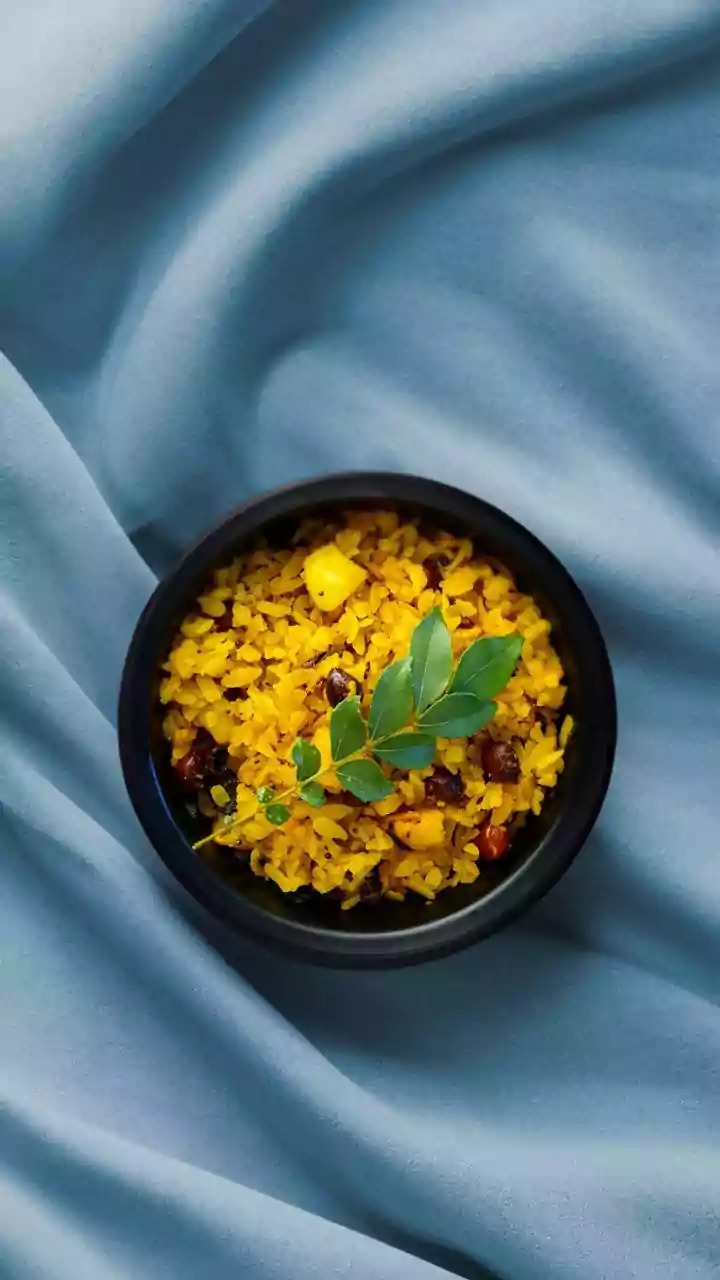
Before we get to the magic of the combination, let’s meet the main players. First up is poha. The word refers to flattened rice flakes, which are par-cooked, dried, and then pressed thin. Think of them as the lighter, quicker-cooking cousin of rolled
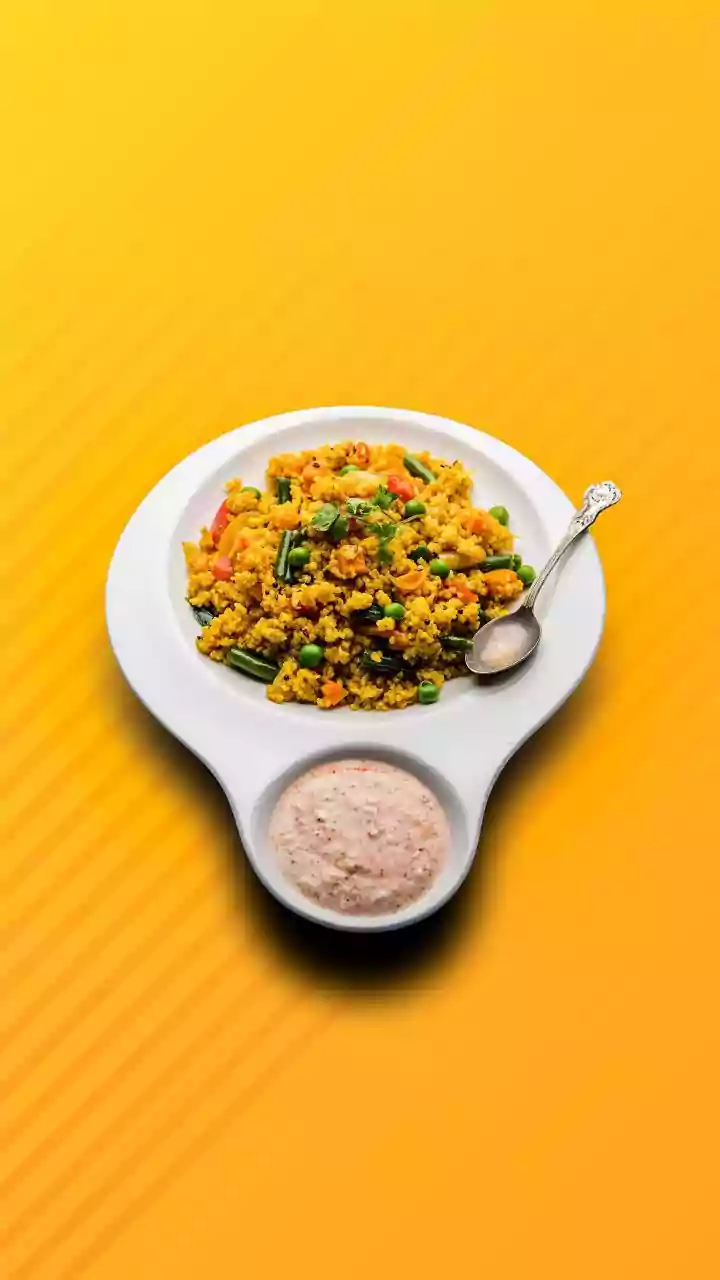
oats. When prepared as a dish, *kanda poha* (onion poha) is a breakfast staple across Western and Central India. The rice flakes are quickly rinsed, then tossed in a hot pan with sputtering mustard seeds, fragrant curry leaves, turmeric, and sautéed onions. Often, you'll find tender potatoes, crunchy peanuts, and a final flourish of fresh cilantro and a generous squeeze of lime juice. The result is a fluffy, bright yellow dish that’s savory, tangy, and incredibly light on the palate, yet substantial enough to start your day. It’s not heavy or greasy; it’s warm, aromatic, and satisfying in a way that feels genuinely wholesome.
The Sweet Counterpoint: Meet Jalebi
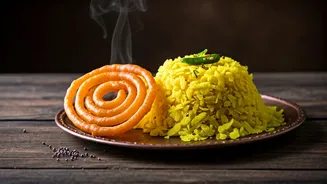
Now for the other side of the ticket: jalebi. If poha is the sensible, well-rounded partner, jalebi is the wild, decadent one. Instantly recognizable by its chaotic, bright orange spiral shape, jalebi is a sweet that commands attention. It’s made from a fermented batter of all-purpose flour that’s piped directly into hot oil, where it fries into a crispy, pretzel-like web. The moment it’s golden, it’s plunged into a warm syrup fragrant with saffron, cardamom, and sometimes a hint of rose water. The magic of a good jalebi is its dual texture: a shatteringly crisp exterior that gives way to a slightly chewy, syrup-soaked interior. It’s pure, unadulterated sweetness, an unapologetic sugar rush designed for maximum delight. Eaten alone, it's a beloved dessert or festival treat. But as a breakfast item? That’s where things get interesting.
The Magic Is In The Mix
Combining a savory rice dish with what is essentially a fried, syrup-drenched sweet might sound strange to the uninitiated. But for millions in India, it’s breakfast perfection. This isn't just about having two separate items on one plate; they are meant to be eaten together, often in the same bite. Take a spoonful of the fluffy, tangy poha and top it with a small piece of the crispy, sweet jalebi. The explosion of flavors and textures is the whole point. The intense sweetness of the jalebi cuts through the savory, spicy, and sour notes of the poha. The crispness of the fried sweet contrasts beautifully with the soft, fluffy rice flakes and the crunch of the peanuts. It’s a complete sensory experience that hits every note on your palate. If you appreciate the American alchemy of chicken and waffles or salted caramel, you're already primed to understand this logic. Poha-Jalebi just takes that sweet-and-savory principle and dials it up to eleven.
A Taste of Indore's Streets
While enjoyed in many places, the undisputed home of Poha-Jalebi is Indore, a city in the state of Madhya Pradesh often hailed as India's street food capital. Here, it’s not just a meal; it's a morning ritual. At dawn, the city's food lanes come alive with vendors setting up their massive pans. The air fills with the sizzle of onions and the sweet aroma of frying jalebi. Locals, from office workers to students, gather for their daily fix, standing shoulder-to-shoulder at pushcarts. This isn’t a new, trendy fusion—it’s a time-honored tradition. It’s a breakfast born from the idea that the first meal of the day should be quick, affordable, and, most importantly, delicious. This is the “original flex.” It’s a breakfast combination so confident in its chaotic harmony that it needs no justification. It’s a testament to a food culture that values flavor, texture, and pure, unadulterated joy above all else.