



Why Your Brain Craves Zing
Think about the last time you bit into a lemon wedge or tasted a sharp vinaigrette. That mouth-puckering, eye-wincing sensation is your body’s response to acid. This reaction isn't just for show; it triggers a crucial physiological response: salivation.
On a hot, sticky day when you feel dehydrated and sluggish, a rush of saliva can make your mouth feel instantly cleaner, more hydrated, and refreshed. This is a primary reason why tangy foods feel so appealing when it's warm. They literally wake up your palate. Furthermore, acidity has the culinary magic of 'cutting through' richness and fat. A heavy, greasy dish can feel overwhelming in the heat, but a splash of acid can lighten the entire experience, making the food seem less dense and easier to digest. It’s the food equivalent of a cool breeze on a humid day.
A Global Heat-Beating Tradition
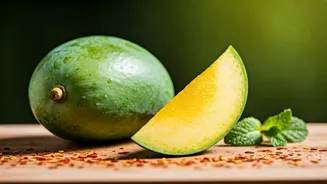
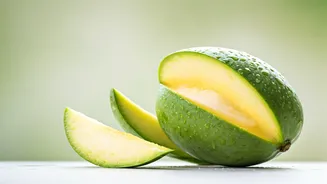
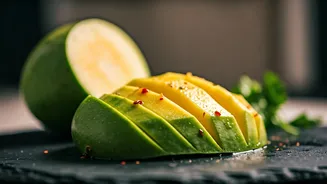
This isn't a new-age food trend; it's ancient wisdom, practiced in the world's hottest climates for centuries. Look at the cuisines that thrive near the equator. In Mexico and Peru, citrus-cured ceviche is a staple, using the power of lime juice to 'cook' fresh fish without heat. In Southeast Asia, think of Vietnamese noodle salads bursting with lime and rice vinegar, or Thai green mango salads that offer a sour, spicy crunch. In India, cool, yogurt-based raitas and tangy tamarind chutneys are served alongside spicy dishes to provide balance and refreshment. Even in the American South, slow-smoked barbecue is often paired with a sharp, vinegar-based slaw or sauce that cuts the richness of the meat. These cultures didn't need modern science to tell them what worked; they discovered through generations of experience that a tangy counterpoint makes eating in the heat a pleasure, not a chore.
Building Your Tangy Toolkit
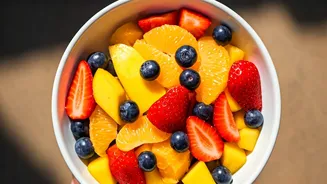
Integrating this concept into your own summer cooking is simple, and you likely already have most of what you need. Your kitchen's tangy arsenal can be broken down into a few key categories. First, there’s citrus. Lemons and limes are the obvious all-stars, perfect for squeezing over grilled fish, chicken, or vegetables. But don't forget grapefruits and oranges for salads and marinades. Next up are vinegars. A well-stocked pantry should have a few. Rice vinegar is mild and great for Asian-inspired dressings. Apple cider vinegar gives a rustic punch to slaws and marinades. Red wine and white wine vinegars are perfect for classic vinaigrettes, while balsamic offers a sweeter complexity. Fermented dairy is another powerhouse. Plain yogurt, Greek yogurt, kefir, and buttermilk can be used to create cooling dressings, dips, and marinades that bring a gentle tang. Finally, explore global ingredients like tamarind paste for a sweet-sour depth in sauces or sumac, a Middle Eastern spice with a bright, lemony flavor that’s perfect for sprinkling on just about anything.
Simple Swaps for a Zestier Summer
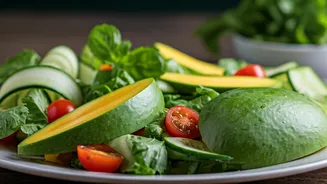
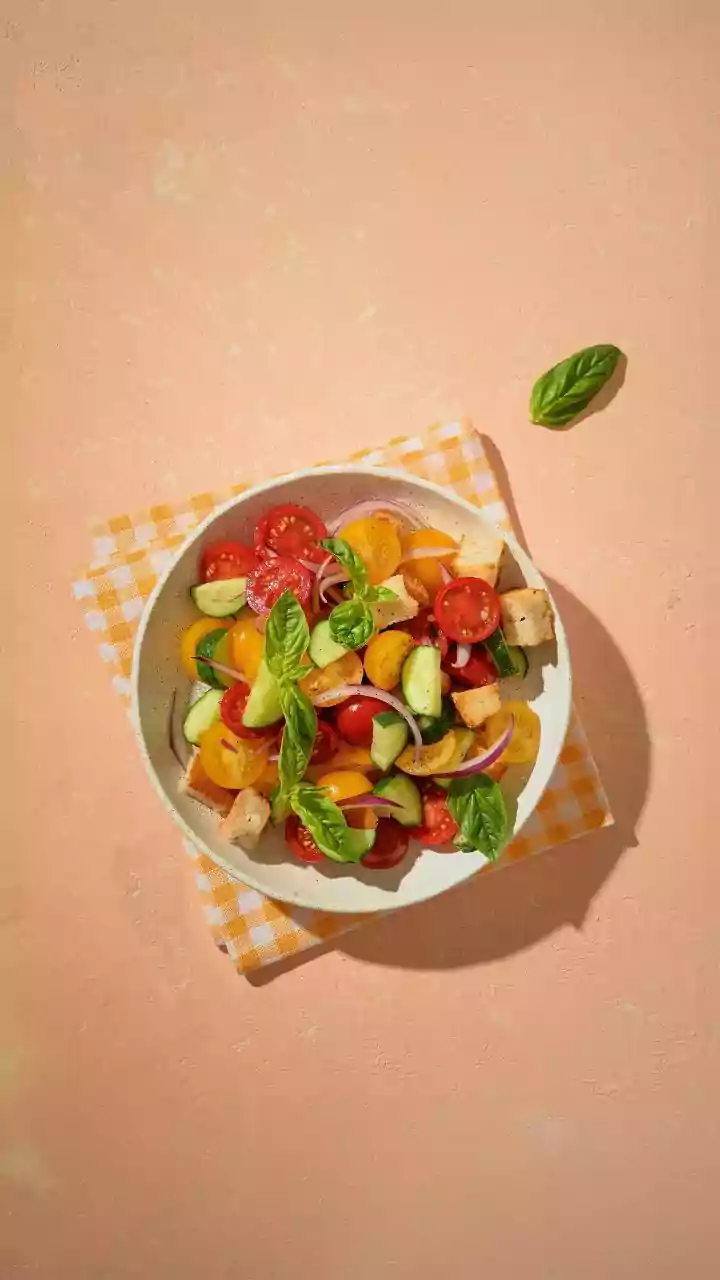
You don't need to overhaul your entire menu to feel the benefits. Start with small, easy additions. Instead of a creamy, mayo-based dressing on your potato salad, try a German-style version with a vinegar-and-mustard base. When grilling burgers, skip the heavy cheese and opt for a pile of quick-pickled red onions for a bright, acidic crunch. A simple tomato salad transforms from good to great with just a drizzle of good vinegar, salt, and pepper. Even your drinks can get in on the action. A 'shrub,' or drinking vinegar, is a classic American concoction of fruit, sugar, and vinegar that creates a refreshing, complex base for sodas or cocktails. By embracing the pucker, you’re not just adding flavor; you’re making your food work for you, providing a delicious antidote to the dog days of summer.