


The Allure of the Rainy-Day Feast
While the term “monsoon snacking” has its roots in South Asia—where the rainy season is a celebrated cultural event often accompanied by hot, crispy pakoras (fritters), savory samosas, and steaming cups of spiced chai—the phenomenon is global. For Americans,
it’s the stormy afternoon that demands a bowl of mac and cheese, the chilly evening that calls for a grilled cheese sandwich, or the weekend movie marathon fueled by a bag of salty chips. These foods are deeply tied to feelings of comfort, nostalgia, and security. They’re a sensory hug, a delicious shield against the dreary weather outside. The problem isn’t the desire for comfort; it’s that our go-to comfort foods are often a perfect storm for digestive distress.
The Science Behind the Bloat
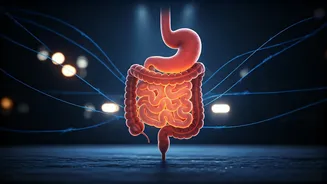
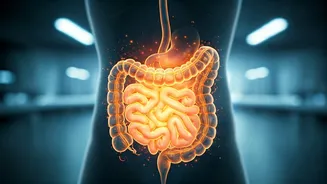
So, why does that plate of deliciousness so often lead to a feeling of being unpleasantly over-inflated? It comes down to a few key culprits. First, salt. Many classic comfort snacks are loaded with sodium, which causes your body to retain water. This water retention is a primary cause of feeling puffy and bloated. Second, fat. Deep-fried foods, while incredibly satisfying, are hard for your digestive system to break down. They sit in your stomach longer, which can lead to that heavy, leaden feeling. Third, certain carbohydrates and sugars can ferment in your gut, producing gas that contributes to bloating and discomfort. Finally, carbonated drinks and even the act of talking while eating can cause you to swallow excess air, which has to go somewhere—usually your digestive tract.
Smarter Swaps for Happy Snacking
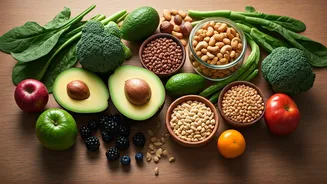
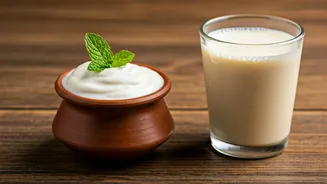
You don't have to give up your rainy-day ritual. A few mindful adjustments can make a world of difference. Instead of deep-frying, try baking or air-frying. A batch of oven-baked sweet potato fries with a sprinkle of paprika can be just as satisfying as their deep-fried cousins, but with a fraction of the hard-to-digest oil. If you’re making a creamy dip, swap out heavy sour cream for Greek yogurt, which offers a similar tang along with gut-friendly probiotics. Look for low-sodium versions of your favorite chips and crackers. And instead of a sugary soda, try brewing a pot of herbal tea. Peppermint, ginger, and fennel teas are renowned for their digestive-soothing properties and can actively help prevent bloating.
It's Not Just What You Eat, but How
Your eating habits play a massive role in digestion. In our rush to enjoy our favorite comfort foods, we often eat too quickly, barely chewing. This forces your stomach to work overtime to break down large food particles. The simple act of slowing down, putting your fork down between bites, and chewing each mouthful thoroughly gives your digestive enzymes a head start and significantly reduces the likelihood of gas and bloating. Pay attention to portion sizes. It’s easy to eat an entire bag of chips while distracted by a movie, but serving yourself a reasonable portion in a bowl helps you stay mindful of how much you’re consuming. Eating with intention allows you to savor the food more and recognize when you’re comfortably full, not painfully stuffed.
Your Post-Snack Recovery Plan
Even with the best intentions, you might occasionally overdo it. The key is to have a gentle recovery strategy. The most important tool is water. It might seem counterintuitive to drink more water when you feel like you’re retaining it, but proper hydration helps flush excess sodium out of your system, which is a major cause of bloating. Continue sipping on those soothing herbal teas like peppermint or chamomile. A gentle walk, even just around your living room, can also help stimulate digestion and move trapped gas through your system. Avoid lying down immediately after a big snack, as this can worsen heartburn and slow digestion. A little light movement and plenty of fluids will help your body reset and get you feeling comfortable again.