
The King: Alphonso (Hapoos)
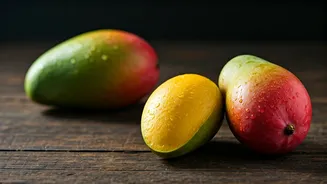
If Indian mangoes had a king, it would be the Alphonso. Grown primarily in the western states of Maharashtra and Gujarat, this is the variety that sparks international fervor. Known as 'Hapoos' locally, the Alphonso is a masterpiece of balance. It's not
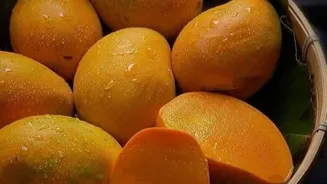
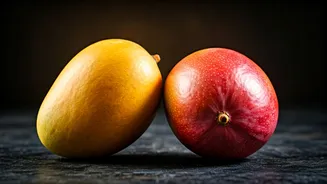
just sweet; it has a complex, almost perfumed aroma with rich, creamy, non-fibrous flesh that melts in your mouth. Its skin is a tell-tale golden-yellow with a tinge of red. The season is frustratingly short, from April to early June, making its arrival an annual event. Because of its incredible flavor and texture, it’s often eaten plain, savored slice by slice, but it also commands a high price, making it a prized gift.
The Queen of Gujarat: Kesar
Often called the 'Queen of Mangoes,' the Kesar variety from the foothills of Girnar in Gujarat gives the Alphonso a run for its money. Its name, which means 'saffron,' refers to its vibrant saffron-colored pulp. While the Alphonso is prized for its creamy texture, the Kesar is celebrated for its intense, honeyed sweetness and distinct aroma. It's less expensive than the Alphonso and is the go-to mango for making 'aamras,' a thick, heavenly mango pulp that's a staple dessert in western India. Its skin is greener than an Alphonso's, even when ripe, with a golden-yellow blush. If you love a purely sweet mango experience, the Kesar is your holy grail.
The Languid One: Langra
Hailing from the region around Varanasi in northern India, the Langra has a name that translates to 'lame,' supposedly after a lame farmer who first cultivated the variety. Don't let the name fool you; this mango is a superstar. It remains distinctly green even when fully ripe, which can confuse the uninitiated. The flavor is where it truly shines: a perfect blend of sweet and tart, with a slightly fibrous texture that gives it a pleasant chew. It has a unique, sharp aroma that you can smell from across a room. For those who find other mangoes overwhelmingly sweet, the Langra’s tangy kick is a welcome and addictive surprise.
The Courtly Delight: Dasheri
Originating from a village near Lucknow, a city famous for its royal history, the Dasheri is an aristocratic mango. It's a long, slender fruit with a golden-yellow skin and an incredibly sweet, fiberless pulp. The flavor is pure candy-like sweetness with peachy, aromatic undertones. This is the mango of North Indian summers, eaten in abundance and used in everything from milkshakes to chutneys. Its history is traced back to a single 200-year-old mother tree that still stands and produces fruit. The Dasheri is less about complex notes and more about delivering a straightforward, blissful dose of mango sweetness.
The Southern Gem: Banganapalli
Coming from the southern state of Andhra Pradesh, the Banganapalli (or Benishan) is one of the earliest varieties to hit the market each year. It’s a large, oblong mango with a beautiful, unblemished bright yellow skin. Its defining characteristic is a very thin skin and a surprisingly mild, sweet flavor with just a hint of tang. The flesh is firm and fiberless, making it great for slicing into salads or eating on its own. It's less intensely fragrant than its northern counterparts, but its pleasant sweetness and large size make it a widely popular commercial variety across India.
The Grand Finale: Chaunsa
Just when you think mango season is over, the Chaunsa arrives in late summer to give everyone a final, glorious taste. Grown in the northern states of Uttar Pradesh and Bihar, this is considered by many connoisseurs to be the pinnacle of mango flavor. It has a uniformly golden-yellow skin and an intoxicatingly sweet aroma. The pulp is incredibly juicy and soft, with a rich, profound sweetness that has almost no acidic notes. It's a mango you're meant to eat by simply squeezing the fruit until the pulp liquefies inside, then tearing off the tip and drinking the nectar. It’s the perfect, decadent farewell to the season.