







Wait, Isn't India Already Vegetarian?
First, let's clear up a common misconception. While India has the highest rate of vegetarianism in the world, the majority of its population does eat meat. Government surveys suggest somewhere between 20-30% of Indians are strictly vegetarian. The rest
are flexitarians or regular meat-eaters, consuming chicken, mutton, and fish, though often in smaller quantities than in the West. This reality creates a massive market for plant-based alternatives, not just for dedicated vegetarians, but for the huge number of people who eat meat but are open to reducing their consumption for cultural, health, or financial reasons. So, the new trend isn't about converting a nation of carnivores overnight; it's about appealing to a populace already comfortable with plant-forward meals and looking for modern, convenient options.
The New Wave: Beyond Dal and Paneer
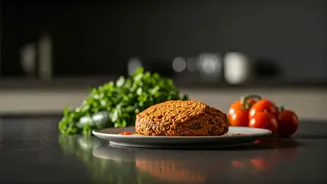
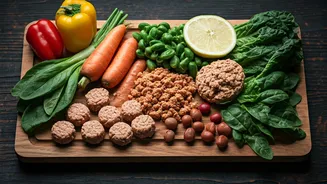
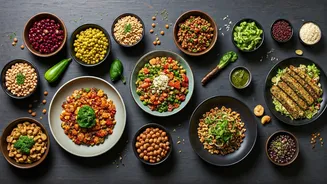
Traditional Indian vegetarianism is a culinary universe of its own, built on lentils (dal), vegetables (sabzi), and fresh cheese (paneer). The new “plant-based” movement is something different. It’s driven by technology and global wellness trends, focusing on creating convincing mimics of meat and dairy products. Think plant-based chicken tikka, vegan kebabs made from jackfruit, and burgers that 'bleed' beetroot juice. Startups like Shaka Harry, Blue Tribe Foods, and GoodDot are at the forefront, using proteins from peas, soy, and other plants to craft products that deliver the texture and taste of meat. This isn't your grandmother's lentil soup; it's a direct appeal to a younger, urban generation accustomed to global food trends and seeking novelty and convenience.
Who's Driving This Change?
The engine of this movement is India’s burgeoning urban middle class, particularly millennials and Gen Z. For them, the motivations are threefold. First, health is a major driver. Concerns about cholesterol, antibiotics in poultry, and general wellness are pushing consumers to seek cleaner labels. Second, environmental consciousness is growing. Younger Indians are increasingly aware of the carbon footprint of industrial animal agriculture and see plant-based eating as a sustainable choice. Finally, there's the 'cool' factor. In cities like Mumbai, Delhi, and Bangalore, vegan cafes are trendy, and ordering a plant-based burger is a status symbol, signaling a modern, globally-aware lifestyle. It's less about religious doctrine and more about a personal identity rooted in health and ethics.
A Challenge to the Dominance of Dairy
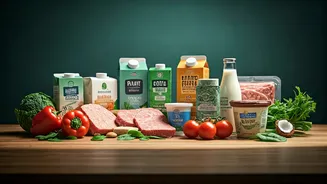
Perhaps the most radical aspect of this trend is its challenge to dairy, a cornerstone of the Indian diet and economy. Traditional vegetarianism in India is lacto-vegetarian, meaning milk, ghee (clarified butter), yogurt (dahi), and paneer are not just permitted but central to the cuisine. The new movement, however, often leans fully vegan. This shift directly confronts centuries of culinary tradition and a powerful dairy industry that's one of the largest in the world. As a result, a parallel industry for plant-based milks (oat, almond, soy) and vegan ghee is emerging. This isn't just a dietary tweak; it represents a significant cultural and economic disruption, questioning an ingredient many consider inseparable from Indian food itself.