

From Indulgence to Ingredient-Led
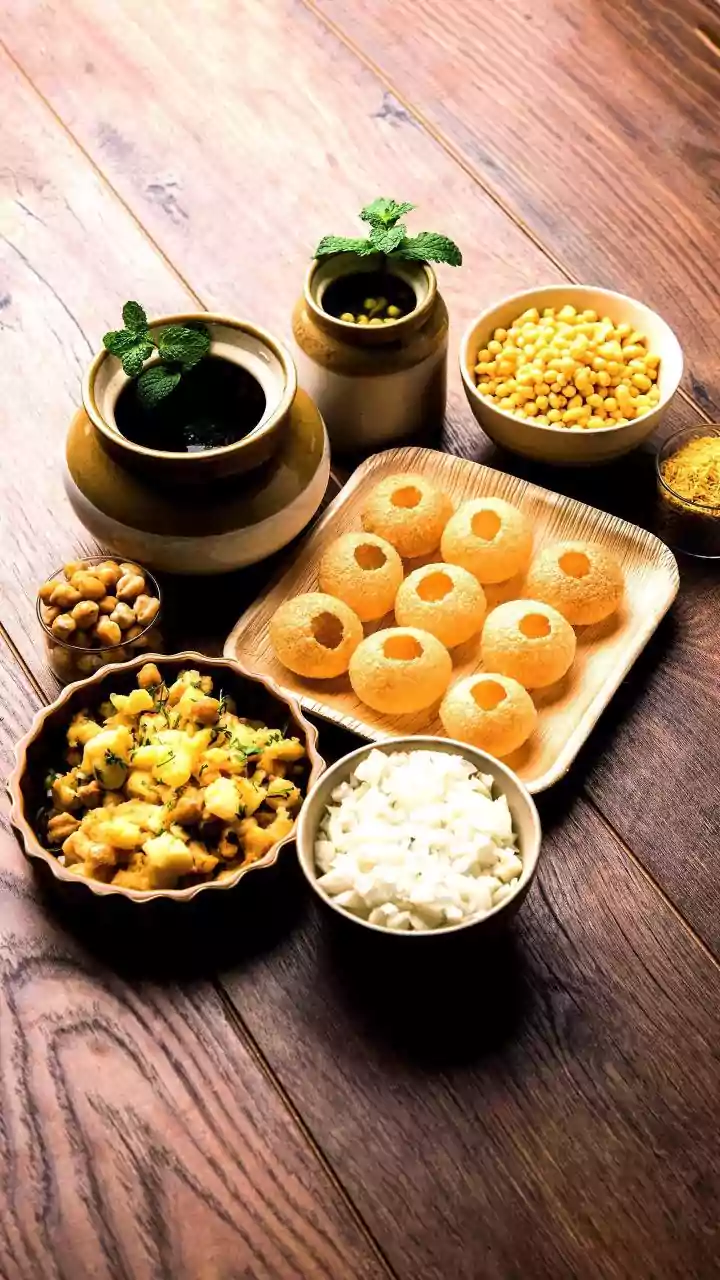
For generations, the Indian snack plate—often called *chaat* or *namkeen*—has been a celebration of flavor and texture, frequently involving fried doughs, savory lentil mixes, and rich chutneys. It’s the kind of food you eat for pure pleasure. But a seismic
shift is underway, driven by a new generation of health-conscious consumers. The focus is moving from simple indulgence to ingredient-led nutrition. Enter the “functional food”: a product that offers benefits beyond basic calories, protein, and carbs. Think snacks engineered not just to satisfy hunger, but to boost immunity, reduce stress, or improve gut health. This isn't about slapping a “low-fat” label on a potato chip. It's a fundamental reimagining of what a snack can and should do for your body, moving it from a guilty pleasure to a proactive part of a wellness routine.
Ancient Wisdom in a Modern Wrapper
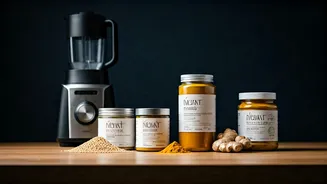
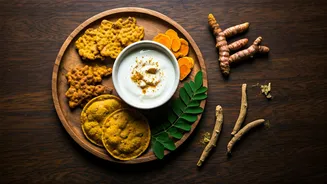
What makes this trend distinctly Indian is its deep connection to Ayurveda, the subcontinent’s ancient system of medicine. While Americans are just getting acquainted with turmeric lattes and ashwagandha supplements, these ingredients have been staples in Indian households for centuries. Turmeric (*haldi*) is prized for its anti-inflammatory properties, ashwagandha is a renowned adaptogen used to combat stress, and moringa is a nutrient-dense superfood. Now, Indian entrepreneurs are taking this culinary pharmacy and packaging it for the 21st-century consumer. They are infusing these powerful herbs, roots, and botanicals into snacks that are convenient, shelf-stable, and delicious. It’s a brilliant fusion of past and present: the wisdom of grandmothers’ remedies delivered in a format that fits a busy, urban lifestyle.
The New Face of Snacking
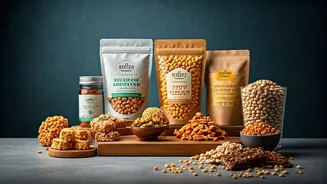
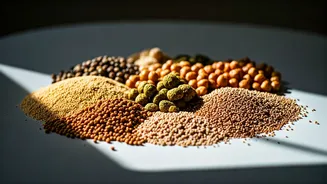
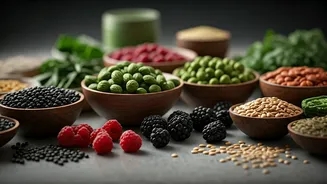
So what do these snacks actually look like? Picture this: instead of a greasy potato chip, you might find baked crisps made from lentils or quinoa, seasoned with amla (Indian gooseberry), a fruit packed with Vitamin C. Traditional sugary energy balls known as *laddus* are being reinvented with dates, nuts, and seeds, free of refined sugar and fortified with protein powder or moringa. You’ll see snack bars made with millet, a hardy and nutritious ancient grain, flavored with cardamom and infused with brahmi, an herb thought to enhance cognitive function. Fox nuts (*makhana*), a low-calorie puffed seed, are roasted and dusted with turmeric and black pepper instead of being fried. These products aren't just health food store novelties; they are appearing in mainstream grocery stores and online, competing directly with legacy snack brands.
Why Now? A Hunger for Health
Several factors are fueling this functional food boom. India’s rapidly growing middle class has more disposable income and greater access to information about health and wellness. Urbanization has changed eating habits, creating a demand for on-the-go options that don't compromise on nutrition. Furthermore, the global pandemic significantly heightened awareness around immunity. Suddenly, consumers weren’t just looking for tasty snacks; they were actively seeking out foods that could help them stay healthy. This created the perfect storm for startups and established companies alike to innovate, leveraging India’s rich biodiversity and traditional knowledge to create products that resonate deeply with a population looking to modernize without losing its roots.