



Go Beyond the Weekend Market
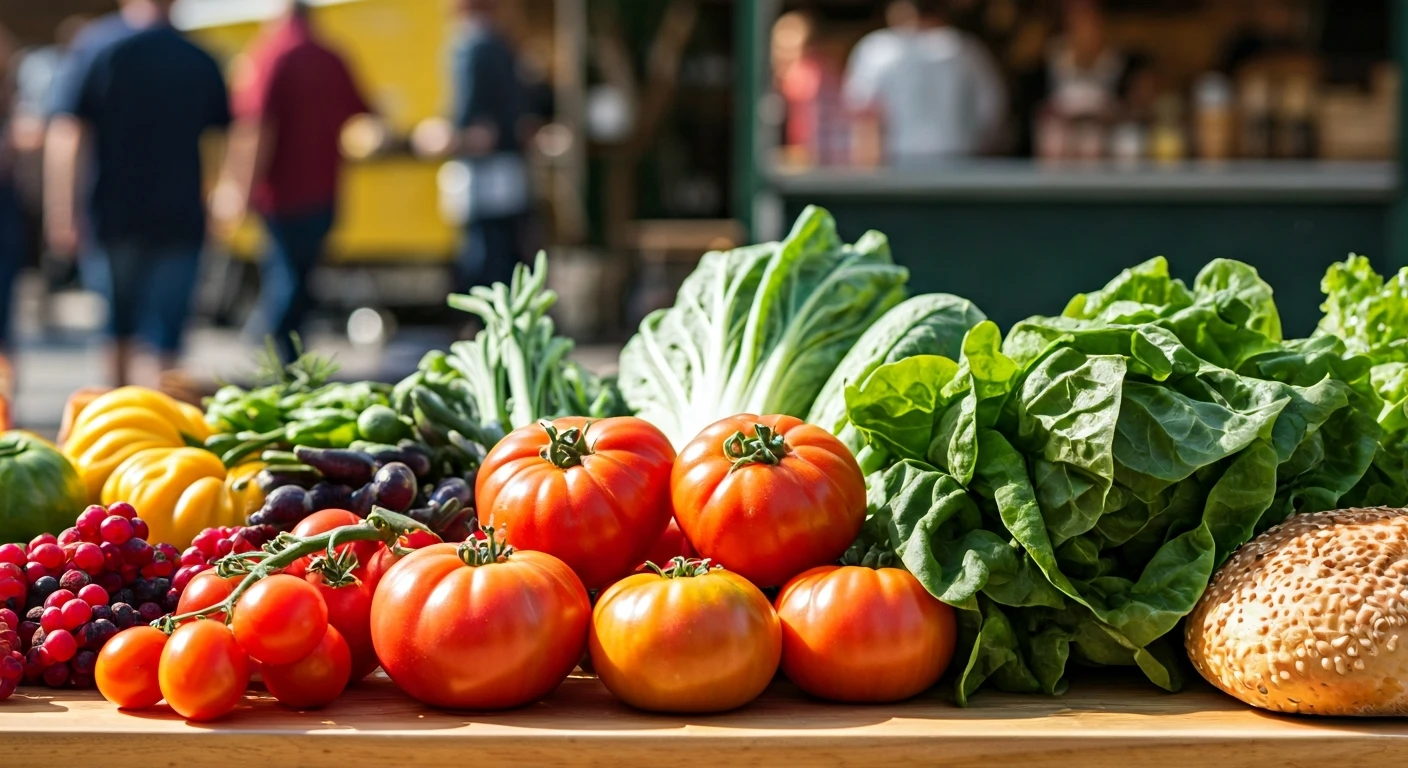
For many, “eating local” conjures images of a Saturday morning stroll through a farmers market, and while these markets are fantastic hubs for community and fresh produce, they represent just one piece of a much larger puzzle. The modern local food ecosystem
has expanded far beyond this weekend model. It now includes a diverse network of producers, distributors, and retailers creating year-round access to staples that form the backbone of a sustainable diet—not just seasonal treats. Thinking beyond the market opens up a world of possibilities, from sourcing your flour from a regional mill to joining a meat share from a nearby regenerative farm. This new infrastructure is designed for convenience and consistency, helping you integrate sustainable choices into your daily routine, not just your weekend.
Explore the Modern CSA
Community Supported Agriculture (CSA) programs, where consumers buy a “share” of a farm’s harvest, are no longer a one-size-fits-all commitment. Gone are the days of receiving a box of unfamiliar vegetables you have no idea how to cook. Today’s CSAs are remarkably flexible. Many now operate on a credit-based system, allowing you to choose what you want each week from an online portal, just like a virtual grocery store. You can select your favorite greens, stock up on potatoes, and skip the kohlrabi if it’s not your thing. Some CSAs partner with other local producers to offer add-ons like eggs, bread, cheese, and even meat, creating a one-stop shop for your weekly groceries. This evolution transforms the CSA from a rigid subscription into a personalized, convenient service that directly supports local farmers and reduces food miles.
Rediscover Local Grains and Flours
For decades, staple ingredients like flour and cornmeal were almost exclusively the domain of national megabrands. But a growing “local grain economy” is changing that. Small-scale farmers are cultivating heirloom and climate-adapted varieties of wheat, rye, corn, and barley, and regional mills are sprouting up to process them. This movement does more than just shorten the supply chain; it reintroduces biodiversity and flavor into our pantries. Breads made from freshly milled local flour have a richer taste and nutritional profile. Cornbread from heritage corn grits offers a depth you won't find in a cardboard box. Seeking out these local grains supports farmers practicing crop rotation—a key tenet of regenerative agriculture that improves soil health and reduces the need for chemical inputs. Check for local brands at your co-op, farmers market, or online.
Lean on Your Local Co-op
Food cooperatives are member-owned grocery stores that have long been champions of the local food movement. Because they are owned by the community they serve, their mission often prioritizes local sourcing and sustainable practices over pure profit maximization. A co-op is often the best place to find a curated selection of everything your region has to offer in one place. Their buyers have deep relationships with area farms and producers, allowing them to stock not only fresh produce but also local dairy, meat, honey, and value-added goods like sauces and ferments. Many also feature bulk bins for staples like oats, beans, and nuts, allowing you to buy exactly what you need and dramatically reduce packaging waste—a simple but powerful step in a sustainable diet.
Rethink Your Protein Sources
Sustainable eating isn't just about plants. For those who include meat, dairy, and eggs in their diet, local options provide a transparent and environmentally conscious alternative to industrial agriculture. Many small, local farms raise their animals on pasture using regenerative grazing practices, which can sequester carbon in the soil and improve the ecosystem. You can often buy directly from the farm, join a meat CSA, or find their products at a farmers market. This direct connection means you know exactly how the animals were raised. Beyond meat, look for local egg producers who allow their chickens to forage outdoors and local creameries crafting cheese from regional milk. These choices support humane animal husbandry and a more resilient, less centralized food system.