




1. Serious Waterproofing for Everything
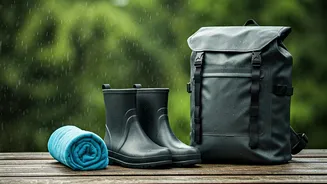
A simple rain jacket won't cut it when you’re facing hours of torrential downpour. You need a two-pronged approach: protecting yourself and protecting your gear. For yourself, invest in a high-quality, seam-sealed rain shell and waterproof pants. For your belongings,
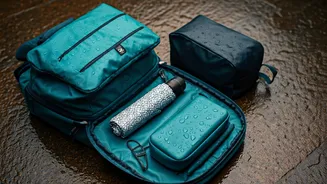
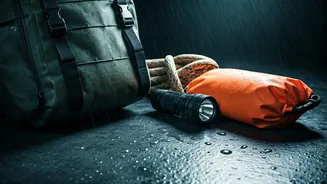
a standard backpack cover is just the start. The real game-changer is a set of internal dry bags. Use them to compartmentalize and seal everything you cannot afford to get wet: your passport and documents, your phone, camera, and a spare set of dry clothes. In a true deluge or a capsized boat, a floating dry bag can literally save your most critical possessions.
2. A Reliable, Non-Phone Light Source
Monsoons and power grids are not friends. Heavy rains and winds frequently cause blackouts that can last for hours or even days, plunging entire towns into darkness. Relying on your phone’s flashlight is a rookie mistake; it drains your battery, which is your primary communication lifeline. Pack a dedicated headlamp. It keeps your hands free, allowing you to navigate a dark hotel room, sort through your bag, or walk on an unlit path safely. Choose an LED model with a long battery life, and pack at least one set of extra batteries. A small, shake-to-charge or hand-crank flashlight is also a brilliant, fail-safe backup.
3. A Personal Water Filter or Purifier
During heavy flooding, municipal water supplies can become contaminated with runoff, sewage, and agricultural chemicals, making tap water unsafe to drink. Even bottled water can become scarce if roads are cut off. A personal water filter (like a Lifestraw or Sawyer Squeeze) or a purification device (like a SteriPen, which uses UV light) is non-negotiable. It allows you to safely drink from questionable taps or even natural water sources in an emergency. This single piece of gear protects you from debilitating waterborne illnesses like giardia and cholera, which can ruin a trip and pose a serious health risk.
4. A Monsoon-Ready First-Aid Kit
Your standard kit of a few bandages and aspirin isn't enough. Humid, wet conditions are a breeding ground for bacteria, meaning small cuts and scrapes can get infected quickly. Your monsoon kit should be heavy on antiseptic wipes, waterproof bandages, and antibiotic ointment. Include blister treatments for waterlogged feet, anti-fungal cream, and a generous supply of insect repellent with DEET to ward off mosquitoes carrying dengue or malaria, which are more prevalent in the wet season. Also pack rehydration salts (like Pedialyte powder) to combat dehydration from illness or excessive sweating.
5. A Robust Power Bank and Offline Maps
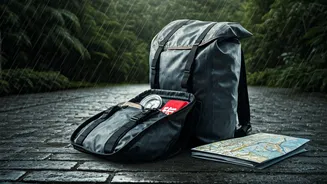
When the power is out and you're stuck in your guesthouse, your phone becomes your link to the outside world—and your primary source of information. A high-capacity power bank (at least 10,000mAh) will let you recharge your phone several times over. Before you even leave home, download offline maps of the entire region you'll be visiting on Google Maps or an app like Maps.me. Cellular service can be unreliable during intense storms. With offline maps, your phone's GPS can still pinpoint your location, allowing you to navigate even when you have no signal.
6. Footwear That Drains, Not Drowns
Waterproof hiking boots sound like a great idea, but they have a fatal flaw: once water gets in over the top—which it will—they become buckets strapped to your feet. They take days to dry and can lead to blisters and foot rot. The smarter choice is quick-drying, non-leather footwear. Think amphibious hiking sandals (like those from Keen or Chaco) or trail running shoes with mesh uppers that are designed to drain water quickly. They may not keep your feet dry, but they will dry out overnight and provide the grip you need on slippery, muddy, or flooded streets, protecting you from unseen hazards under the water.