






Why Bamboo is Your Rainy Day Hero
Before we get to styling, let's talk about why bamboo is the perfect material for this job. Unlike some traditional hardwoods that can swell, warp, or even grow mildew in high humidity, bamboo is naturally less porous and more resistant to moisture. This
is because it’s technically a type of grass, not wood, and it grows in tropical climates where humidity is a constant. Its natural resilience means it holds its shape and integrity, making it ideal for homes in rainy regions like the Pacific Northwest or the humid Southeast. Furthermore, bamboo is a rapidly renewable resource, growing much faster than trees, which adds a layer of sustainable appeal to its practical benefits. Choosing bamboo isn't just a style choice; it's a smart, durable investment against dampness.
Swap Heavy Drapes for Bamboo Blinds
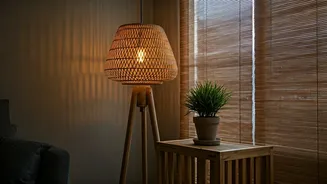
Heavy fabric curtains are notorious for trapping moisture, dust, and musty smells, making a gloomy room feel even more oppressive. The single most impactful change you can make is swapping them for bamboo blinds or woven shades. Their semi-porous nature allows you to maximize whatever natural light is available, diffusing it softly into the room instead of blocking it completely. Even when closed for privacy, the light, natural tones of the bamboo reflect ambient light, preventing the cave-like feeling of blackout curtains. Look for cordless roll-up or Roman-style shades. They provide a clean, organic texture that feels airy and light, immediately lifting the visual weight of your window areas.
Glow Up with Woven Lighting Fixtures
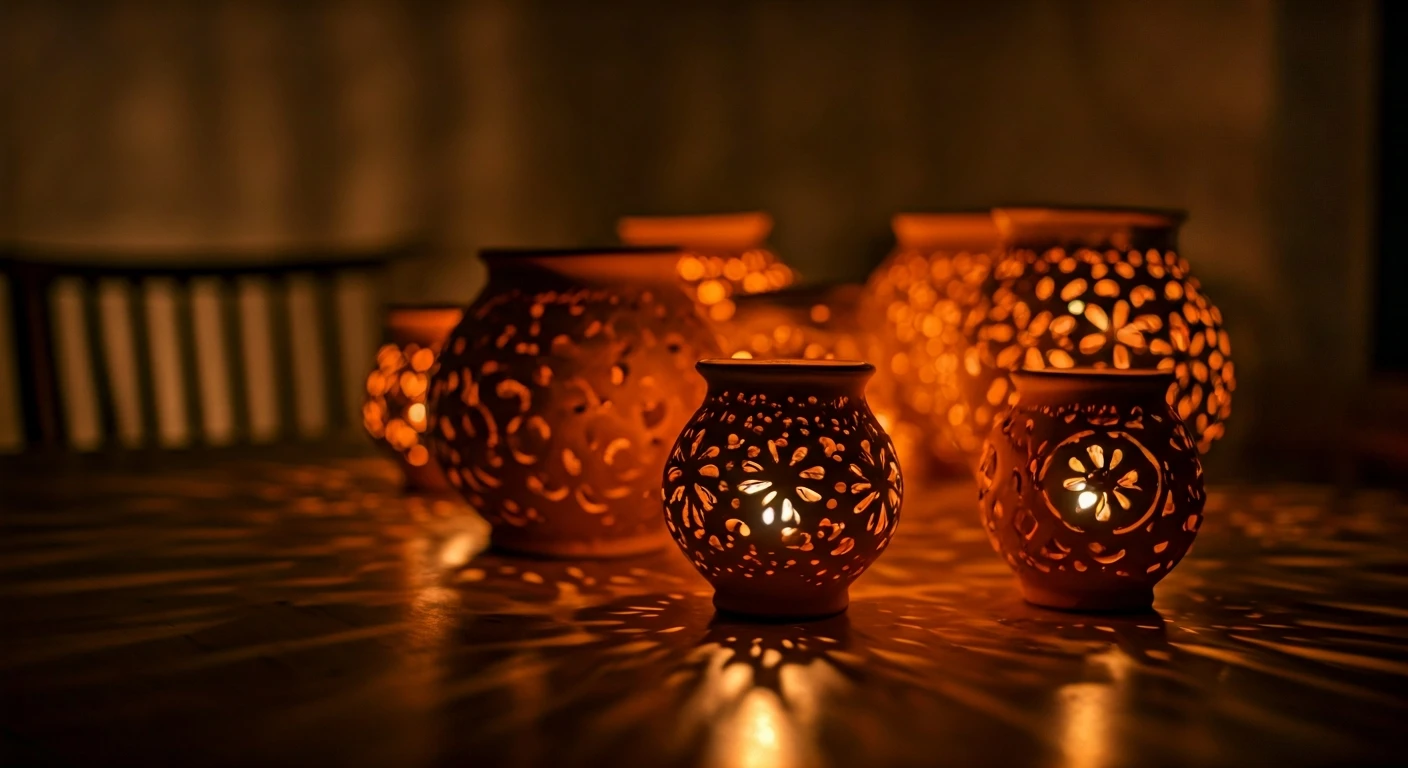
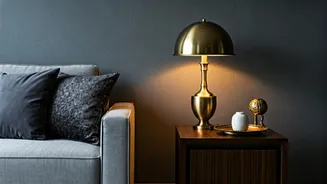
Fighting gloom requires a smart lighting strategy, and bamboo fixtures excel here. A large, woven bamboo pendant light over a seating area or coffee table becomes an instant focal point. The open weave of the shade casts beautiful, patterned light and shadows, creating a warm, inviting glow that feels cozier than the harsh glare from a single exposed bulb. This diffused light is key to making a space feel soft and welcoming on a dark day. Don’t stop at ceiling fixtures. Bamboo table lamps and floor lamps add layers of light at different heights, making the room feel more dynamic and thoughtfully designed. The natural texture of the bamboo itself, even when the light is off, adds a touch of warmth and breaks up the monotony of flat, painted walls.
Anchor the Room with Airy Furniture
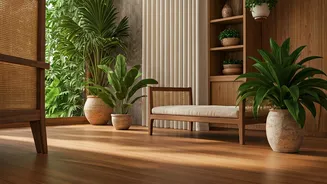
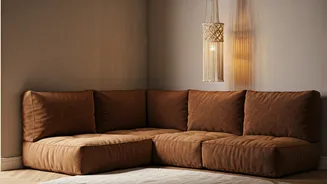
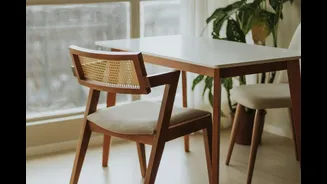
Dark, bulky furniture can make a room feel smaller and more crowded, especially when skies are gray. Bamboo furniture, on the other hand, often features an open, airy design. Think coffee tables with slender legs, open-backed shelving units, or armchairs with woven details. These pieces allow light and air to pass through them, creating a sense of spaciousness. A bamboo-framed couch or a set of accent chairs with light-colored cushions can anchor your living room without weighing it down. Because bamboo is incredibly strong for its weight, designers can create elegant, minimalist forms that are still perfectly sturdy for everyday use. Choosing furniture with a natural or blonde finish will further enhance the room's brightness.
Finish with Functional, Natural Accents
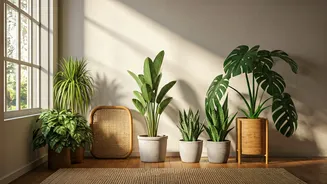
You don’t need a complete overhaul to feel the benefits of bamboo. Integrating smaller, strategic accents can make a significant difference. A large, round mirror with a bamboo frame can work wonders by reflecting light and creating the illusion of more space. Place it on a wall opposite a window to amplify natural light. Use bamboo trays on your coffee table or ottoman to corral remotes and magazines, adding a touch of organized, organic texture. Even simple items like bamboo coasters, decorative bowls, or planters for indoor greenery contribute to a cohesive, nature-inspired theme that feels calming and resilient against the dreary weather outside.