





Master Your Hydration Game
We all know we should drink more water in the summer, but true hydration is more nuanced than just chugging from a bottle. As you sweat, you don't just lose water; you lose essential electrolytes like sodium and potassium, which are crucial for muscle
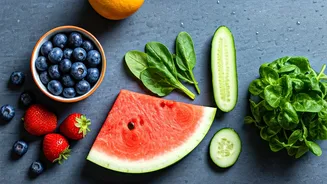
function and nerve signaling. This is why you can still feel sluggish, dizzy, or headachy even when drinking plenty of plain water. To combat this, focus on a two-pronged approach. First, consistently sip water throughout the day rather than waiting until you're thirsty—thirst is an early sign of dehydration. Second, incorporate electrolytes. This doesn't necessarily mean sugary sports drinks. You can get electrolytes from coconut water, a pinch of sea salt in your water bottle, or, most effectively, by 'eating your water.' Foods like watermelon, cucumber, strawberries, and celery are packed with both water and essential nutrients, providing a slow-release form of hydration that your body can easily absorb.
Prioritize Cool, Restorative Sleep
Tossing and turning on a hot, sticky night is a universal summer misery. High temperatures and humidity actively disrupt our sleep architecture, making it harder to fall asleep and reducing the amount of deep, restorative sleep we get. Your body's core temperature naturally needs to drop to initiate sleep, a process the summer heat actively works against. While air conditioning is the most obvious solution, it's not the only one. Start by optimizing your environment. Use blackout curtains to block the sun's heat during the day. Opt for lightweight, breathable bedding made from natural fibers like cotton or linen, which wick moisture away from your body. A cool shower before bed can help lower your core body temperature. If you don't have AC, place a bowl of ice in front of a fan to create a makeshift cooling breeze. Finally, stick to a consistent sleep schedule, even on weekends, to keep your body’s internal clock (circadian rhythm) stable, which helps regulate temperature and promote better rest.
Eat Light, Feel Right
Ever notice how a heavy, greasy meal on a hot day can leave you feeling lethargic and even warmer? That's thanks to the thermic effect of food (TEF). Your body uses energy to digest food, a process that generates heat. Large, protein-heavy, and high-fat meals require more energy to break down, effectively turning up your internal furnace. In summer, the goal is to work with your body, not against it. Lighter meals are easier to digest and won't spike your internal temperature. Think crisp salads loaded with vegetables, lean proteins like grilled chicken or fish, and plenty of fresh fruit. These foods are not only cooling but also hydrating and rich in the vitamins and antioxidants your body needs to handle the oxidative stress that can come from sun exposure. Swapping a heavy pasta dish for a quinoa bowl with roasted vegetables, or a burger for a chilled gazpacho soup, can make a significant difference in your energy levels and overall comfort during the hottest months.