
What Exactly Is Makhana?
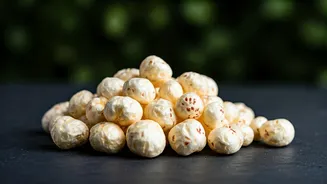
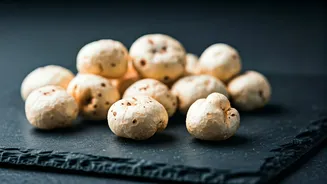
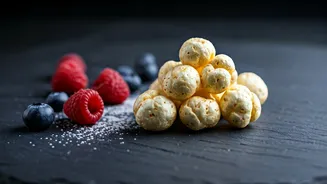
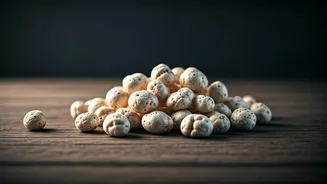
Imagine a snack that’s a cross between popcorn and a rice puff, but lighter and more satisfying. That’s makhana. Also known as fox nuts or phool makhana, these airy, white morsels are actually the popped seeds of the water lily plant, specifically Euryale
ferox. Unlike corn, which pops with heat, makhana seeds are harvested from the bottom of ponds in parts of India, dried, and then roasted in hot sand until the black outer shell cracks and the white kernel puffs up. The result is a snack with a delightfully neutral, slightly earthy taste and a texture that’s addictively crunchy without being greasy or heavy. It’s a blank canvas, ready to take on whatever seasonings you throw at it, from simple sea salt to spicy masala blends.
The ‘Super-Snack’ Credentials
The term “superfood” gets thrown around a lot, but makhana makes a compelling case. For starters, it’s naturally low in calories and fat. A generous cup of plain, popped makhana has around 100 calories, making it a guilt-free option for mindless munching. But its real power lies in its nutrient density. It’s a good source of plant-based protein and fiber, a combination that promotes satiety and keeps you feeling full longer than, say, a bag of potato chips. Furthermore, makhana is rich in essential minerals like magnesium, which is vital for muscle function and nerve health, and potassium. It’s also gluten-free, corn-free, and nut-free, making it an ideal snack for those with common food allergies and sensitivities. It's the rare snack that checks all the boxes for the modern, health-conscious consumer.
From Sacred Staple to Global Trend
While makhana might seem new to Western palates, it has a history stretching back centuries in India. It's considered a sattvic food in Ayurveda—pure, wholesome, and easy to digest—making it a staple during religious fasts like Navratri. The harvesting process is incredibly laborious, traditionally done by fishermen who wade into ponds to collect the seeds, a practice that has sustained communities for generations, particularly in the state of Bihar. Its journey to the U.S. snack aisle is a story of globalization meeting wellness. As consumers increasingly search for snacks that are both interesting and healthy, brands have recognized the massive potential of this ancient Indian staple. Packaged in sleek bags with trendy flavor profiles like Himalayan Pink Salt, Turmeric & Herb, and Chili Lime, makhana is being positioned as the next big thing in mindful snacking.
How to Get Your Crunch On
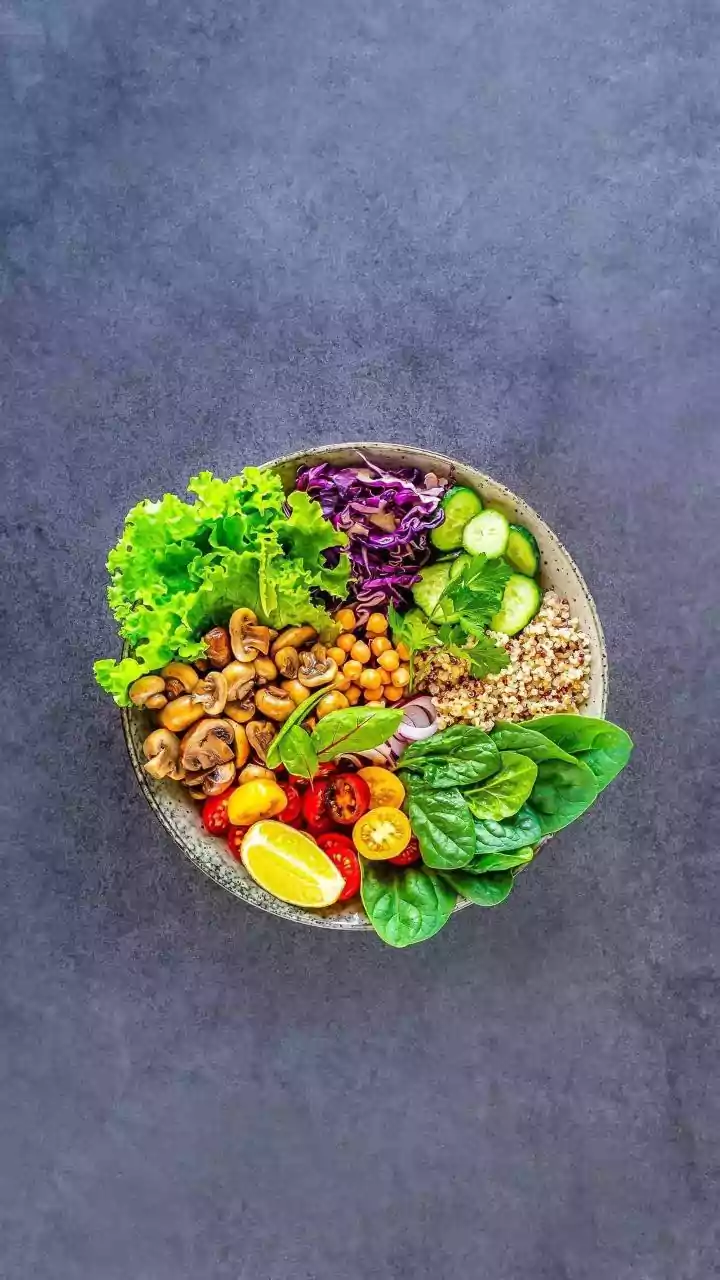
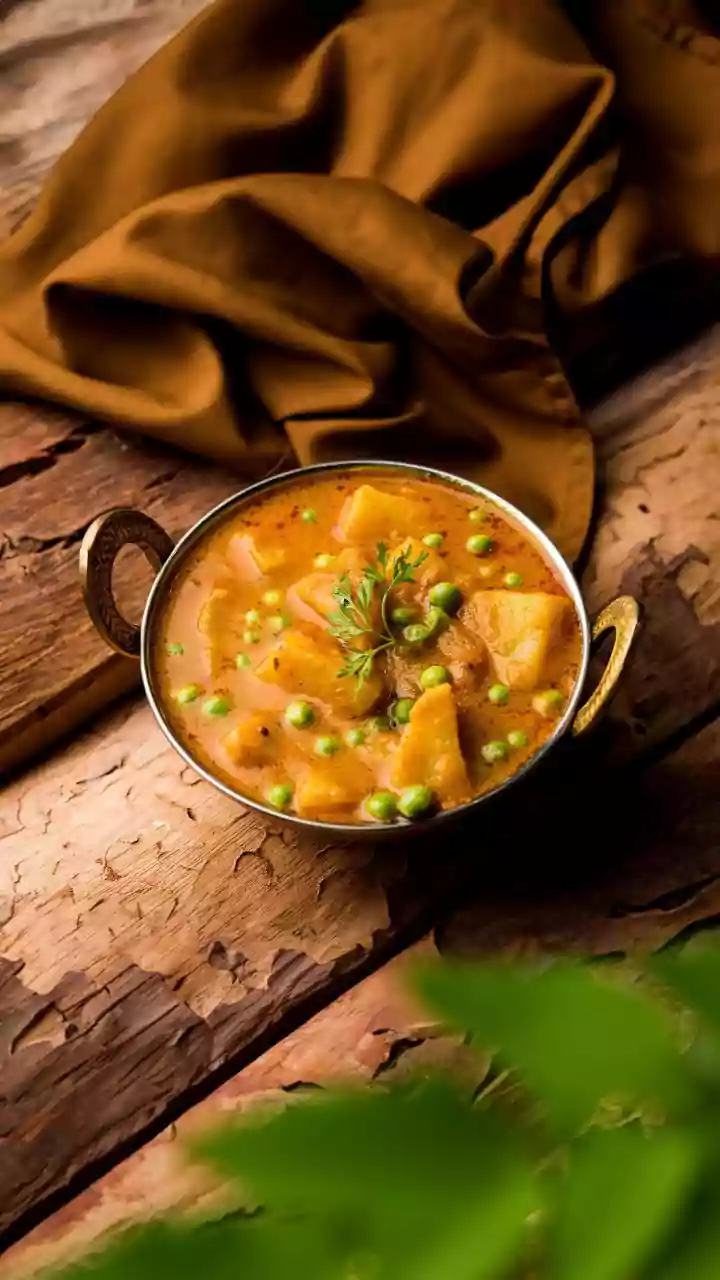
The easiest way to enjoy makhana is straight from the bag, just like popcorn. But its versatility is its secret weapon. At home, you can easily make your own. Simply buy plain, unroasted makhana from an Indian grocery store or online, and dry roast them in a pan over low heat until they’re crisp. Then, toss them with a little ghee or coconut oil and your favorite spices. Think smoked paprika, nutritional yeast for a cheesy flavor, or even cinnamon sugar for a sweet treat. Beyond snacking, makhana adds a wonderful, gluten-free crunch to salads and soups, much like croutons. In India, it's often used in curries, like the rich and creamy 'makhana kaju curry,' or turned into a sweet, milky pudding called 'makhana kheer.' Whether you’re looking for a healthier movie-night snack or a new texture to elevate your cooking, makhana is worth exploring.