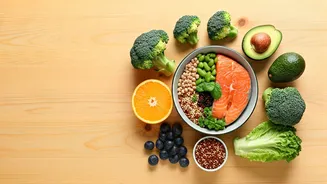







Start by Adding, Not Subtracting
The panic-driven response to a health scare is almost always restrictive. We immediately create a long list of forbidden foods. But nutritionists suggest flipping the script. Instead of focusing on what you need to cut out, focus on what you can add in.
This simple psychological shift replaces a mindset of deprivation with one of abundance. Start by adding one more serving of vegetables to your day. Or aim to include a source of lean protein and fiber at every meal. This approach naturally crowds out less nutritious choices without triggering the sense of rebellion and failure that often accompanies strict dietary rules. It’s a positive, sustainable strategy that builds momentum over time.
Prioritize Sleep Above All Else
You can have the most pristine diet in the world, but if you’re not sleeping, your body is fighting a losing battle. Lack of sleep dysregulates the hormones that control appetite: ghrelin (the “I’m hungry” hormone) spikes, while leptin (the “I’m full” hormone) plummets. This is why a sleepless night often leads to intense cravings for high-calorie, low-nutrient foods. Before you overhaul your pantry, audit your sleep hygiene. Are you creating a dark, cool, quiet environment? Are you avoiding screens an hour before bed? Aiming for a consistent 7-9 hours of quality sleep is one of the most powerful things you can do for your metabolism, energy levels, and overall health.
Hydrate for More Than Just Thirst
It’s the most common advice for a reason. Mild dehydration can masquerade as hunger, zap your energy, and contribute to brain fog. When you feel that afternoon slump, your first instinct might be to reach for a snack or a caffeinated beverage, but your body might just be asking for water. Proper hydration is critical for metabolism, digestion, and nutrient absorption. Don’t wait until you’re parched. Keep a water bottle with you throughout the day. If you find plain water boring, infuse it with lemon, cucumber, or mint. The goal isn't just to quench thirst but to keep your internal systems running smoothly, preventing the false signals that can lead to unnecessary eating.
Find Movement You Actually Enjoy
If your only association with exercise is a grueling, joyless hour on the treadmill, it’s time for a reframe. Experts are increasingly emphasizing the importance of joyful movement. Panicked health goals often lead us to choose punishing workouts we dread, making them impossible to sustain. The key is to find physical activities you genuinely look forward to. This could be dancing in your living room, taking a brisk walk in a park while listening to a podcast, joining a recreational sports league, or tending to a garden. When movement becomes a source of pleasure and stress relief rather than a chore, it seamlessly integrates into your lifestyle instead of being another item on a to-do list you can’t wait to cross off.
Tackle Stress Before It Hits Your Plate
Emotional eating is a powerful force. When we’re chronically stressed, our bodies produce excess cortisol, a hormone that can trigger intense cravings for sugary, fatty, and salty comfort foods. A panicked approach to diet often ignores this crucial connection. You can’t willpower your way through a biological response to stress. Instead of white-knuckling it through cravings, the lifestyle-first approach asks you to build a toolkit of non-food coping mechanisms. This could be a five-minute meditation, calling a friend, journaling, or stepping outside for fresh air. By addressing the root cause—the stress itself—you reduce the likelihood of turning to food for comfort in the first place.