



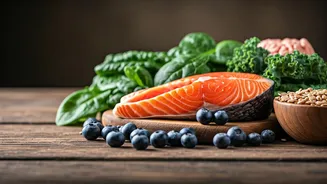



Fatty Fish for Omega-3s
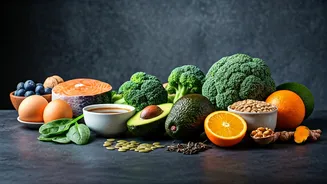
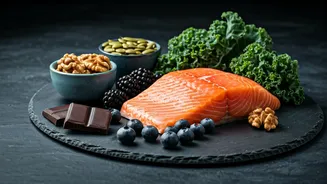
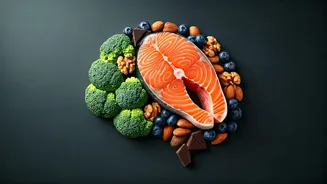
When it comes to brain foods, fatty fish is at the top of nearly every expert’s list. Varieties like salmon, cod, canned light tuna, and sardines are rich in omega-3 fatty acids, particularly docosahexaenoic acid (DHA). Our brains are made up of about
60% fat, and half of that fat is the omega-3 type. Your brain uses these healthy fats to build nerve cells, and they are essential for learning and memory. Studies have consistently linked adequate omega-3 intake to better cognitive performance and a potentially lower risk of age-related mental decline. Aim for at least two servings of fatty fish per week. If you’re not a fan of fish, you can talk to your doctor about an omega-3 supplement.
Leafy Greens for Brain Protection
Your mother was right—eat your greens. Leafy vegetables like kale, spinach, collards, and broccoli are packed with brain-healthy nutrients like vitamin K, lutein, folate, and beta carotene. Research suggests these plant-based compounds may help slow cognitive decline. Vitamin K, for instance, is involved in the formation of sphingolipids, a type of fat densely packed into brain cells. Folate deficiency has been linked to some neurological conditions, and leafy greens provide it in abundance. Whether you add a handful of spinach to a smoothie, make a big kale salad for lunch, or serve collard greens as a side dish, incorporating them daily is a simple and powerful habit for your head.
Berries for Powerful Flavonoids
These colorful fruits don't just taste great; they deliver a potent dose of antioxidants. Berries are full of flavonoids, the natural plant pigments that give them their vibrant hues. These compounds have been shown to have anti-inflammatory and antioxidant effects. In essence, they help protect brain cells from the damage caused by harmful free radicals and reduce inflammation, both of which can contribute to brain aging. Studies have found that a higher intake of berries, such as blueberries and strawberries, is associated with slower rates of cognitive decline in older adults. Toss them in your oatmeal, yogurt, or salads for a daily brain boost.
Walnuts and Other Nuts
Looking for the perfect snack to keep you sharp? Reach for a handful of nuts. Nuts, and especially walnuts, are excellent sources of healthy fats, antioxidants, and vitamin E. Vitamin E is known to protect cell membranes from free radical damage, which is a key process in slowing cognitive decline. Walnuts have an extra edge, as they are the only nut that provides a significant amount of a plant-based omega-3 fatty acid called alpha-linolenic acid (ALA). Your body uses ALA to produce DHA and EPA, the same fats found in fish. A diet rich in walnuts and other nuts has been linked to improved memory and cognitive test scores.
Coffee and Tea for a Cognitive Boost
That morning cup of coffee or tea does more than just wake you up. The two most beneficial components for your brain are caffeine and antioxidants. Caffeine works by blocking adenosine, a chemical that makes you feel sleepy, thereby increasing alertness and improving concentration. But the benefits go beyond the short term. The high concentration of antioxidants in both coffee and green tea may support brain health over time. Multiple studies have linked long-term coffee consumption with a reduced risk of neurological diseases, such as Parkinson's and Alzheimer's. As with anything, moderation is key to reaping the benefits without the jitters.