


Dal and Rice: The Complete Protein Powerhouse
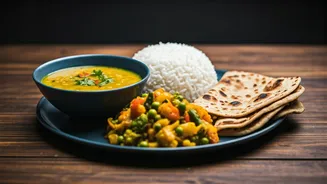
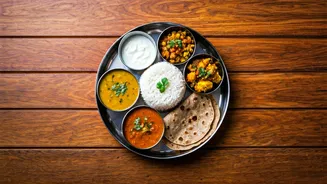
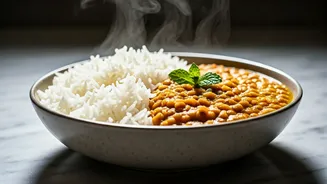
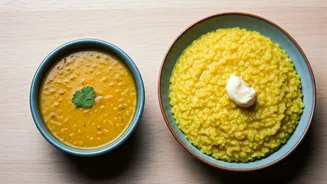
The humble plate of dal and chawal (lentils and rice) is the cornerstone of comfort food for millions, but its nutritional genius lies in its simplicity. Most plant-based foods are considered 'incomplete' proteins, meaning they lack one or more of the nine
essential amino acids our bodies can't produce. Rice is low in the amino acid lysine, while lentils are low in methionine. Eaten together, they fill each other's gaps, forming a 'complete protein' that’s on par with meat, eggs, or dairy. This combination provides sustained energy from complex carbohydrates, essential amino acids for muscle repair and bodily function, and a healthy dose of fiber from the lentils. It’s a perfect example of food synergy, where the whole is greater than the sum of its parts.
Khichdi and Ghee: The Ultimate Gut-Friendly Reset
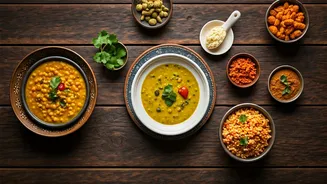
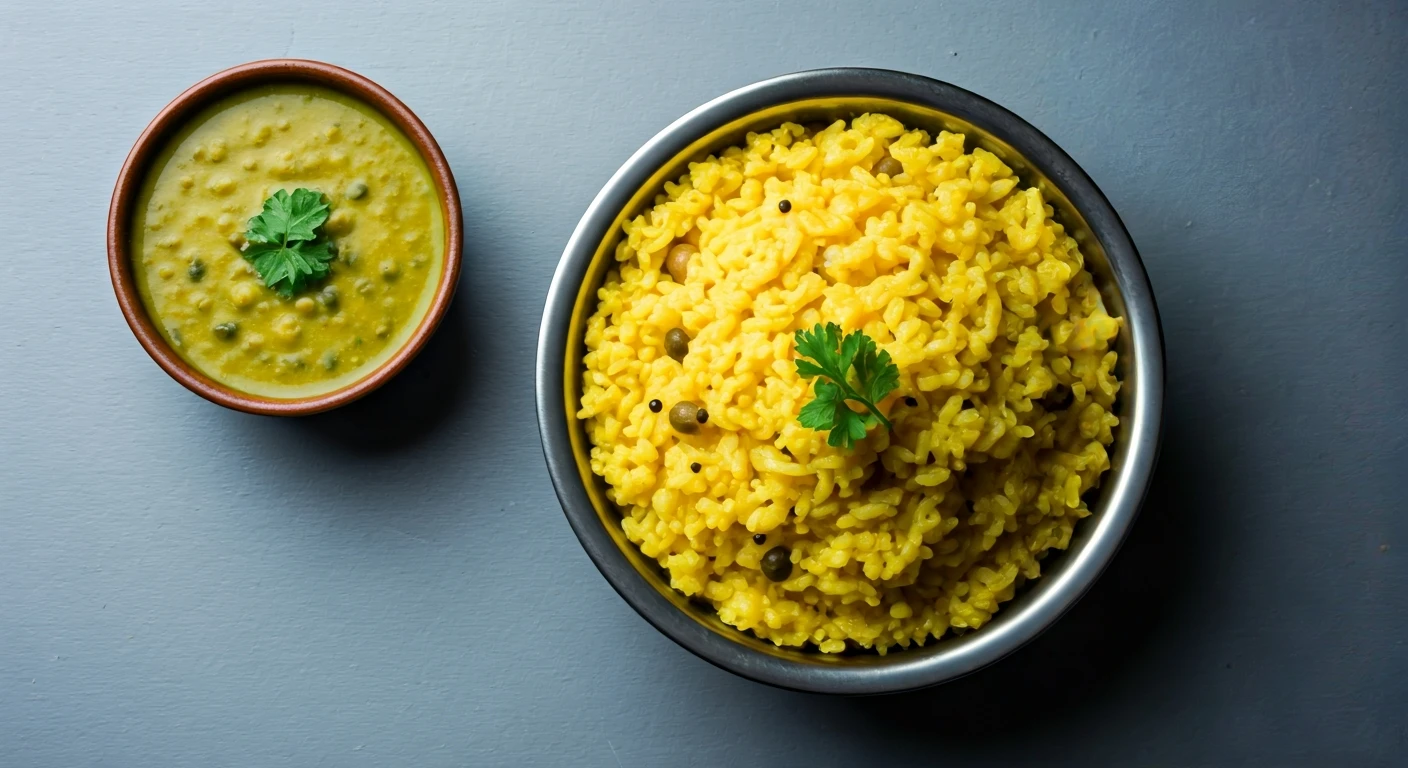
Often described as a savory porridge of rice and lentils, khichdi is the meal South Asian families turn to when someone is feeling under the weather—and for good reason. The combination of rice and moong dal is incredibly easy to digest, giving the digestive system a much-needed rest while still providing ample nourishment. Like dal and rice, it’s a complete protein. But the magic is amplified with a spoonful of ghee (clarified butter). Ghee is rich in butyrate, a short-chain fatty acid that is a primary fuel source for the cells lining the colon. This helps support gut barrier function and reduce inflammation. Gentle spices often included, like turmeric and ginger, add further anti-inflammatory and digestive benefits. It’s the original 'reset' meal, designed for healing and comfort from the inside out.
Roti and Sabzi: A Masterclass in Balanced Eating
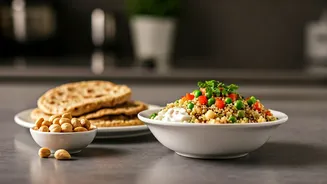
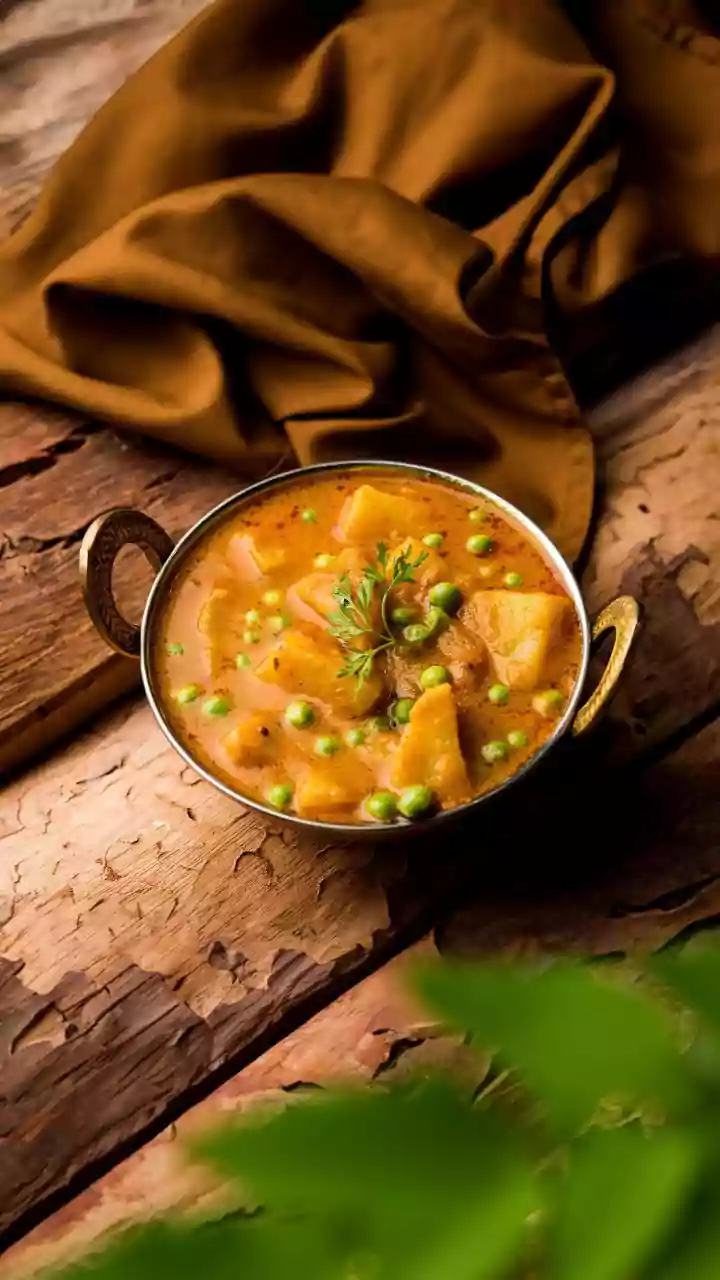
This everyday meal of whole wheat flatbread (roti) and a cooked vegetable dish (sabzi) is a masterclass in balanced eating. The roti provides complex carbohydrates for energy, along with fiber, B vitamins, and minerals. The sabzi, which can be made from any combination of seasonal vegetables, delivers a wide spectrum of vitamins, antioxidants, and phytonutrients. When cooked with classic Indian spices like turmeric, cumin, and coriander, the dish becomes not only flavorful but also a source of anti-inflammatory and digestive-aiding compounds. This pairing ensures you get a healthy dose of carbs, fiber, and micronutrients in a single, satisfying meal. It’s a template for eating with the seasons and filling your plate with a rainbow of vegetables.
Turmeric Milk with Black Pepper: The Anti-Inflammatory Elixir
Golden milk lattes may be a recent fixture in trendy cafes, but haldi doodh (turmeric milk) has been a staple bedtime drink in Desi households for centuries. Its power comes from curcumin, the active compound in turmeric known for its potent anti-inflammatory and antioxidant properties. However, curcumin is not easily absorbed by the body on its own. This is where the pairing becomes crucial. Adding a pinch of black pepper, which contains piperine, can increase curcumin's bioavailability by up to 2,000%. When warmed in milk (a source of fat), the absorption is further enhanced. This traditional remedy for colds, coughs, and general aches is a perfect demonstration of ancient food science that modern research continues to validate.
Yogurt with Rice or Roti: The Probiotic Cooler
In the heat of an Indian summer or alongside a spicy curry, a side of dahi (yogurt) is non-negotiable. Whether mixed with rice or eaten with roti, yogurt serves a dual purpose. First, it’s a natural coolant, believed in Ayurveda to help balance the body's heat (pitta). Second, it’s a fantastic source of probiotics, the beneficial bacteria that support a healthy gut microbiome, aid digestion, and boost the immune system. Pairing a live-culture yogurt with a fiber-rich carbohydrate like whole wheat roti or rice creates a symbiotic effect. The fiber acts as a prebiotic, feeding the probiotic bacteria and helping them thrive. It’s a simple yet effective way to support gut health and temper the effects of a fiery meal.