


The Endless Blue of Texas Bluebonnets
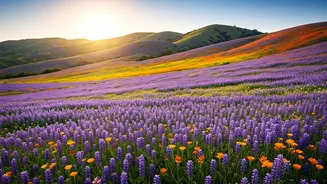
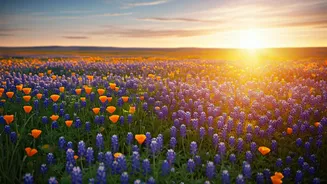
Every spring, the Texas Hill Country transforms into a sea of deep blue. Bluebonnets, the state flower, carpet roadsides and pastures in a display so beloved it causes minor traffic jams. The peak season typically runs from late March to mid-April, with
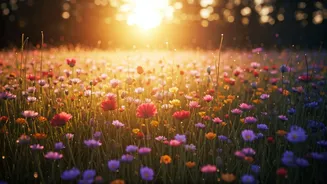
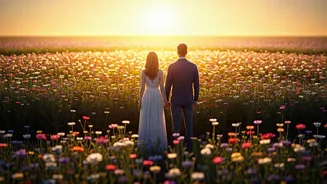
towns like Brenham, Ennis, and the area along the Willow City Loop near Fredericksburg offering prime viewing. These aren’t manicured gardens; they’re wild, sprawling fields of color. For that perfect, effortless-looking shot, timing is everything. Go on a weekday to avoid the biggest crowds and aim for the 'golden hour' light just after sunrise or before sunset, which makes the blue hues pop. Remember that most bluebonnet patches are on private property. Stick to designated public parks and photo spots, and never cross a fence. The best photos come from respecting the landscape, not trampling it.
The Rainbow Rows of Washington's Tulips
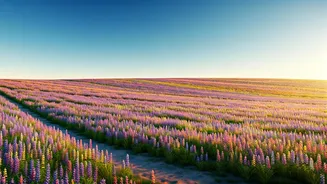
If you dream of the Netherlands but can't swing the flight, head to Washington’s Skagit Valley. Every April, the Skagit Valley Tulip Festival draws visitors from around the world to witness millions of tulips blooming in meticulously planted, rainbow-like rows. This is organized agri-tourism at its best, with multiple farms like RoozenGaarde and Tulip Town offering tickets to wander through their spectacular fields. Because this is a major event, planning is essential. Buy tickets online in advance, expect traffic, and be prepared for mud—this is the Pacific Northwest, after all. For a shot that stands out from the crowd, play with perspective. Get low to the ground to make the tulips feel massive, or use the leading lines of the rows to draw the eye toward a subject. And don't forget the backdrop; on a clear day, the snow-capped Mount Baker provides a stunning contrast to the vibrant flowers below.
The Golden Hour of California Poppies
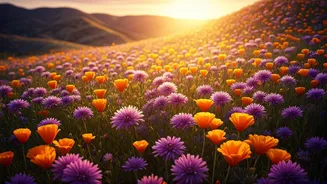
California’s state flower, the poppy, is a fickle but breathtaking performer. In years with ample winter rain, a 'superbloom' can cover entire hillsides in a blanket of fiery orange, most famously at the Antelope Valley California Poppy Reserve. The bloom is unpredictable, but when it happens (usually between mid-March and May), it’s a natural spectacle unlike any other. The key to experiencing it is flexibility and information. Check the park’s official website or hotline frequently for bloom status updates before you even think about getting in the car. The park has strict rules to protect the delicate ecosystem: stay on the designated trails at all times. Crushing the flowers or soil can prevent future blooms. The best images here are often wider shots that capture the scale of the orange landscape against the vast blue sky. It’s a powerful, wild beauty that doesn’t need a close-up to impress.
The Fragrant Fields of Oregon Lavender
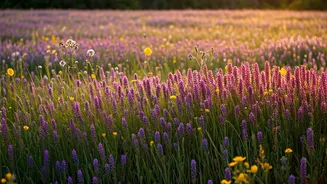
For a more serene and sensory experience, the lavender fields of Oregon are a mid-summer dream. From late June through July, farms across the state, particularly in the Willamette Valley and near Mount Hood, open their gates for 'U-pick' events and festivals. The sight of silvery-purple rows undulating in the breeze is matched only by the calming, aromatic scent that fills the air. This is a much more relaxed vibe than the frenzy of a superbloom. Many farms have cafes selling lavender-infused treats and shops with handmade soaps and oils. To capture the magic, focus on the details: the texture of the blossoms, the bees buzzing from flower to flower, or the soft light filtering through the rows. Many lavender farms are perfectly situated with iconic backdrops like mountains or vineyards, giving you a layered, picturesque scene that’s as beautiful as it is fragrant.
The Towering Sunflowers of the Midwest
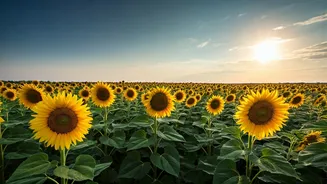
Come late summer, from August into early September, it's the sunflower’s turn to shine. Fields of these cheerful, towering giants can be found across the country, but the Midwest—particularly Kansas, North Dakota, and Wisconsin—is famous for them. Farms like Grinter Farms in Kansas have become legendary destinations, where acres of sunflowers all turn their faces toward the sun. Visiting a sunflower field feels like stepping into a painting. The sheer scale is dizzying and joyful. To get the best photo, use the height of the flowers to your advantage. A low angle looking up can create a dramatic, sun-drenched shot. Many farms carve mazes into their fields, offering a fun activity and unique photo opportunities from within the golden walls. Just be mindful of the bees—they love sunflowers as much as photographers do, and they are essential for the ecosystem.