


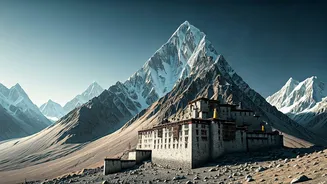
The Heart of the Festival
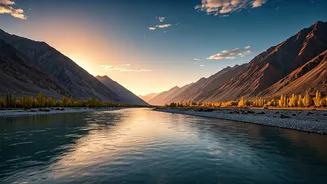
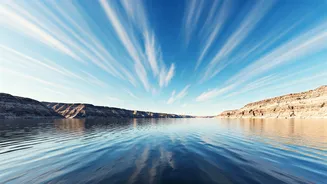
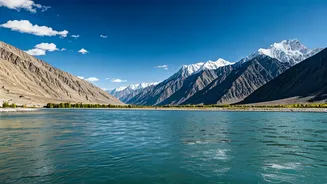
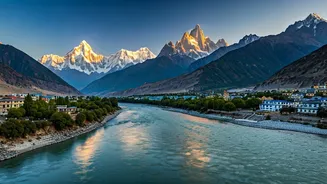
Held annually in June in Ladakh, a high-altitude desert region often called "Little Tibet," the Sindhu Darshan Festival is a three-day celebration of cultural harmony and national pride. At its core, the festival honors the Sindhu River—known to the West
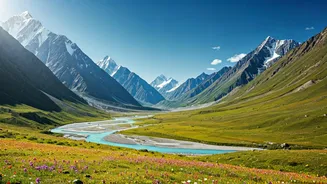
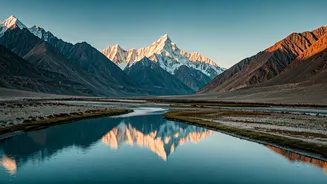
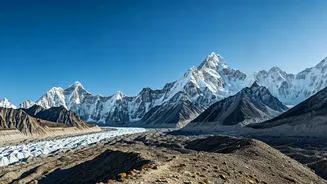
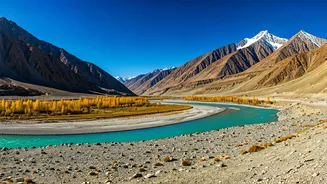
as the Indus River—which is considered the cradle of Indian civilization. The event was started in the late 1990s to promote the river as a symbol of unity. It draws people from across India and the world to the town of Leh for a mesmerizing blend of ancient rituals, folk music, and dance performances, all set against one of the planet's most dramatic landscapes.
Navigating Permits for Foreign Travelers
For American citizens, visiting Ladakh requires some paperwork, but it's straightforward. While Leh itself is generally open, many of the surrounding areas, including routes to places like Nubra Valley or Pangong Lake (popular side trips), fall under a Protected Area. To access these, you’ll need a Protected Area Permit (PAP). The good news is you don’t have to navigate a government office yourself. The easiest way to secure a PAP is through a registered travel agency in Leh. You must be in a group of at least two people, though your travel agent can often pair solo travelers. Provide your passport, visa, and a couple of passport photos, and your agent will handle the rest, usually within a day. Plan this as your first task upon arriving in Leh.
Choosing Your Route to Leh
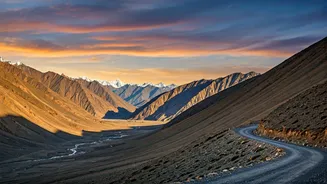
Getting to Leh, the festival's hub, is an adventure in itself. You have two main choices. The fastest and easiest is flying into Leh’s Kushok Bakula Rimpochee Airport (IXL), one of the highest commercial airports in the world. Flights are available from major Indian cities like Delhi. This option saves time but requires you to spend the first 48 hours acclimatizing to the high altitude (over 11,500 feet) before doing any strenuous activity. The more epic option is the road trip. The Manali-Leh Highway (open June-September) and the Srinagar-Leh Highway (open May-October) are legendary drives through breathtaking mountain passes. These multi-day journeys allow for gradual acclimatization and offer unparalleled scenery, but they require more time and a robust vehicle.
Sacred Spots and Festival Rituals
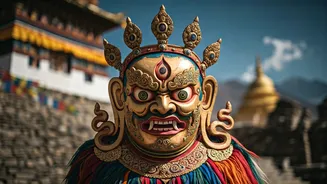
The festival's main events unfold at the Sindhu Ghat, a beautifully constructed riverbank area just outside Leh. The opening ceremony is a highlight, where people from different Indian states, dressed in traditional attire, pour water from their home rivers into the Sindhu, symbolizing the mixing of cultures. A key spiritual element is the prayer ceremony conducted by dozens of lamas (Buddhist monks) on the riverbanks. Throughout the day, the grounds come alive with colorful folk dance and music performances from various regions of India. It’s a photographer’s dream and a deeply moving experience, offering a glimpse into the diverse tapestry of Indian culture. Don’t miss the chance to simply sit by the river, absorbing the sacred chants and the powerful energy of the place.
Essential High-Altitude Travel Tips
Ladakh's altitude is no joke. The key to a successful trip is acclimatization. Whether you fly or drive, take it easy for the first two days in Leh. Walk slowly, drink plenty of water (3-4 liters a day), and avoid alcohol. Altitude sickness can affect anyone, regardless of fitness level. Symptoms include headaches, dizziness, and nausea. If they persist, descend to a lower altitude immediately. Pack layers of clothing—mornings and evenings are cold, while the daytime sun is intense. Sunscreen, sunglasses, and a wide-brimmed hat are non-negotiable. Finally, embrace the local culture with respect. Dress modestly, especially when visiting monasteries, and always ask for permission before taking photos of people.