
First, What Is Parama Ekadashi?
Before we get to the food, let’s set the table. In the Hindu calendar, 'Ekadashi' refers to the eleventh day of each of the two lunar phases in a month. These days are considered spiritually significant and are often observed with a fast, or 'vrat.' While
there are 24 Ekadashis in a typical year, some are more auspicious than others. Parama Ekadashi is one such special occasion. It occurs during 'Adhik Maas,' an extra month that is inserted into the lunar calendar every few years to keep it aligned with the solar year. This rarity makes Parama Ekadashi a particularly potent time for spiritual practices, reflection, and devotion. For many observers, fasting is a key component, intended to cleanse the body, focus the mind, and direct one's energy toward prayer and introspection.
The Art of the 'Vrat'
The word 'vrat' translates to a vow or resolve, and in this context, it refers to a religious fast. But this isn’t about simply not eating. An Ekadashi vrat has a specific, fascinating set of dietary rules that create a unique culinary challenge. The primary restriction is on grains—like rice, wheat, and oats—and lentils. Additionally, common ingredients like onions, garlic, and certain spices are also avoided as they are believed to be 'tamasic,' or foods that can agitate the mind and body, hindering spiritual focus. To an outsider, this might sound incredibly restrictive. What could you possibly eat? This is precisely where the culinary creativity begins, turning a list of 'don'ts' into a celebration of 'dos.'
Not Your Average Fasting Food
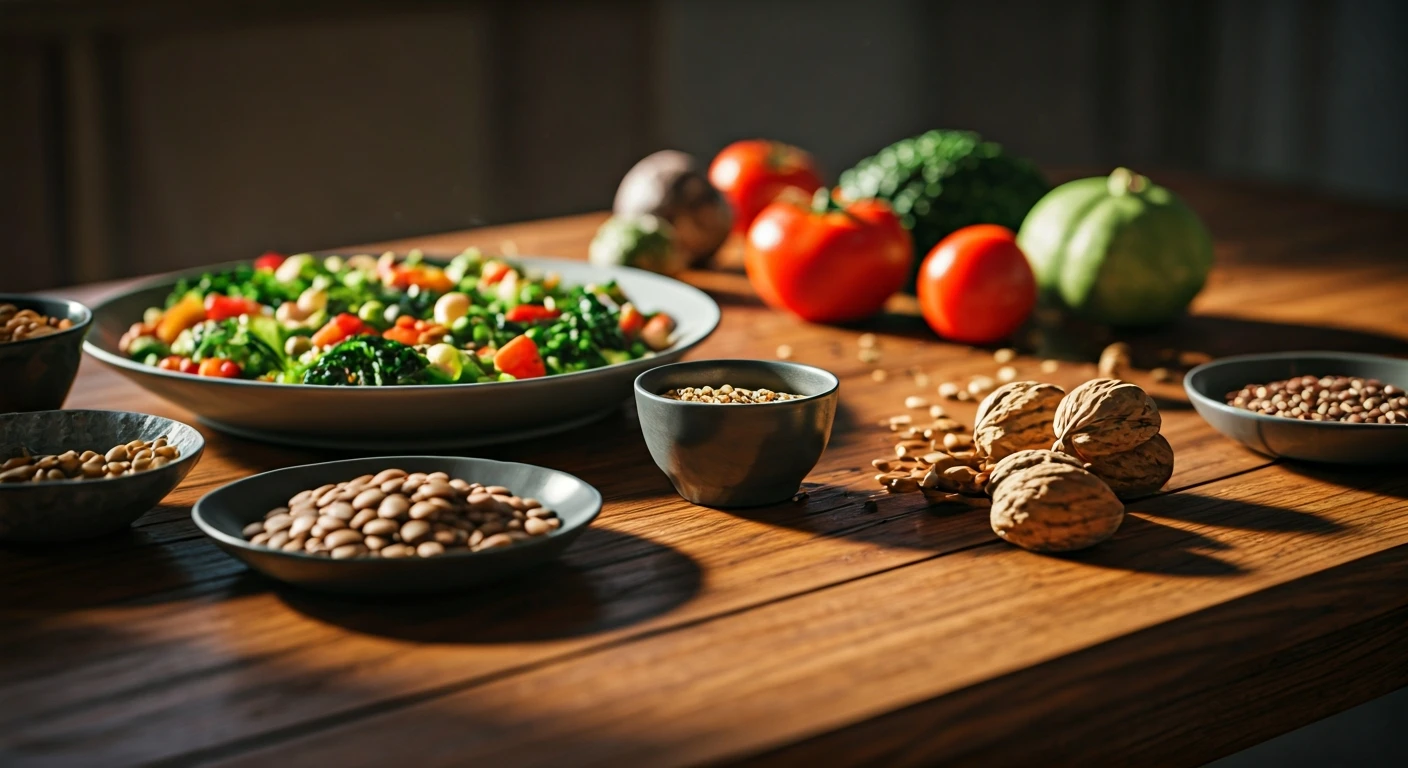
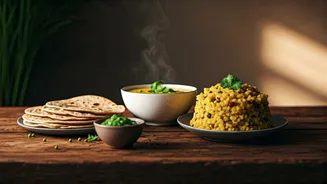
Forget what you think you know about fasting. The vrat-friendly pantry is a treasure trove of textures and flavors. Instead of wheat flour, cooks turn to alternatives like 'kuttu ka atta' (buckwheat flour), 'singhare ka atta' (water chestnut flour), and 'rajgira' (amaranth). The humble potato and sweet potato become superstars, starring in curries and patties. The most iconic vrat ingredient is 'sabudana,' or tapioca pearls. These chewy, translucent spheres are used to make everything from savory pancakes (Sabudana Thalipeeth) to crispy fritters (Sabudana Vada) and creamy puddings (Sabudana Kheer). Other staples include paneer (a firm, fresh cheese), yogurt, milk, fruits, and nuts like peanuts and fox nuts ('makhana'). The result is a diet that is naturally gluten-free and surprisingly hearty, relying on earthy, wholesome ingredients.
The Modern Vrat Menu
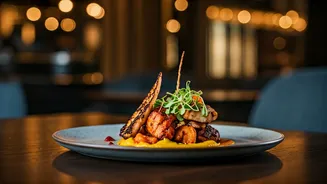
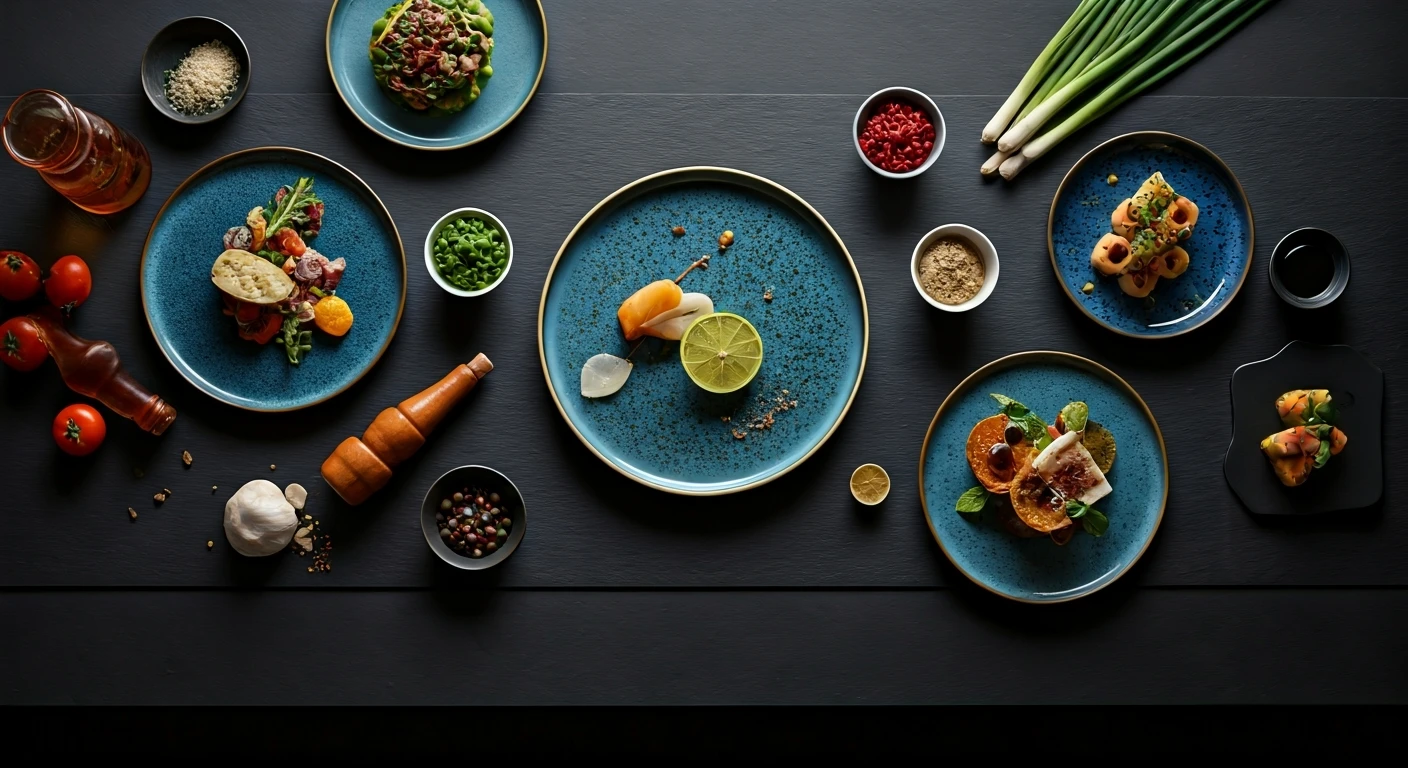
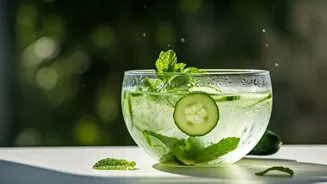
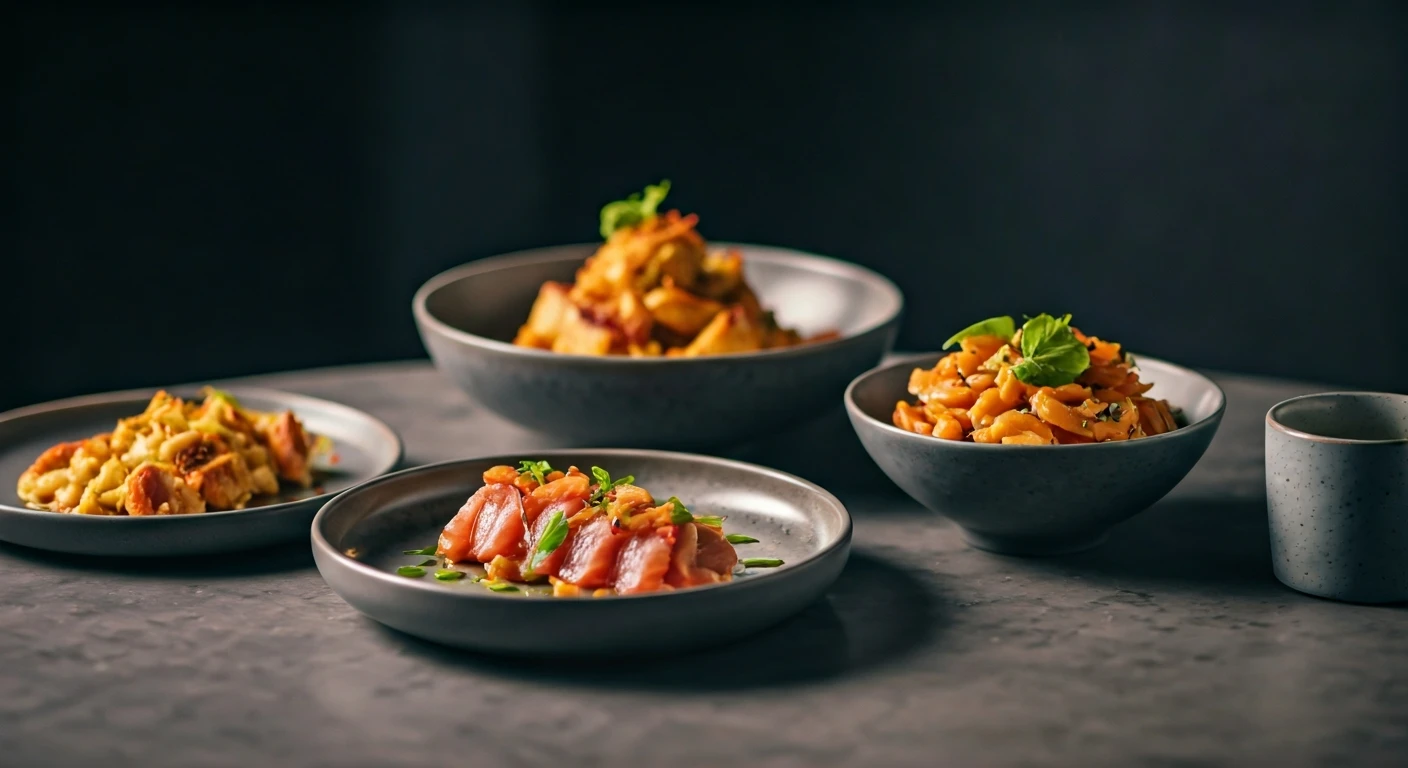
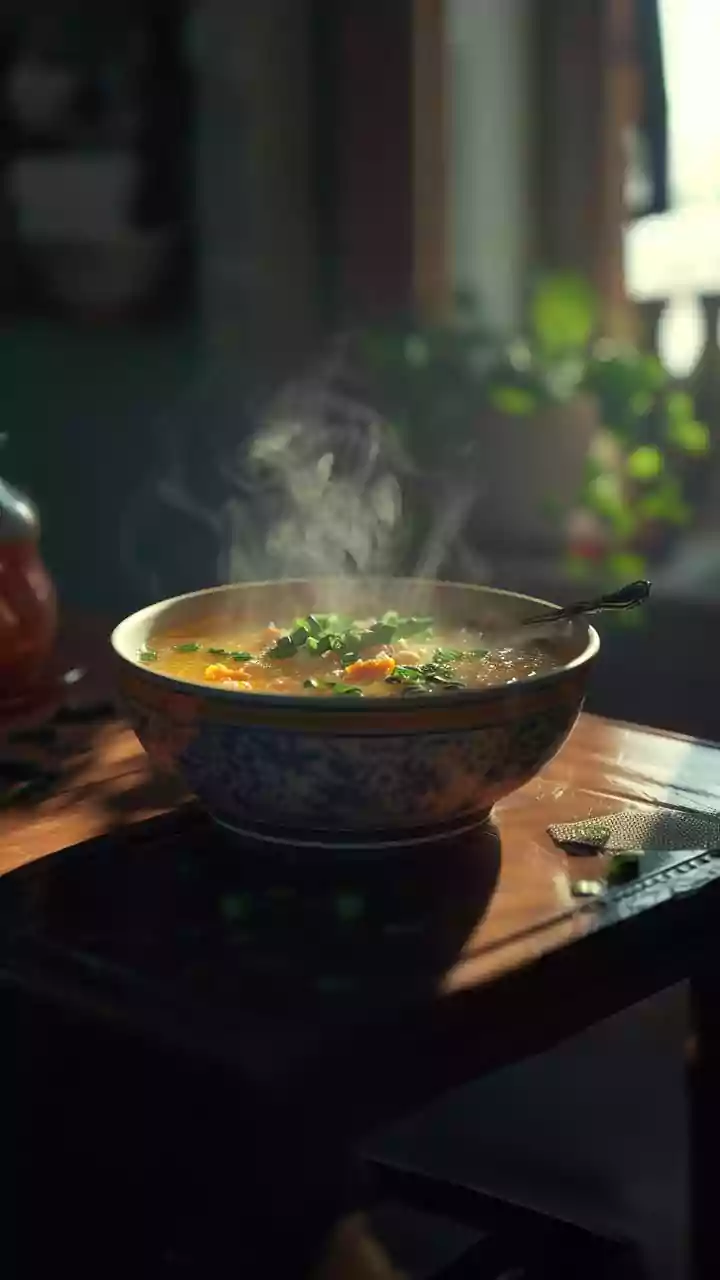
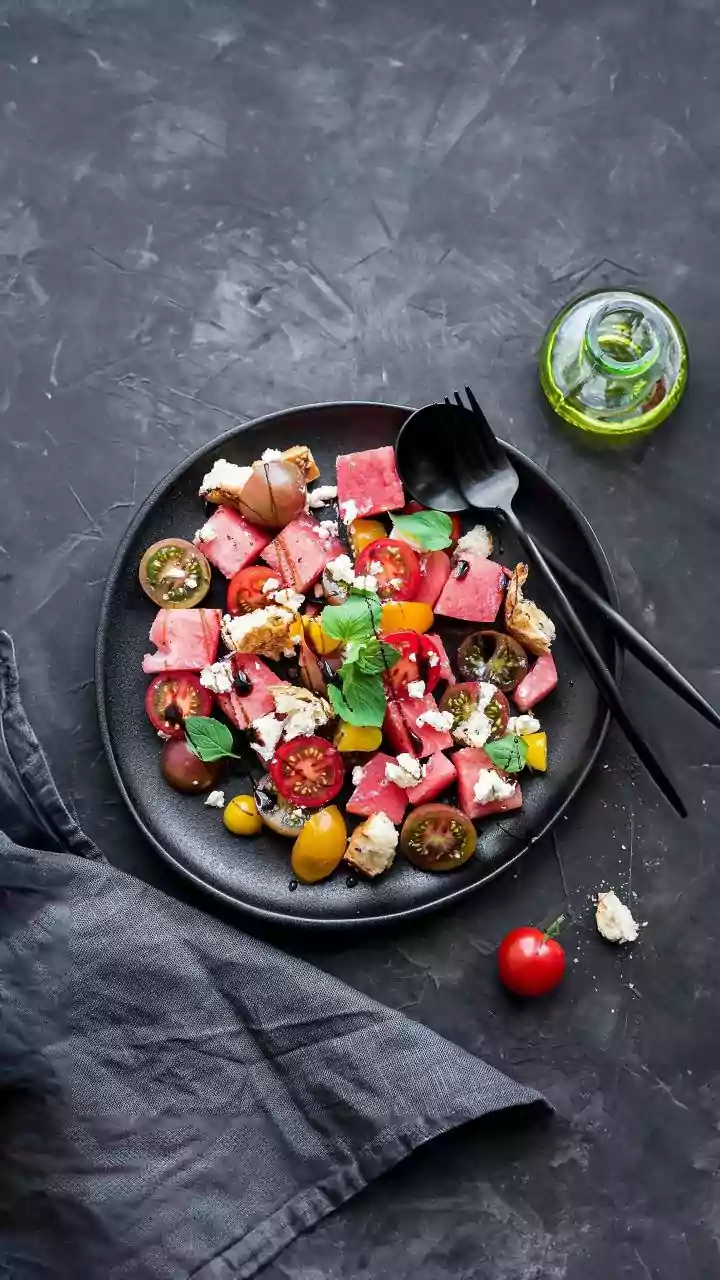
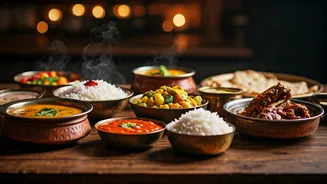
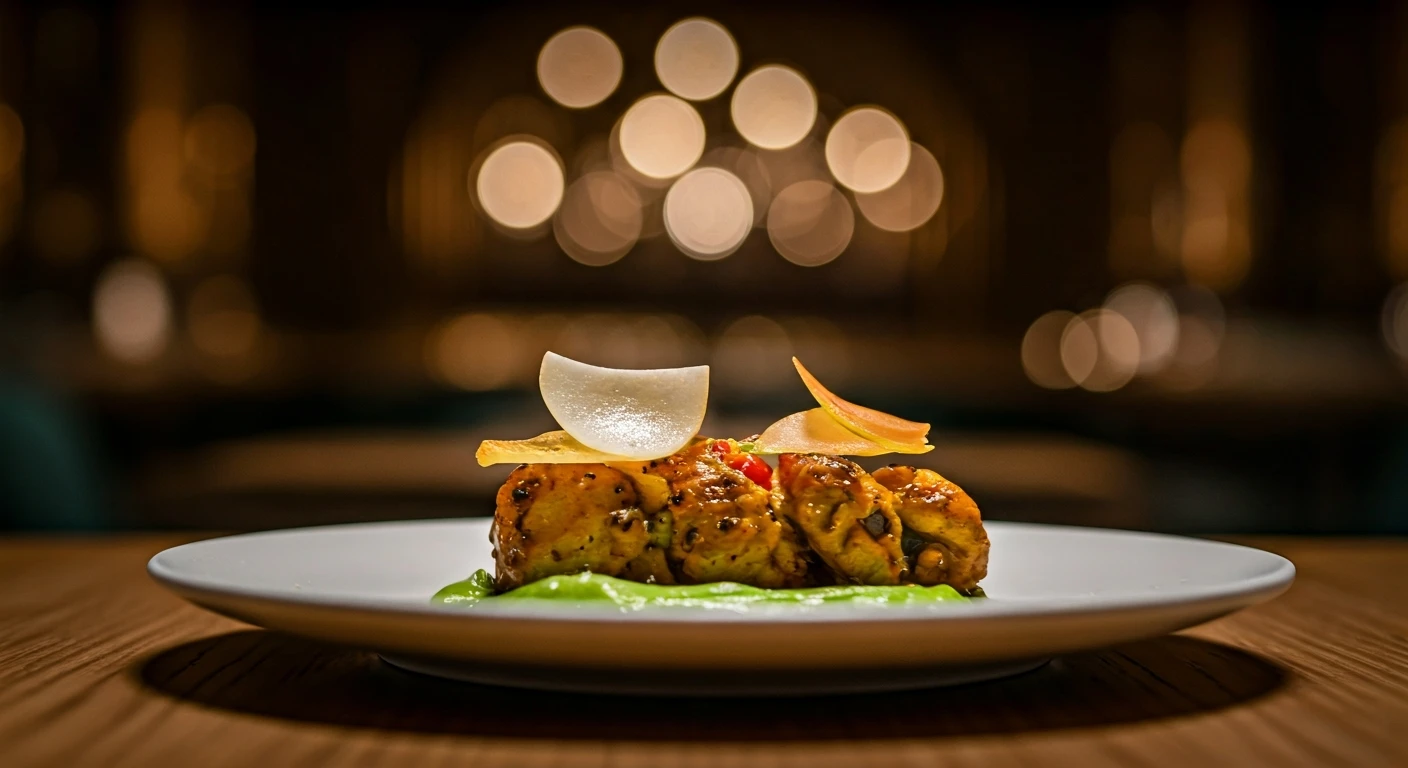
This is where the 'trending' part of the headline comes to life. A new wave of chefs, home cooks, and food bloggers are elevating vrat food from simple, home-style fare to gourmet experiences. Restaurants in the U.S. and India now offer elaborate 'vrat thalis'—platters featuring a curated selection of dishes that adhere to all the rules while delivering on flavor and presentation. You might find buckwheat flour crepes stuffed with spiced paneer, sweet potato tikkis served with a mint-yogurt dip, or amaranth porridge sweetened with dates. Social media feeds light up with modern takes, like sabudana vada 'sliders' in lettuce cups or layered trifles made with fruit, sweetened yogurt, and crunchy roasted makhana. This culinary movement proves that tradition isn't static; it's a living, breathing thing that can inspire incredible innovation. The constraints of the vrat have become a catalyst for creativity, challenging cooks to make something delicious within a sacred framework.