


From Steakhouses to Stews
Washington, D.C.’s dining reputation has long been tethered to its identity as the nation's political hub: powerful, a little serious, and historically partial to a well-cooked steak or a bowl of pricey cacio e pepe. The expense-account meal, designed
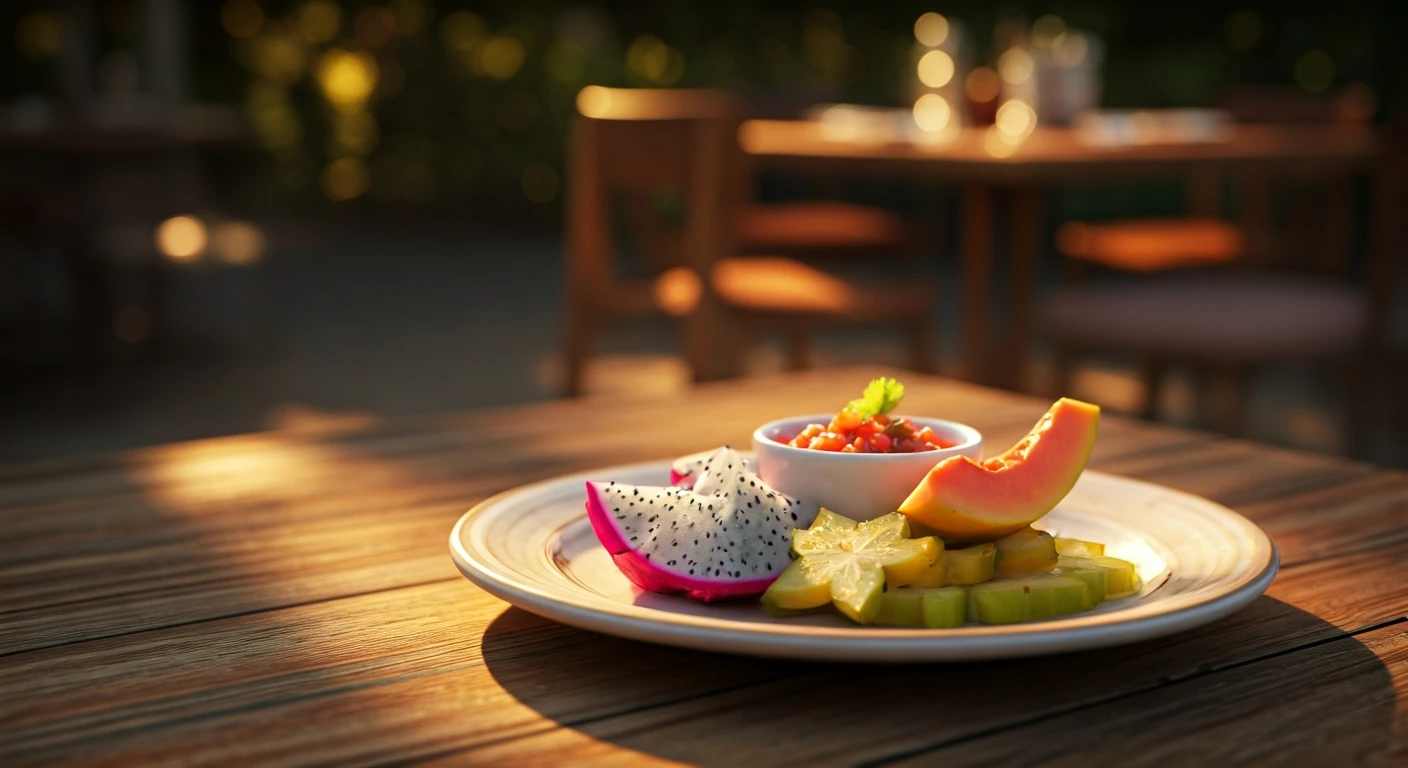
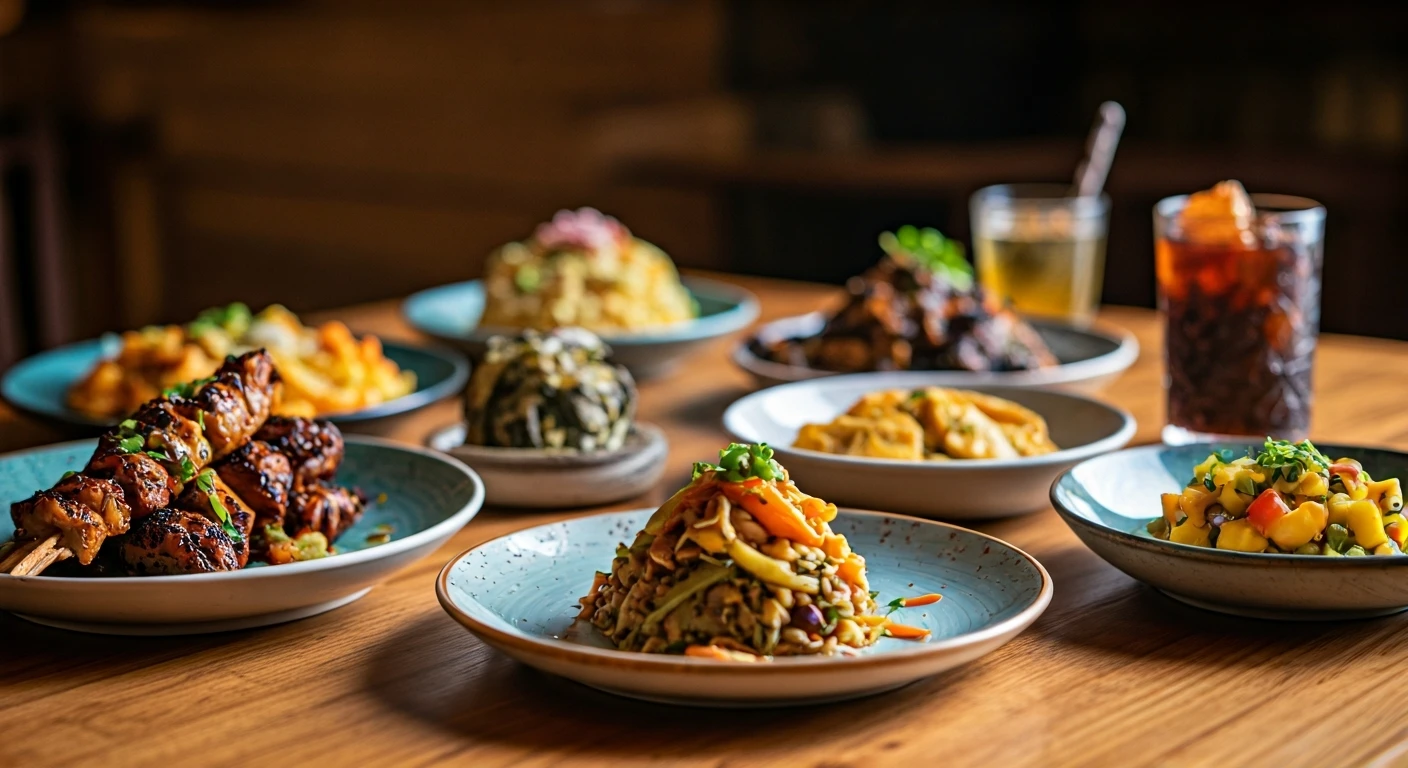
to impress without challenging the palate, was king. But look closely at the city’s recent restaurant openings and buzziest food conversations, and a different story emerges. The new center of gravity isn't in a leather-bound booth downtown; it's in vibrant, casual spots serving the sun-drenched flavors of the Caribbean, the Philippines, and Latin America. It's a culinary shift away from the boardroom and toward the beach, where the goal is no longer just to close a deal, but to find a genuine escape.
A Post-Pandemic Appetite for Escape
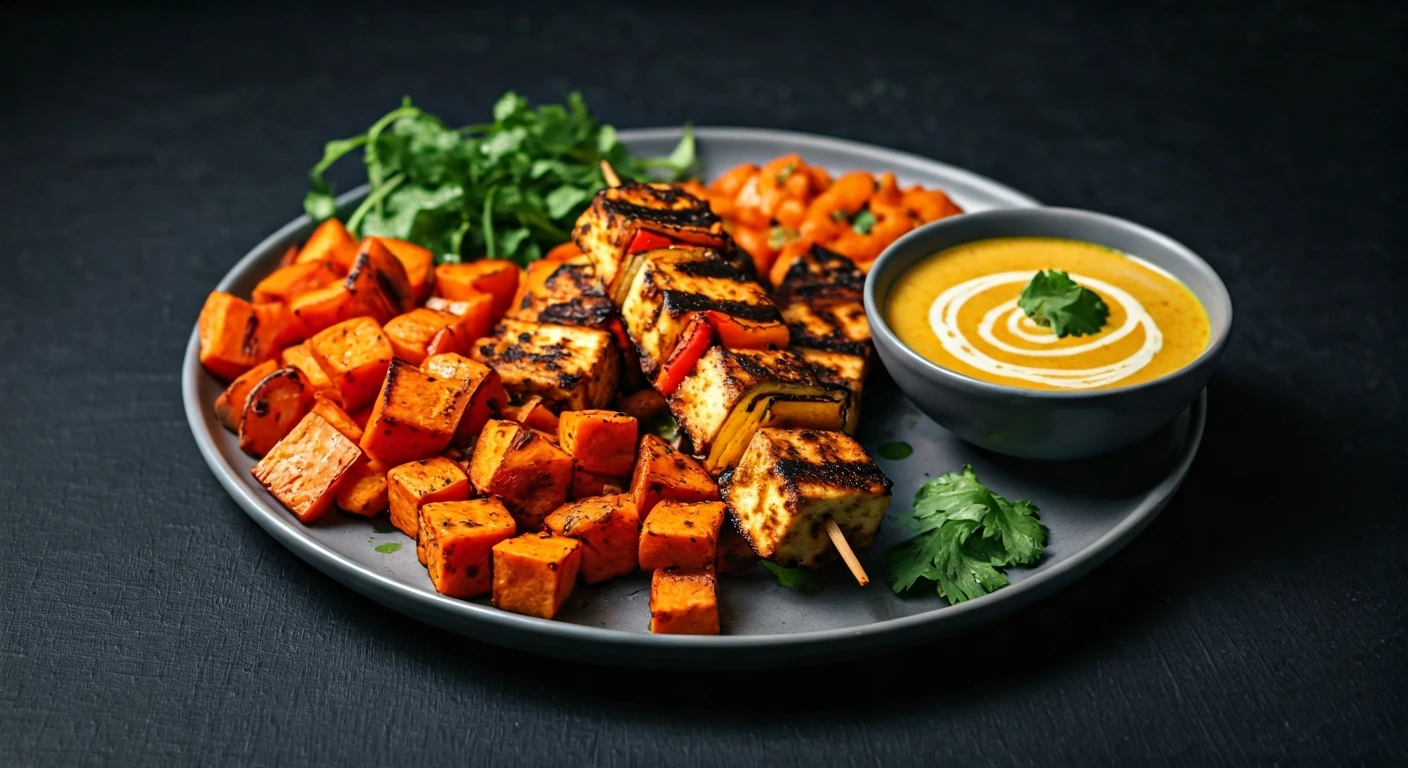
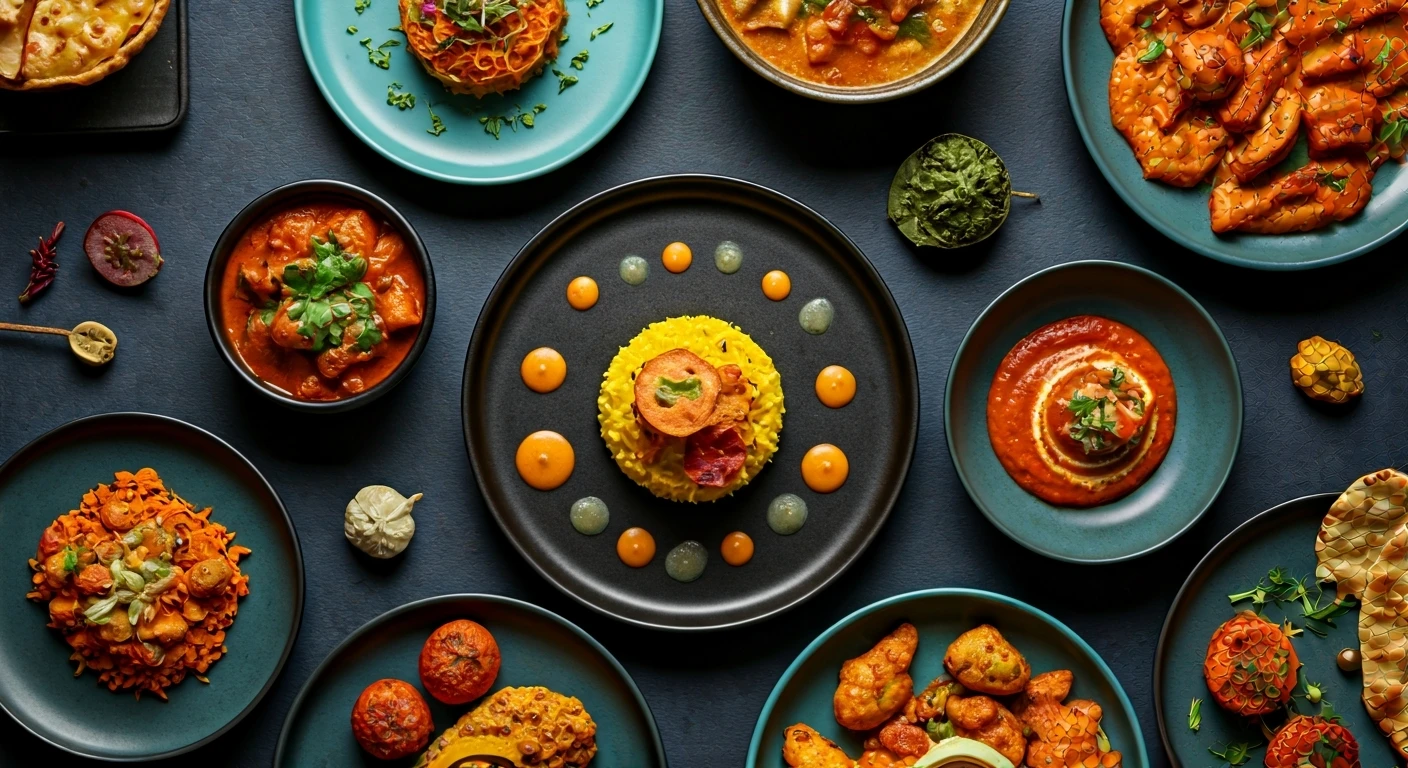
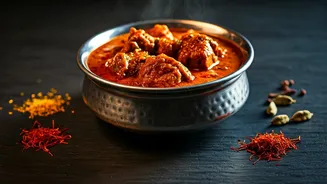
Much of this shift can be traced to a collective post-pandemic restlessness. After years of limited travel and monotonous home cooking, diners are starved for novelty and adventure. For many, a trip to a Trinidadian restaurant for doubles and curried goat, or a visit to a Filipino spot for sizzling sisig, offers a powerful dose of armchair travel. These meals are not just sustenance; they're an experience. They represent a passport stamp for the palate, delivering the complex, spice-laden, and transportive flavors that were inaccessible for too long. Restaurants serving this food understand the appeal, often creating atmospheres that are as much a part of the draw as the menu—full of bright colors, upbeat music, and a laid-back energy that feels miles away from the capital’s buttoned-up demeanor.
The Power of Hyper-Specific Flavors
This isn't just a vague embrace of "tropical" food. The trend is marked by a move toward hyper-specificity, driven by chefs who are confidently cooking the food of their specific hometowns and family traditions. A decade ago, a restaurant might have billed itself as vaguely "Caribbean." Today, it’s proudly Trinidadian, Jamaican, or Puerto Rican. Similarly, instead of generic "Latin" fare, diners are seeking out the distinct regional cuisines of Oaxaca, Mexico, or the specific street food of Colombia. This specificity is a sign of culinary maturity, both for the chefs and the audience. Chefs are no longer watering down their heritage for a perceived mainstream palate. In turn, diners are more educated and curious, eager to learn the difference between mofongo and mangú, or to appreciate the subtle, sour tang of a perfect sinigang.
More Than Just a Meal
Ultimately, the rise of these tropical plates represents more than a fleeting food trend. It signals a deeper cultural evolution in the NCR. For generations, immigrant communities have enriched the region's culinary landscape, but often in neighborhood enclaves far from the mainstream spotlight. Now, a new generation of chefs—many of them first- or second-generation Americans—are claiming their space in the city's premier dining conversations. They are opening restaurants with ambition and vision, earning critical acclaim and attracting diners from every corner of the region. By trading a safe order for a plate of something new, foodies are not just expanding their palates; they are participating in the redefinition of American food, one delicious, daring, and deeply personal meal at a time.