


The Shift from Trinkets to Taste
There’s a quiet revolution happening in our suitcases. Where we once packed them with keychains, shot glasses, and magnets, we’re now leaving room for a bottle of hot sauce, a block of artisanal cheese, or simply the vivid memory of a perfect bite. This
isn't just a foodie obsession; it's a fundamental shift in what we value from travel. In an age of digital clutter and a growing appreciation for experiences over possessions, the tangible, mass-produced souvenir is losing its luster. Why bring home another object to gather dust when you can bring back a story, a flavor, a skill, or a recipe? The modern souvenir is becoming less about proving you were there and more about bringing a piece of the place's soul home with you. A food hunt provides just that—a narrative with a delicious climax.
What Makes a 'Food Hunt'?
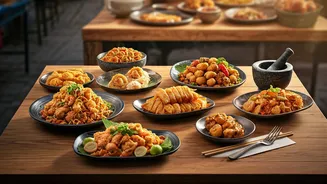
A food hunt is more than just making a dinner reservation. It's an active, immersive pursuit. It’s the decision to drive 45 minutes out of your way in Texas Hill Country because you heard a tiny, family-run spot has the state’s best brisket. It’s wandering the side streets of New Orleans’ French Quarter to find the one bakery that locals swear makes the most authentic beignets. It's about turning a meal into a mission. This quest-based approach transforms you from a passive tourist into an active explorer. You’re not just consuming; you’re investigating. You’re talking to locals, following scents, and piecing together clues from blogs and guidebooks to track down a culinary legend. The meal itself is the reward, but the adventure of the hunt is a huge part of the experience. It creates a stronger memory and a deeper connection to the place you’re visiting.
The Thrill of the Hyper-Local
The most rewarding food hunts are often for things you can’t get anywhere else. It’s not about finding a good burger; it's about finding the definitive green chile cheeseburger in Santa Fe, a dish so tied to its location that it tastes like New Mexico itself. It's about searching for huckleberry pie in Montana in late summer, when the berries are at their peak. It could be a pilgrimage to a specific clam shack on the Maine coast for a lobster roll, or a multi-stop tour of Detroit to decide for yourself who makes the best square-pan pizza. These hyper-local specialties are edible history. They tell a story about a region's agriculture, its immigrant communities, and its culture. By hunting them down, you’re not just eating—you’re participating in a tradition and gaining a richer understanding of your destination.
Bringing the Story Home
The beauty of the food hunt is that the souvenir isn't always ephemeral. Sometimes, you can bring it home. That bottle of small-batch barbecue sauce from Kansas City isn't just a condiment; it's a conversation starter that reminds you of the smoky joint where you discovered it. A bag of coffee beans from a beloved Seattle roaster lets you relive a morning walk through Pike Place Market with every brew. But the best souvenirs might be the ones you can recreate. After tasting the perfect Lowcountry shrimp and grits in Charleston, you might buy a bag of stone-ground grits from a local mill and ask the chef for a tip. The recipe you bring home is more than just instructions; it’s a tangible piece of your journey, allowing you to share the flavor and the story of your adventure with friends and family long after you've unpacked.