








Adopt a Flexible Mindset
Before you book a single flight or hotel, the most important thing to pack is a flexible attitude. Traveling during a region’s rainy season is an exercise in letting go of control. That rigid, hour-by-hour itinerary you perfected for a European city break
won’t work here. You have to accept that nature is in charge. A sudden downpour might wash out your planned trek, a scenic road could be temporarily closed, or a ferry service might be suspended. Instead of seeing these as trip-ruining disasters, view them as invitations to improvise. The unexpected detour might lead you to a charming local cafe, a fantastic museum, or simply an afternoon spent reading a book while listening to the rain—a vacation highlight you never could have planned.
Choose Refundable Bookings
Flexibility in practice starts with your wallet. When booking flights and accommodations, prioritize options that offer free cancellation or easy changes. Many booking platforms now have filters like “free cancellation” that make this simple. While a non-refundable room rate might be slightly cheaper, the peace of mind that comes with a flexible booking is worth the small premium during monsoon season. If a powerful storm is forecast for the island you’re supposed to be on, you'll want the ability to cancel your hotel and stay on the mainland for a few more days without losing your money. This applies to internal flights and major tours as well. Pay close attention to the cancellation deadlines—some might be 24 hours, others a week—and set calendar reminders if needed.
Invest in Smart Travel Insurance
Travel insurance is always a good idea, but for a monsoon trip, it’s non-negotiable. However, not all policies are created equal. You need to read the fine print and find a plan that specifically covers weather-related disruptions. Look for “trip interruption” and “trip cancellation” clauses that name severe weather as a covered reason. This can reimburse you for pre-paid, non-refundable expenses if your trip is cut short or canceled due to a storm. Some premium policies may even cover significant delays, allowing you to claim for meals and a hotel room if you get stuck in an airport overnight. Think of it as the ultimate financial safety net that allows you to make smart, safe decisions without worrying about the cost.
Build a Looser, Hub-Based Itinerary
Instead of a linear trip where you’re constantly moving from one place to the next, consider a “hub-and-spoke” model. Base yourself in a town or city for several days and take day trips from there. This approach is inherently more flexible. If the weather is bad, you can simply postpone your planned excursion to the next day without the logistical nightmare of changing hotels and transportation. It also allows you to have a list of both indoor and outdoor backup activities. Is the beach a washout? Head to the local cooking class you researched. Is the mountain viewpoint completely fogged in? Try that art gallery or temple complex in town. A loose itinerary with a handful of well-researched options gives you the freedom to adapt on the fly.
Pack for Unpredictability
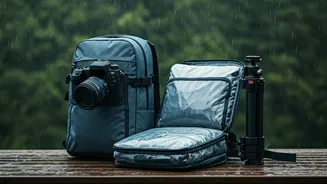
Your packing strategy should mirror your flexible mindset. While a good rain jacket and waterproof shoes are obvious, think beyond that. Choose clothing made from quick-drying fabrics like merino wool or synthetics; cotton will get damp and stay damp for days. Pack a waterproof bag or dry sack not just for your electronics, but to separate wet clothes from dry ones in your luggage. A powerful portable power bank is essential, as storms can sometimes cause power outages. And don’t forget entertainment for a forced-indoor day—download plenty of podcasts, movies, and books to your devices. Finally, throw in an extra pair of socks. Always an extra pair of socks. Being prepared with the right gear means a sudden storm is a minor inconvenience, not a major crisis.