


From Scraps to Staples
The movement to cook with fruit peels isn't just a fleeting TikTok trend; it's the convergence of several powerful ideas. At its core is the zero-waste movement, a growing consciousness about reducing food waste that costs the average American family
hundreds of dollars a year. Why throw away a perfectly usable part of the plant when you can eat it? Chefs in high-end restaurants, long known for their nose-to-tail or root-to-leaf philosophies, have been championing this for years, demonstrating that what we consider scraps are often packed with concentrated flavor, unique textures, and valuable nutrients. Now, thanks to social media and a renewed interest in resourceful home cooking, these techniques are going mainstream. It's a win-win-win: you save money, reduce waste, and unlock a whole new world of culinary creativity.
Citrus Peels: The Fragrant Powerhouse
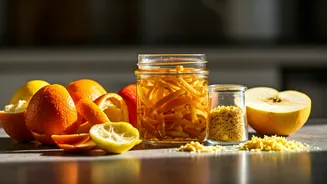
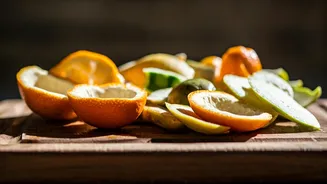
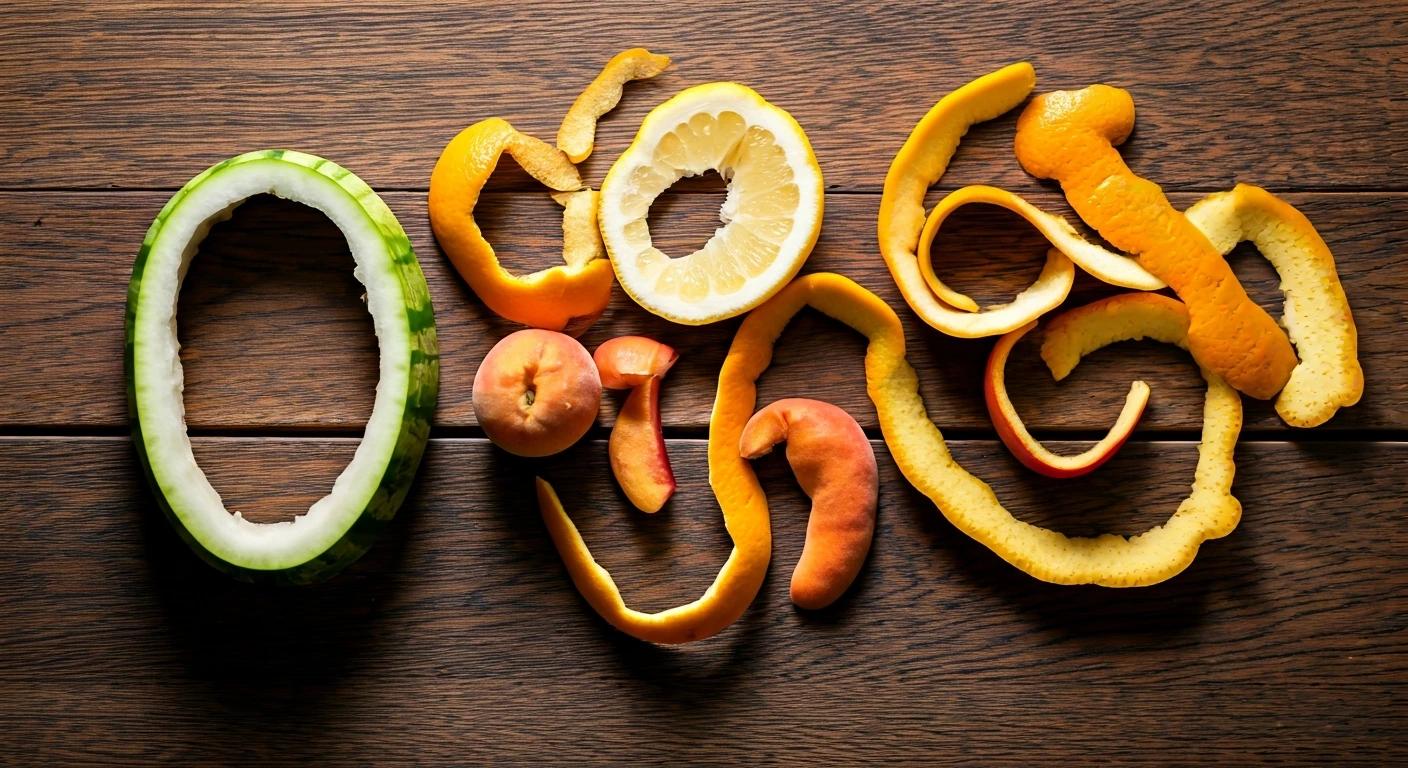
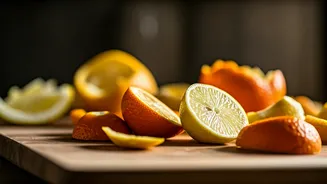
Citrus peels are the gateway drug to the world of scrap cooking. Their vibrant essential oils are bursting with more aromatic intensity than the juice itself. The most classic use is making candied peels—boiling them in sugar syrup until they become tender, chewy, and perfect for decorating cakes or dipping in chocolate. But that's just the start. You can make a bartender's secret weapon called oleo-saccharum by muddling peels with sugar to extract the oils for incredible cocktails. Or, simply toss lemon or orange peels into a jar of olive oil or vinegar to create a custom infusion. Dried and blitzed into a powder, they become a potent seasoning for fish, chicken, or roasted vegetables. Just be sure to remove the bitter white pith for the best flavor.
Banana Peels: The Surprising Savory Star
This is the one that makes people raise an eyebrow, but stick with us. Banana peels, particularly from organic bananas, have a surprisingly meaty texture and a neutral flavor that readily absorbs spices and sauces. The most famous application is banana peel “pulled pork.” After a thorough wash, the peels are boiled to soften them, then shredded with a fork. Sautéed with onions, garlic, and a generous amount of barbecue sauce, the texture becomes uncannily similar to slow-cooked pulled pork, making for a fantastic plant-based sandwich filling. They are also rich in fiber, potassium, and magnesium. It's a prime example of how a little imagination can completely redefine an ingredient we’ve been throwing away our entire lives.
Apple & Pear Peels: Simple, Sweet Comfort
If you've ever peeled a mountain of apples for a pie, you know the pain of seeing all those beautiful skins go to waste. No more. Simmer those apple or pear peels in a pot with a little water, a cinnamon stick, and a touch of sugar to create a delicious, rosy-hued simple syrup. Strain it and use it to sweeten iced tea, flavor oatmeal, or drizzle over pancakes. Another easy trick is to toss the peels with cinnamon and a tiny bit of sugar, then bake them at a low temperature until they're dry and crispy. The result is a crunchy, healthy snack that tastes like the best part of an apple crisp. You can even combine peels and cores to make a flavorful homemade pectin for jams and jellies.
Watermelon Rinds: The Pickle You Didn’t Know You Needed
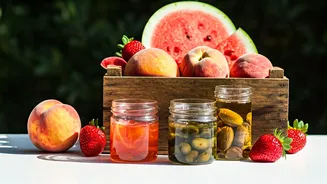
Don't let that thick, white part of the watermelon rind hit the compost. This is a classic Southern tradition that’s finding a new generation of fans. When pickled, watermelon rinds transform into something magical. They lose their raw, vegetal taste and become refreshingly crisp, sweet, and tangy, similar in texture to a cucumber pickle but with their own unique character. The process is straightforward: you peel off the tough green outer skin, cut the white rind into cubes, and brine it in a mixture of vinegar, sugar, and spices like cinnamon, cloves, and star anise. They’re a brilliant addition to a cheese board, a surprising crunch in a salad, or a delicious snack right out of the jar.
A Quick Note on Preparation
Before you dive in, a little prep goes a long way. It's essential to wash all produce thoroughly under running water, using a vegetable brush if you have one. This helps remove dirt and surface residues. Since you're eating the skin, opting for organic produce is a great way to minimize your exposure to pesticides. For citrus, look for unwaxed fruits, or scrub them well in warm water to remove the food-grade wax coating before using the peel.