





The Summer Cooler You've Never Heard Of
Before kombucha had a cult following and electrolyte powders came in rainbow-colored tubs, there was Aam Panna. At its heart, this beloved Indian beverage is deceptively simple: a sweet, tangy, and spiced drink made from the pulp of boiled or roasted
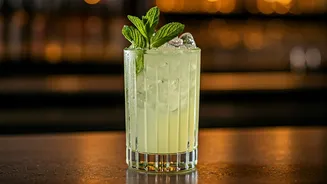
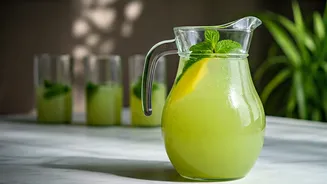
unripe green mangoes. Traditionally prepared in homes across the Indian subcontinent to combat the searing heat of summer, it’s a symphony of flavors. The sharp sourness of the raw mango is balanced by jaggery or sugar, while roasted cumin, black salt (kala namak), and sometimes mint add layers of earthy, savory complexity. It’s not a smoothie, and it’s not quite a juice. It’s a uniquely refreshing cooler, designed for sipping on a scorching afternoon, that tastes like pure seasonal relief.
Nature's Original Sports Drink
The recent attention Aam Panna is getting in wellness circles isn’t just about its unique taste. For generations, it’s been valued as a functional beverage—a delicious home remedy. The drink is a powerhouse of electrolytes, thanks to the combination of raw mango and mineral-rich black salt, making it exceptionally good for rehydration and preventing the effects of heatstroke. Unripe mangoes are also packed with Vitamin C and pectin. In a world before clinical-sounding hydration multipliers, Aam Panna was the go-to for replenishing salts and fluids lost through sweating. It was the original, low-tech, all-natural sports drink, long before the category was ever invented. Its purpose was never just pleasure; it was about practical, seasonal wellness.
The 21st-Century Glow-Up
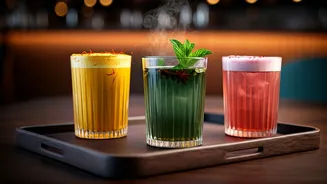
So, what does a “modern wellness glow-up” for Aam Panna look like? It’s a story we’ve seen before with turmeric lattes and ashwagandha-infused smoothies. The core concept remains, but the execution is tailored for a new audience. First, the sugar content is often reduced or replaced with natural alternatives like monk fruit or stevia. Health-conscious creators are blending it with chia seeds for fiber and omega-3s, or adding a sprig of rosemary instead of the traditional mint for an herbal twist. On social media, you’ll find vibrant green Aam Panna popsicles, sparkling mocktails that use Aam Panna concentrate as a base, and even savory glazes for grilled meats. Bottled, artisanal versions are appearing in specialty food stores, positioning it as a sophisticated, healthy alternative to sugary sodas. It's being decoupled from its strictly seasonal roots and marketed as a year-round tonic.
Appreciation, Not Just Appropriation
The journey of a traditional food into the global wellness spotlight is always a tricky one. There's a fine line between appreciation and appropriation. But the Aam Panna trend feels different, perhaps because its functional benefits are so deeply rooted in its original identity. This isn’t about adding a random “superfood” to a smoothie; it’s about recognizing the inherent wisdom in a time-tested recipe. For the Indian diaspora, seeing Aam Panna on a trendy cafe menu in New York or Los Angeles can be a moment of pride—a taste of home being celebrated and shared. It represents a welcome shift where the “wellness” industry is looking beyond its usual sources and embracing the profound knowledge embedded in global food cultures. As long as its origins are honored, this glow-up is less a reinvention and more a reintroduction to a whole new world of admirers.