




Embrace Water-Rich Produce
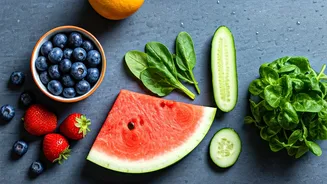
The most intuitive advice is often the best: eat your water. Staying hydrated is the single most important factor in preventing heat-related illness, and you don't have to get it all from a glass. Foods with high water content contribute significantly
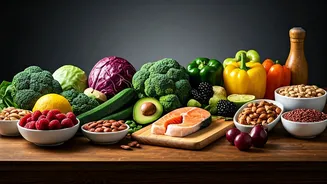
to your daily hydration needs while also providing essential vitamins and minerals. Watermelon, famously over 90% water, is a classic for a reason. It also contains lycopene, an antioxidant that may help protect your skin from sun damage. Other top contenders include cucumbers, celery, strawberries, and bell peppers. Integrating these into your meals and snacks is an easy, delicious way to keep your internal cooling system running smoothly. A crisp cucumber and tomato salad, for example, is far more hydrating than a plate of dry crackers.
The Surprising Science of Spicy Food
It seems counterintuitive to eat a fiery bowl of chili on a sweltering day, but this piece of wisdom from hot climates around the world has a scientific basis. Capsaicin, the compound that gives chili peppers their heat, triggers a response in your body that mimics overheating. Your nerve receptors send a signal to your brain, which then activates your cooling mechanisms—most notably, sweating. As that sweat evaporates from your skin, it produces a cooling effect. This process, called gustatory facial sweating, can actually help lower your core body temperature more effectively than avoiding spice altogether. So, a moderately spicy curry or salsa isn't just a flavor-packed meal; it's a strategic move to help your body regulate its temperature.
Replenish Your Electrolytes Naturally
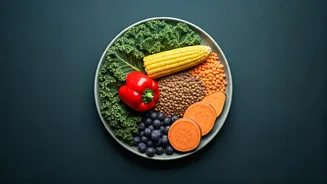
When you sweat, you don't just lose water; you lose critical minerals called electrolytes, like sodium, potassium, and magnesium. These are essential for nerve function, muscle contraction, and maintaining proper fluid balance. Imbalances can lead to cramps, fatigue, and dizziness. Instead of reaching for a sugary sports drink, you can replenish these electrolytes through whole foods. Bananas and avocados are potassium powerhouses. Leafy greens like spinach and Swiss chard are packed with magnesium. A handful of salted nuts or pretzels can help replace lost sodium in a pinch. Even coconut water, a popular natural hydrator, is rich in potassium, making it a smarter choice than many artificially colored beverages.
Go Green with Cooling Herbs
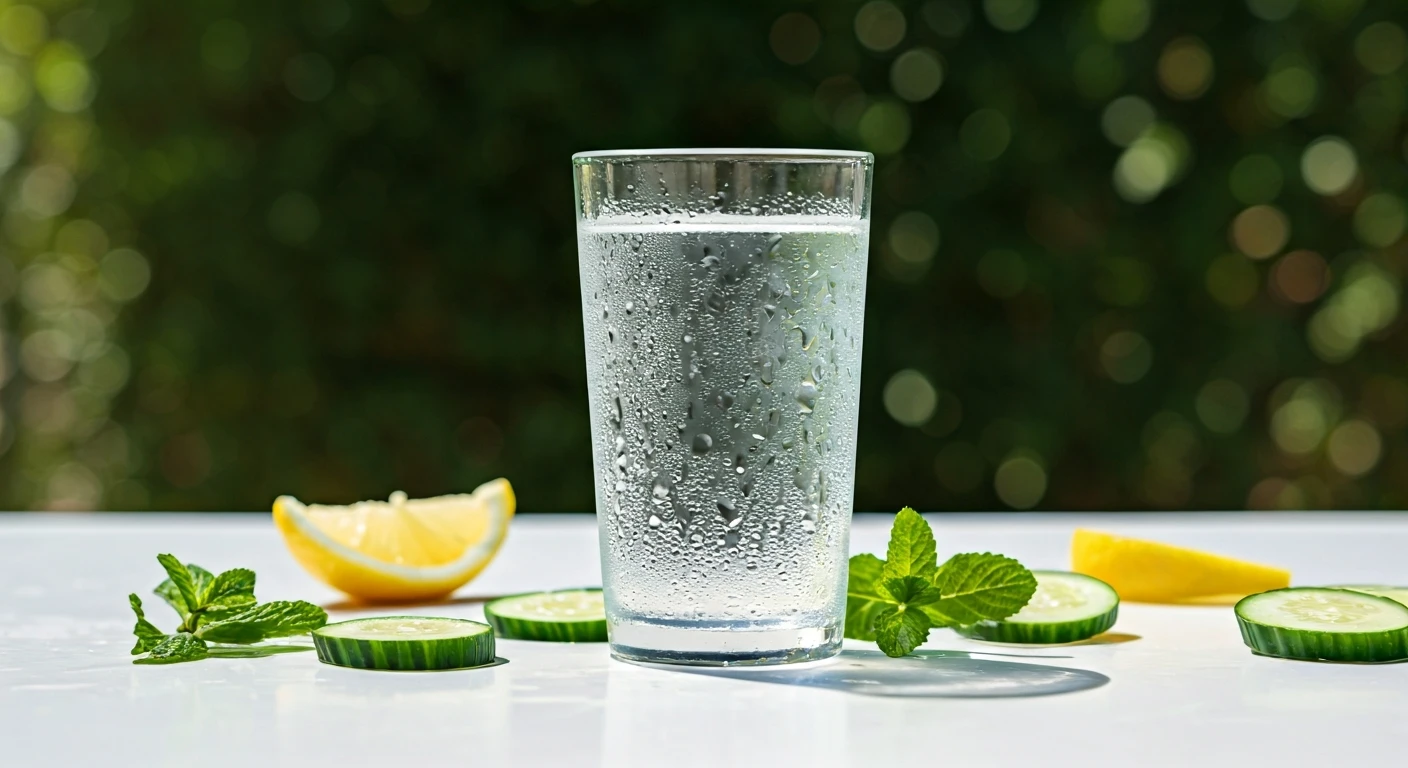
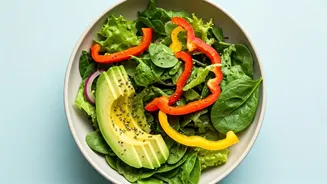
Certain herbs have a cooling effect on the body, both physically and sensorially. Mint is the most obvious example. The menthol in mint activates the same cold-sensitive receptors in your skin that cold temperatures do, creating a physiological sensation of cooling. A sprig of mint in your water or a mint-laced iced tea can feel incredibly refreshing. Other herbs, like cilantro and parsley, are also hydrating and packed with antioxidants. Building meals around large, leafy green salads is another brilliant heatwave strategy. They are high in water, low in density, and easy to digest, so your body doesn't have to work as hard—and generate as much metabolic heat—to process them.
Choose Lighter, Easier-to-Digest Proteins
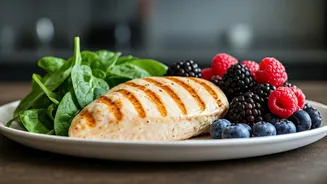
Ever feel sluggish and even hotter after a big, heavy meal? That's the thermic effect of food. Your body expends energy to digest what you eat, which generates heat. Protein-rich and high-fat foods, like a steak or a greasy burger, require more energy to break down, raising your core body temperature in the process. During a heatwave, it's wise to opt for lighter proteins that are easier on your digestive system. Think grilled fish, chicken breast, beans, lentils, or tofu. These provide the energy you need without forcing your internal furnace to work overtime. Small, frequent meals are also better than three large ones, as they keep your digestive system from being overloaded.