






A World Away in the Western Ghats
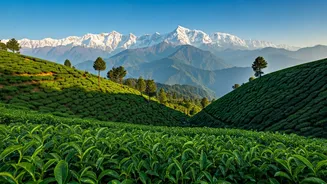
Tucked into the northeastern corner of Kerala, a state known as “God’s Own Country,” the district of Wayanad is a world apart. Part of the Western Ghats, a UNESCO World Heritage Site, this region is a tapestry of emerald-green tea plantations, dense tropical
forests, and aromatic spice gardens. For the American traveler accustomed to national parks, Wayanad offers a different kind of wildness—one that is ancient, inhabited, and deeply intertwined with agriculture. The air here is heavy with the scent of rain-soaked earth, cardamom, and blooming flowers, a potent combination that begins to work its magic the moment you arrive. The landscape itself, with its rolling hills often shrouded in a delicate mist, commands a slower, more deliberate pace of life.
The Sound of Silence (and Nature)
The first thing you notice upon settling into a Wayanad hideaway isn’t what you hear, but what you don’t. The constant, low-grade hum of urban life—traffic, construction, the digital chatter of notifications—vanishes. It’s replaced by a complex, layered soundscape that is both energizing and profoundly calming. Mornings start with a chorus of birdsong, afternoons are punctuated by the buzz of insects and the rustle of wind through bamboo groves, and nights come alive with the chirping of crickets and the occasional call of a distant animal. This sensory shift is a core component of the Wayanad escape. By unplugging from artificial noise and tuning into the natural world, the mind is given a rare chance to declutter and reset, easing the mental fatigue that defines modern stress.
More Than Just a Hotel Room
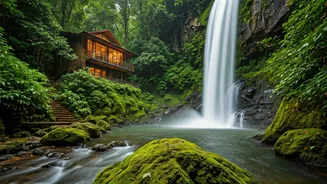
The “hideaways” of Wayanad are central to the experience. Forget conventional hotels with sterile lobbies and endless corridors. Here, accommodations are designed to immerse you in the environment. You can sleep in a rustic-yet-comfortable treehouse built high in the canopy of a jackfruit tree, waking up to eye-level views of monkeys and exotic birds. You can opt for a secluded eco-lodge constructed from local, sustainable materials, where your porch opens directly onto the forest floor. Or you can stay in a heritage bungalow on a working coffee or spice plantation, offering a glimpse into the region’s colonial past and agricultural present. These are not just places to sleep; they are thoughtfully designed sanctuaries that blur the line between indoors and out, making the landscape the main attraction.
An Immersion in Slow Living
The rhythm of Wayanad encourages you to slow down. Days are not structured around a packed itinerary but unfold organically. A typical day might involve a guided trek through the forest, where a local expert points out the medicinal properties of plants and identifies the tracks of a wild boar. You might spend an afternoon touring a spice plantation, learning to distinguish the fragrances of black pepper, cloves, and cinnamon growing on the vine. For the more adventurous, there are ancient petroglyphs to discover in the Edakkal Caves or stunning vistas to be earned atop Chembra Peak. Even doing nothing at all—simply sitting on a veranda with a book and a cup of locally grown tea—feels like a meaningful activity here. It’s an active form of relaxation, rooted in observation and presence.
The Taste of Tranquility
The philosophy of natural, mindful living extends to the food. The cuisine in Wayanad is a highlight, characterized by fresh, locally sourced ingredients. Meals often feature vegetables harvested from an on-site garden, rice from nearby paddies, and fish from local rivers. You’ll taste traditional Keralan dishes like appam (a fluffy pancake made from fermented rice batter) and stew, all seasoned with the very spices grown just steps from your door. Eating here is not just about sustenance; it’s an extension of the connection to the land. It’s another way Wayanad nourishes you, body and soul, leaving you feeling more grounded and whole than when you arrived.