





The New Planning Stressors
A dream trip to Maui or a summer escape to the Greek isles is no longer a guaranteed paradise. In recent years, travelers have found themselves navigating evacuations from wildfires, sweltering through unprecedented heatwaves in Europe, or seeing their
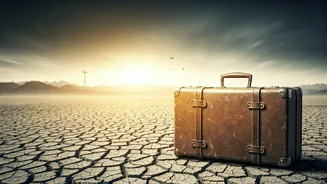
Mississippi River cruise canceled due to historically low water levels. These are no longer isolated incidents but an emerging pattern. Climate-related events are becoming a significant, and often unpredictable, variable in travel. The romantic notion of a carefree getaway is being replaced by a more sober assessment of risk. This new reality means that looking at a 10-day weather forecast is no longer enough; travelers are now considering long-term climate trends and seasonal vulnerabilities when choosing where—and when—to go.
Rethinking 'Summer' Vacation
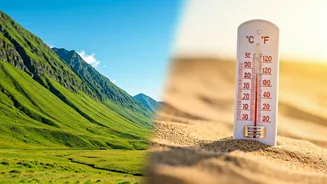
For decades, July and August were the undisputed champions of the travel calendar, especially for trips to Europe and North America. Not anymore. As peak summer months bring scorching, and at times dangerous, temperatures to popular destinations like Italy, Spain, and the American Southwest, savvy travelers are shifting their plans. The result is a boom in “shoulder season” travel. Spring and fall—once considered the domain of budget-conscious travelers and retirees—are becoming the new peak seasons. A trip to Rome in October or the south of France in May offers pleasant weather for sightseeing without the oppressive heat and massive crowds of mid-summer. This shift isn't just about comfort; it's a practical response to the fact that many outdoor activities, from hiking in a national park to exploring ancient ruins, are becoming untenable in 100-degree-plus weather.
The Rise of the 'Cool-cation'
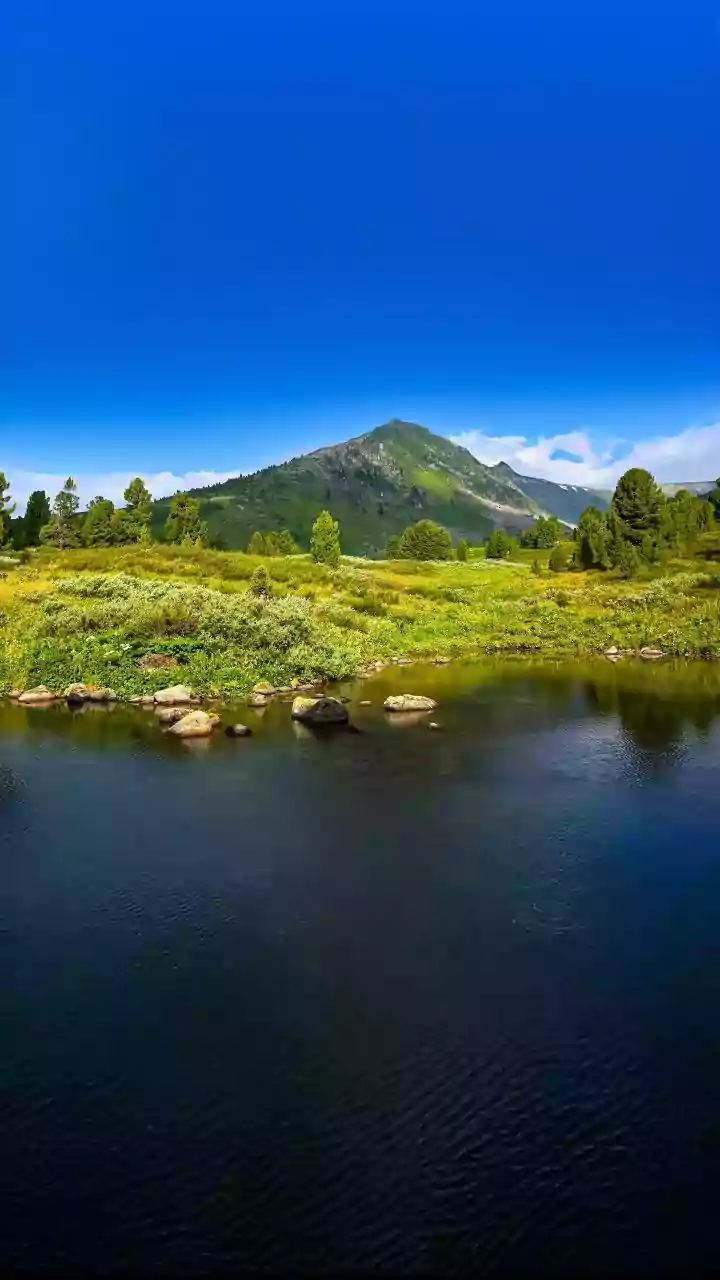
While some are rescheduling their trips, others are rerouting them entirely. Enter the “cool-cation,” a travel trend focused on escaping the heat by heading to destinations with more temperate summer climates. Instead of the Mediterranean, families are looking toward Scandinavia, Ireland, and the Baltics. Within the U.S., destinations in the Pacific Northwest, the Great Lakes region, and New England are seeing a surge in interest from travelers in Texas, Arizona, and Florida looking for a genuine break from the heat. This isn’t just about avoiding discomfort; it’s about finding places where you can actually enjoy being outside. Tour operators are taking note, increasingly marketing destinations like Norway, Canada, and even Alaska as ideal summer escapes for those seeking adventure without the sweat.
Reading the Insurance Fine Print
With increased uncertainty comes a greater focus on protection. But travel insurance is a tricky thing. A standard policy might cover a trip cancellation due to a named hurricane hitting your destination, but it’s unlikely to cover you if you simply decide it’s too hot to travel or if wildfire smoke makes the air quality poor. Fear of a potential event is almost never a covered reason for cancellation. This has led to a surge in interest for more expensive “Cancel For Any Reason” (CFAR) policies. These plans allow you to recoup a significant portion (typically 75%) of your trip cost if you cancel for reasons not covered by standard insurance. Before you buy any policy, it's crucial to read the fine print to understand what is and isn't covered when it comes to weather events, natural disasters, and other climate-related disruptions.
Destinations Are Adjusting, Too
It’s not just travelers who are adapting; the industry itself is being forced to change. Some destinations are actively trying to shift their tourism seasons, promoting the joys of a winter visit over a crowded summer one. In hot climates, attractions are adjusting their hours, encouraging visitors to come early in the morning or late in the evening to avoid the dangerous midday sun—a modern siesta of sorts. Hotels are highlighting their powerful air conditioning and pools, while tour operators are developing more indoor activities, like cooking classes and museum tours, as alternatives to sun-drenched excursions. This is a slow, ongoing evolution, but it’s a clear sign that the global tourism industry understands that business as usual is no longer an option in a warming world.