




Beyond the Tourist Trail
For decades, the story of travel in India was written for outsiders—a well-worn circuit of the Taj Mahal, the palaces of Rajasthan, and the beaches of Goa. But today, the most dynamic explorers of India are Indians themselves. A generation of millennials
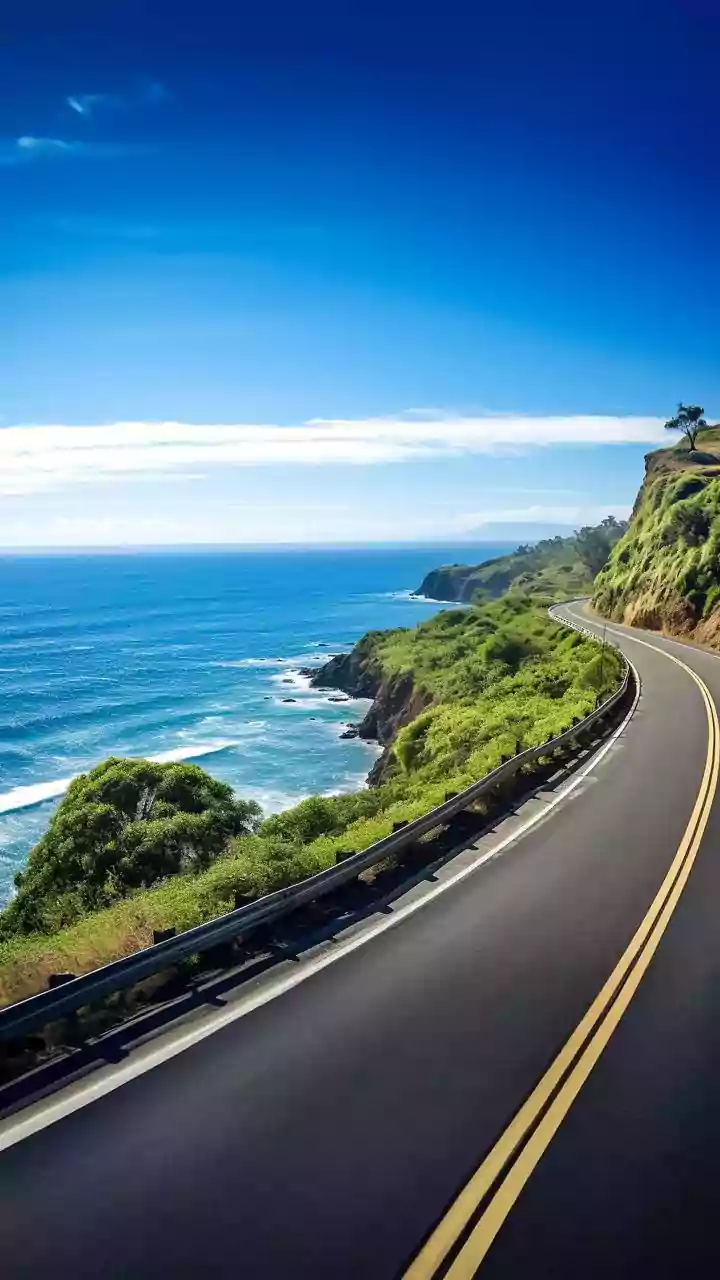
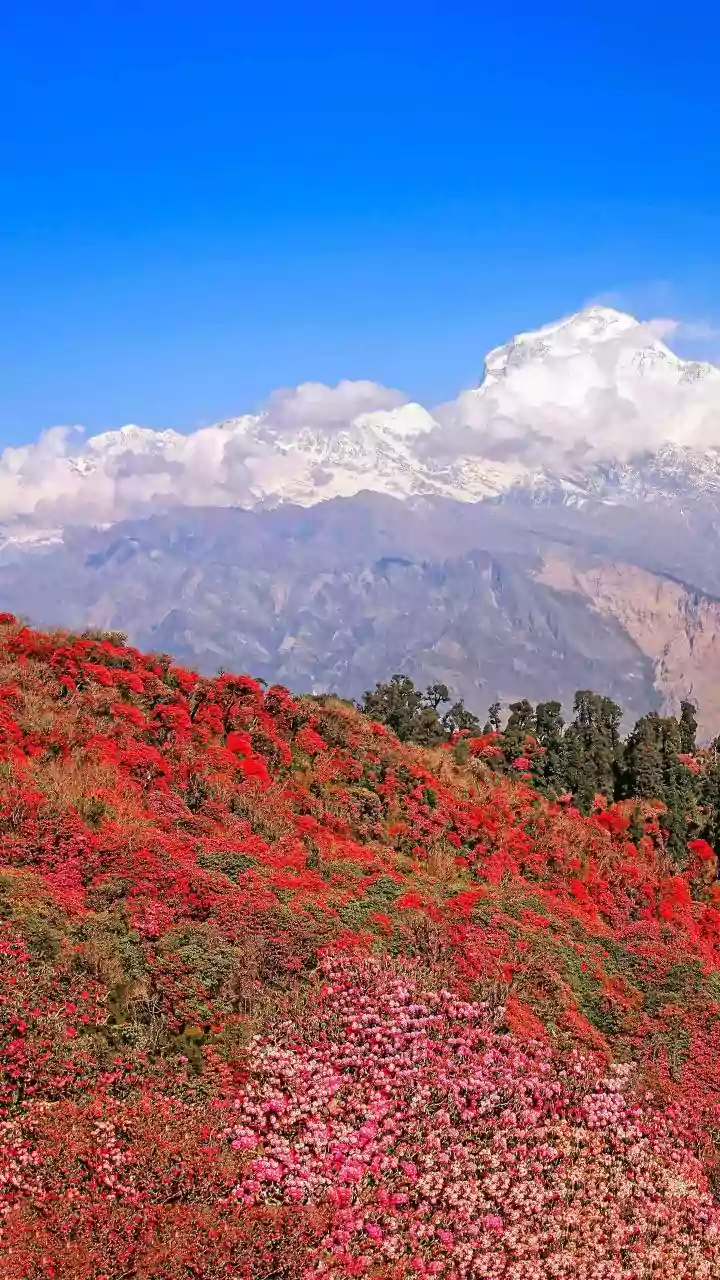
and Gen Z, armed with disposable income and digital savvy, is turning its gaze inward, redefining what it means to see their own country. This isn’t about ticking off landmarks. It’s about driving to a remote music festival in the mountains of Arunachal Pradesh, documenting forgotten stepwells on Instagram, or spending a weekend learning a regional culinary tradition. They are trading five-star hotels for eco-lodges and homestays that offer a genuine connection to a place. This movement is less about vacation and more about a quest for authentic experiences in a rapidly globalizing world. They are creating a new map of India, one drawn with the ink of personal discovery rather than the lines of a Lonely Planet guide.
The Digital and Economic Engine
This cultural curiosity didn't emerge in a vacuum. It’s the direct result of two powerful forces: economic liberalization and the smartphone revolution. Young Indians today are the first generation to grow up in a post-liberalization economy, with greater access to education, better-paying jobs, and more financial independence than their parents ever had. This economic freedom provides the means. The digital boom provides the motive and the method. Ultra-cheap mobile data, arguably the cheapest in the world, has put a universe of information in every pocket. Instead of relying on traditional travel agents, young explorers turn to YouTube vloggers, Instagram influencers, and travel startups that specialize in curating unique, offbeat itineraries. Social media acts as both a catalogue of possibilities and a platform for sharing their own discoveries, creating a powerful feedback loop. A single viral post about a hidden waterfall or a small-town café can turn it into the next must-see destination for a community of like-minded travelers.
A Search for Authentic Roots
While this generation is globally connected, their exploration is increasingly hyperlocal. There’s a palpable sense of rediscovering and reclaiming regional identities that were often flattened by a singular, national narrative. This trend manifests in a renewed appreciation for indigenous crafts, sustainable textiles, and endangered art forms. Young designers are collaborating with rural artisans to create modern fashion from traditional weaves like Ikat and Bandhani. Food bloggers are celebrating the immense diversity of India's regional cuisines, moving far beyond the standard North Indian fare that dominates menus abroad. This isn’t just nostalgia; it’s an active process of cultural preservation and reinterpretation. By seeking out and spending money on these traditions, they are giving them a new lease on life, creating a market for authenticity in an age of mass production. It’s a quiet but firm rejection of the idea that to be modern, one must discard the past.
The New Creative Economy
This wave of cultural exploration is not just a consumer trend; it’s fueling a vibrant new creative economy. The demand for unique experiences is being met by a supply of young entrepreneurs who are themselves part of this generation. They are the ones opening the boutique guesthouses, the farm-to-table restaurants in overlooked towns, and the independent art galleries showcasing local talent. Indie music, once confined to a few clubs in major cities, now thrives at multi-day festivals in scenic, remote locations. Stand-up comedy, delivered in a mix of English and regional languages, has become a powerful medium for social commentary. This grassroots ecosystem is creating jobs and opportunities outside of the traditional tech and manufacturing sectors. It proves that culture itself can be a powerful engine for economic growth, driven by creators and consumers who value storytelling, craftsmanship, and connection over conformity.