
From Generic to Genius
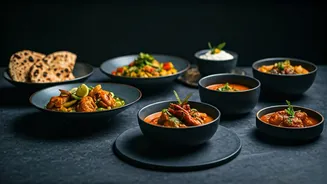
Let's be honest: for a long time, the American experience of Indian food was remarkably uniform. Whether you were in Omaha or Orlando, the menu was a predictable greatest-hits collection of creamy, tomato-based curries, tandoori chicken, and pillowy naan.
It was delicious, comforting, and, for the most part, a simplified, Western-friendly version of North Indian and Punjabi cuisine. This model served a purpose—it introduced a vast, complex culinary tradition to a new audience by making it approachable and consistent. But in doing so, it flattened the incredible diversity of a subcontinent into a single, easily digestible flavor profile. The food was often disconnected from its specific regional roots, presented as a monolith simply labeled "Indian." That era is decisively over. A culinary revolution is underway, and it's being led by chefs who are refusing to compromise.
The Power of the Personal Plate
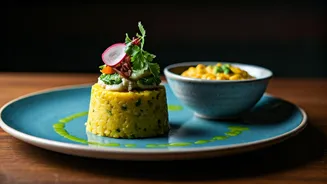
The first major shift is a deep dive into the personal and the specific. Instead of a pan-Indian menu, the most exciting new restaurants are telling a story from a single place, often the very village or state the chef grew up in. Take Semma in New York City, the first Indian restaurant in the U.S. to earn two Michelin stars. Chef Vijay Kumar isn’t cooking generic "South Indian food"; he's cooking the food of his native Tamil Nadu, featuring dishes like nathai pirattal (peppery snails) and Attu Kari Sukka (lamb fry) that you would never find on a standard buffet line. Similarly, the work of chef Chintan Pandya and restaurateur Roni Mazumdar at restaurants like Dhamaka and Adda is rooted in what they call "unapologetic" Indian food. Dhamaka’s menu focuses on the "other side of India"—the rustic, provincial dishes from forgotten villages, cooked with the fire and spice they’d have back home. This isn't just about new recipes; it's about reclaiming identity. It’s chefs finally having the confidence and the platform to say, "This is my food, from my home, cooked my way."
Redefining 'Aspirational'
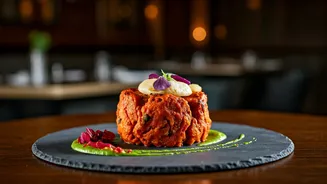
This new wave isn't just about authenticity; it's about ambition. For too long, Indian food, like many immigrant cuisines, was relegated to the cheap-eats category. It was seen as ethnic, hearty, and affordable, but rarely as "fine dining." That perception is being systematically dismantled. Restaurants like Rania in Washington, D.C., offer lavish tasting menus in opulent settings, pairing complex dishes with high-end wine and cocktails. The new Indian dining experience is "aspirational"—it’s a destination, a reservation you plan weeks for, an event. By creating beautiful spaces, investing in sophisticated service, and charging prices that reflect the skill and quality of the ingredients, these restaurateurs are making a powerful statement: this food belongs in the same top-tier category as French, Japanese, or Italian cuisine. It's a demand for respect, not just for the culture, but for the craft.
The Story Is the Main Course
Ultimately, what makes this movement so compelling is that the story is as important as the food. When you dine at one of these establishments, you're not just eating a meal; you're participating in a narrative. Menus come with explanations of a dish's origin. Waitstaff are trained to share the chef's personal connection to a recipe. This is a deliberate choice. It transforms the dining experience from a simple transaction into an act of cultural exchange. The chefs and owners, many of whom are second-generation Indian Americans, are using food as a medium to explore their own heritage and share it with a wider audience. They are bridging the gap between their parents' generation, who may have felt pressure to assimilate, and a new generation that feels empowered to celebrate its roots loudly and proudly. The success of these restaurants proves that American diners are more than ready for it—they're hungry for it.