
Beyond the Buffet Line
There’s a quiet revolution happening in American restaurants. For years, the story of Indian food in the U.S. was one of simplification. A vast, complex, and deeply regional culinary landscape was often flattened into a handful of Northern Indian, Punjabi-style
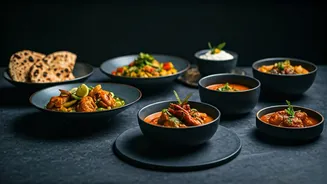
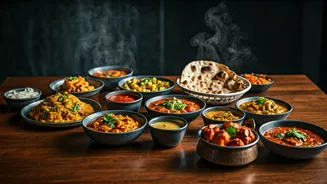
dishes that were palatable and predictable for the American diner. Think creamy sauces, tandoori meats, and endless baskets of naan. While delicious, this menu represented only a sliver of what India’s 28 states have to offer. Now, a wave of ambitious chefs, many of them second-generation or recent immigrants, are pushing back against that homogenization. Instead of asking, “What will Americans like?” they are asking, “What is the food of my home?” This has led to an explosion of restaurants focused on the hyper-specific cuisines of regions like Tamil Nadu, Bengal, Goa, and Maharashtra. The engine of this movement isn’t just a new philosophy; it’s a new focus on ingredients—seasonal, specific, and unapologetically Indian.
The Humble Drumstick's Glow-Up
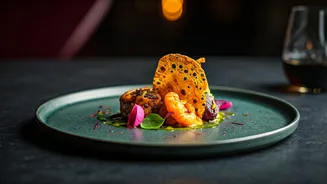
Perhaps no ingredient better represents this shift than moringa, or the vegetable known in India as the “drumstick.” A long, slender green pod, the drumstick is a staple in South Indian homes, beloved for its unique, slightly bitter flavor and often added to lentil stews (sambar) and curries. It’s the kind of vegetable you’d find on a family dinner table, not on a white tablecloth. Until now. At Semma, the first Indian restaurant in New York City to earn a Michelin star for its regional cuisine, Chef Vijay Kumar has made ingredients like the drumstick a core part of his celebrated menu. Here, it’s not an afterthought but the hero of dishes that showcase the rustic, powerful flavors of his native Tamil Nadu. By putting a humble ingredient like moringa in the fine-dining spotlight, Kumar and his peers are re-calibrating what Americans perceive as “valuable.” The luxury isn’t foie gras or truffle; it’s authenticity, seasonality, and the story behind a vegetable that has nourished a culture for centuries.
Not Just a Meat Substitute
Another ingredient getting a major rebrand is jackfruit. In the U.S., it’s best known in its ripe, sweet form or as a canned, stringy meat substitute for vegan pulled pork. But in India, raw, unripe jackfruit (or 'kathal') has a long culinary history as a hearty, savory vegetable. It’s used in complex curries, pickles, and biryanis, offering a firm, meaty texture that stands up to bold spices. Chefs like Chintan Pandya of the Unapologetic Foods group (Dhamaka, Semma, Adda) are reintroducing jackfruit in its traditional context. On their menus, you won’t find it masquerading as pork. Instead, you’ll find it starring in robust, provincial dishes that celebrate its inherent qualities. This act of culinary reclamation is powerful. It disconnects the ingredient from the Western gaze that defines it as a “substitute” and recenters it within its own rich tradition, showing diners its true, versatile potential.
Chefs as Cultural Storytellers
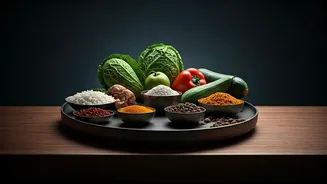
This ingredient-first approach is about more than just flavor; it's about narrative. These chefs see themselves as cultural ambassadors and storytellers, using their menus to transport diners to a specific place and time. They are sourcing seasonal greens like fenugreek leaves (methi) for winter dishes, celebrating humble gourds that are staples in Indian households, and showcasing regional chiles that offer more than just heat. This requires building new supply chains, educating diners, and having the confidence to serve food that isn’t trying to be anything other than what it is. The success of these restaurants proves that American diners are more than ready. They are craving specificity, novelty, and, most of all, a genuine connection to the food they eat. The generic “curry house” isn’t going away, but it’s no longer the only story being told.