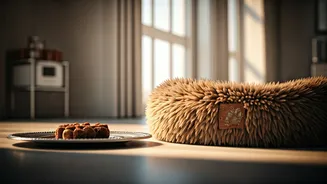










From Guard Dog to Fur Baby
For generations, the concept of a 'pet' in many parts of India was largely functional. Dogs guarded the home, and cats managed pests. They lived outdoors and ate leftovers. While deep affection for animals is a cornerstone of Indian culture, the Western-style
'pet-as-family-member' was an urban-elite phenomenon. That is rapidly changing. A major cultural shift, driven by a new generation of Indians, is redefining the human-animal bond. Today, a growing number of urban Indians see themselves not as pet owners, but as 'pet parents.' This linguistic change is at the heart of a massive economic and social transformation. The new vocabulary comes with new behaviors, new expectations, and an entirely new market for pet-centric products and services that would have been unimaginable just a decade ago.
The New Anatomy of Care
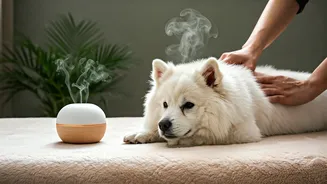
So, what does this 'upgraded' care look like? It goes far beyond a simple bowl of kibble. The market is now flooded with options that mirror human wellness trends. Subscription boxes deliver curated toys and organic treats. Fresh, human-grade pet food services, some offering customized meal plans based on breed and health needs, are gaining traction in major cities. The wellness industry has also expanded to include four-legged clients. Pet spas offer blueberry facials and 'pawdicures.' Hydrotherapy sessions help older dogs with arthritis. Pet-specific health insurance is becoming a popular way to manage the rising costs of advanced veterinary care, which now includes everything from complex surgeries to animal oncology. It’s a world where pet birthday parties, complete with custom cakes and invited canine guests, are no longer a novelty but a common sight on social media feeds.
What's Driving the Change?
This isn't just about affection; it's a trend fueled by powerful demographic and economic forces. First, rising disposable incomes among India's expanding middle and upper-middle classes mean there's more money to spend on discretionary items, and pets are a major beneficiary. Second is urbanization. As millions move to cities for work, they often live in smaller apartments, far from extended family. A pet offers companionship and a sense of family in an often-isolating urban environment. This is particularly true for millennials and Gen Z, many of whom are delaying marriage and children, choosing instead to pour their nurturing instincts and financial resources into their pets. This 'pet humanization' is further amplified by global media and social media influencers, which provide a window into pet-centric lifestyles in the U.S. and Europe.
A Global Trend with a Local Twist
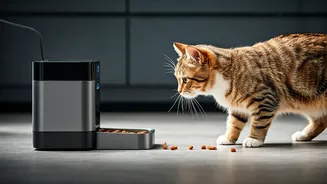
While the pet humanization trend is global, it's taking on a distinctly Indian flavor. Entrepreneurs are creating products tailored to the local market. For instance, given the large number of vegetarians in India, several companies have launched successful vegetarian dog food and treat lines. Ayurvedic and herbal wellness products for pets, drawing on traditional Indian medicine, are also gaining popularity. Moreover, the startup ecosystem has exploded with 'pet-tech' companies offering everything from GPS trackers to apps that connect pet parents with walkers, sitters, and veterinarians. This isn't just a copy-paste of the American model; it’s an adaptation that reflects local tastes, cultural norms, and economic realities, creating a unique and dynamic market.