





Not Your Freezer's 'Cooling'
Before we dive in, let's clarify. When Traditional Chinese Medicine (TCM) or Ayurveda talk about “cooling” foods, they aren't referring to the reading on a thermometer. Instead, they're talking about a food’s energetic effect on the body. In TCM, it's
about balancing yin (cool, moist) and yang (hot, dry). In Ayurveda, it's about pacifying the “pitta” dosha, the fiery principle associated with heat and metabolism. The modern wellness industry, always searching for holistic and natural solutions, has latched onto this ancient wisdom. The idea is that by eating certain foods, you can help your body manage internal heat, reduce inflammation, and feel more balanced, especially during hot weather or periods of stress.
Cucumber: The Obvious Choice
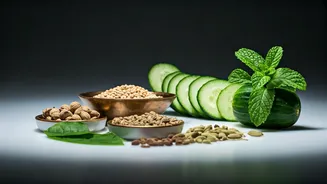
It’s no surprise that cucumbers top the list. Their high water content (about 95%) makes them incredibly hydrating, which is a key part of staying cool. In traditional systems, they are prized for their ability to clear heat and detoxify. In the modern wellness sphere, you see this in action everywhere. From spas placing cucumber slices on tired, puffy eyes to influencers adding it to their “detox water,” the cucumber’s reputation as a cooling, cleansing powerhouse is well-established. It’s a simple, accessible food that perfectly embodies the principle.
Watermelon: Summer's Sweet Relief
Like cucumber, watermelon is a hydrating superstar. In TCM, it’s considered a go-to for clearing “summerheat,” a term for ailments caused by hot weather. It's believed to cool the body, soothe irritability, and quench thirst on a deeper level than just drinking water. Beyond the picnic blanket, watermelon has found its place in wellness with products like watermelon-infused skincare and cold-pressed juices marketed for hydration and recovery. Its natural sugars provide a quick energy boost, while its cooling properties help you feel refreshed from the inside out.
Mint: The Refreshing Herb
Think of the feeling you get from a minty stick of gum—that instant, cooling sensation. That's mint's energetic signature. Both Ayurveda and TCM use mint to disperse heat, particularly from the head and chest. It's why a cup of mint tea can feel so soothing even when it’s served hot; the herb’s cooling properties work independently of the liquid's temperature. Today, you’ll find mint essential oil promoted for headache relief and its leaves muddled into everything from wellness tonics to green smoothies for a refreshing kick.
Yogurt: The Probiotic Cooler
In many cultures, particularly in India and the Middle East, yogurt is a staple for managing heat. A cooling lassi (a yogurt-based drink) or a side of raita (a yogurt and cucumber dip) is a traditional accompaniment to spicy, “heating” meals. Ayurveda values yogurt for its ability to soothe the digestive system, which can often get agitated in hot weather. The modern wellness angle focuses on its probiotic content for gut health, but its traditional role as a cooling, balancing food is getting renewed attention, especially as an alternative to dairy-free trends for those who tolerate it well.
Mung Beans: The Cleansing Legume
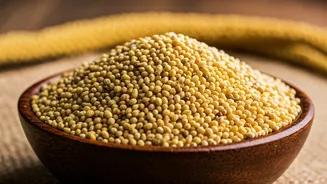
Perhaps the least known on this list in the West, mung beans are a cornerstone of Ayurvedic and Chinese dietary therapy. They are celebrated for their ability to clear heat and toxins from the body, making them a key ingredient in traditional cleansing diets. Mung beans are often made into a soupy dish called kitchari in Ayurveda or a sweet soup in China, both consumed to restore balance. As interest in gentle detoxes and plant-based protein grows, mung beans are slowly gaining wellness cred in the U.S. as a nutrient-dense, easy-to-digest, and energetically cooling food.