






What is Ekadashi, Anyway?
Before diving into the specifics of Parama Ekadashi, it helps to understand the basics. In the Hindu lunar calendar, 'Ekadashi' simply means 'the eleventh day.' It occurs twice a month, on the eleventh day of both the waxing (Shukla Paksha) and waning
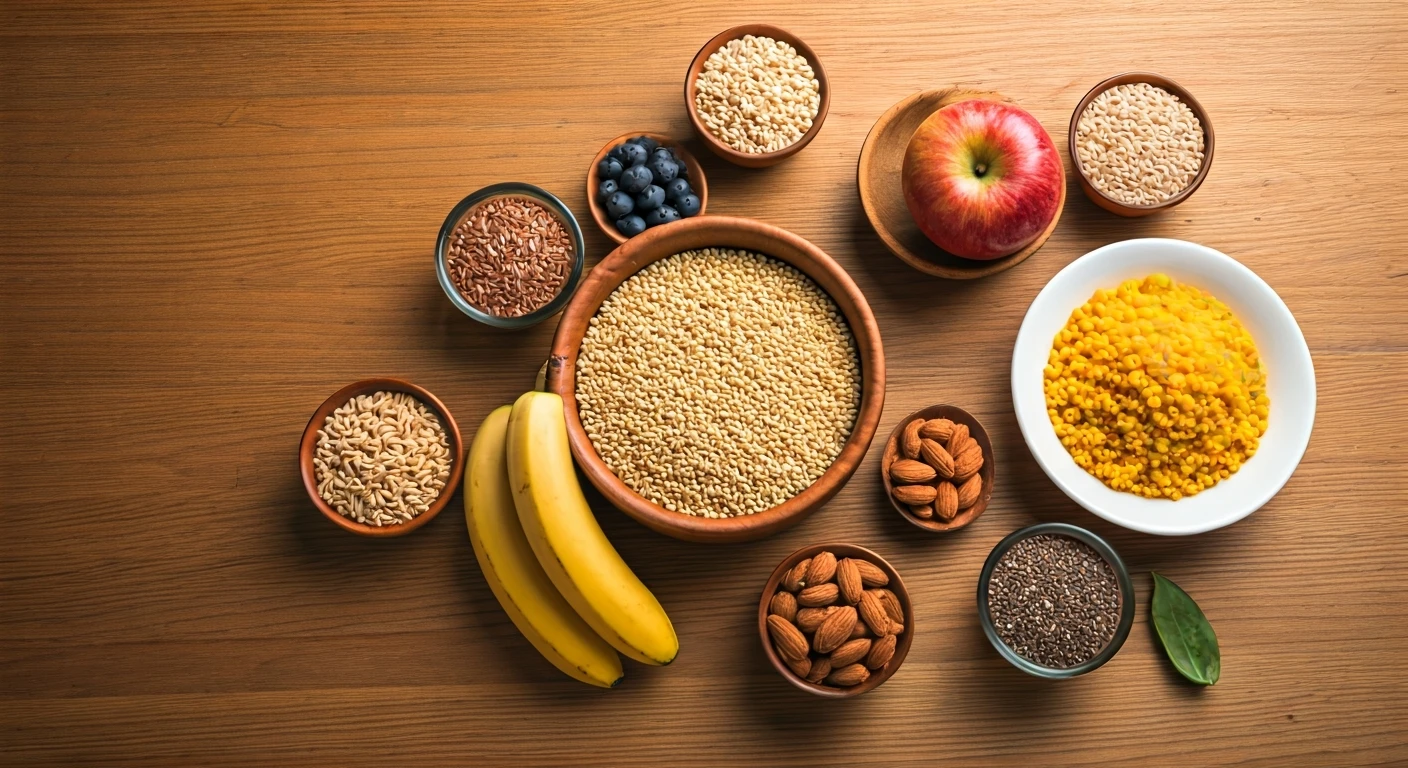
(Krishna Paksha) lunar fortnights. For devotees, particularly followers of Vaishnavism, these days are considered spiritually potent and are dedicated to Lord Vishnu, the preserver of the universe. The most common observance on any Ekadashi is fasting. This isn't just about abstaining from food; it's seen as a way to detoxify the body and focus the mind, channeling physical discipline into spiritual awareness. Grains and beans are typically avoided, with many observing a strict fast from sunrise to the next day's sunrise.
A Rare 'Extra Month' Occasion
What makes Parama Ekadashi so special is its rarity. It doesn't happen every year. Instead, it falls only during a specific astronomical event called 'Adhik Maas' or 'Purushottam Maas'—an intercalary or 'extra' month that is inserted into the Hindu lunar calendar roughly every three years to keep it aligned with the solar year. Think of it as a spiritual leap month. This entire month is considered highly auspicious for prayer, charity, and self-purification. Parama Ekadashi, occurring during the dark fortnight of this bonus month, is seen as one of its most powerful days. Its infrequency elevates its status, making it a highly anticipated occasion for sincere devotees seeking to deepen their spiritual practice.
Fasting, Prayer, and Quiet Devotion
The mood of Parama Ekadashi is defined by its practices, which are overwhelmingly personal and inward-facing. Unlike Diwali's lamps or Holi's colored powders, the rituals here are subtle. The centerpiece is a rigorous fast, often lasting for five days (Panch-ratri), centered around the Ekadashi itself. Devotees spend their time in prayer, chanting mantras dedicated to Lord Vishnu, and reading sacred texts like the Bhagavata Purana. Another key practice is the 'jaagran,' an all-night vigil spent in worship, symbolizing the triumph of spiritual awareness over physical needs like sleep. Charity is also central. Donating to those in need, especially during this period, is believed to multiply spiritual merit. It’s a festival celebrated not with fireworks and fanfare, but with silence, scripture, and service.
The 'Softer Mood' Explained
So, what creates this 'softer festive mood'? It’s the profound shift from public spectacle to private devotion. Parama Ekadashi isn't about celebrating with your community in the town square; it's about connecting with the divine in the quiet sanctuary of your own home and heart. The focus on austerity—fasting, vigil, and simple prayers—strips away external distractions. In a world saturated with constant noise and stimulation, this observance offers a built-in spiritual retreat. It provides a framework for hitting the pause button, turning inward, and examining one's own spiritual progress. The joy derived from Parama Ekadashi isn't the boisterous happiness of a party, but the serene contentment that comes from self-discipline and a feeling of closeness to a higher power.