




Fermentation Gets Funky
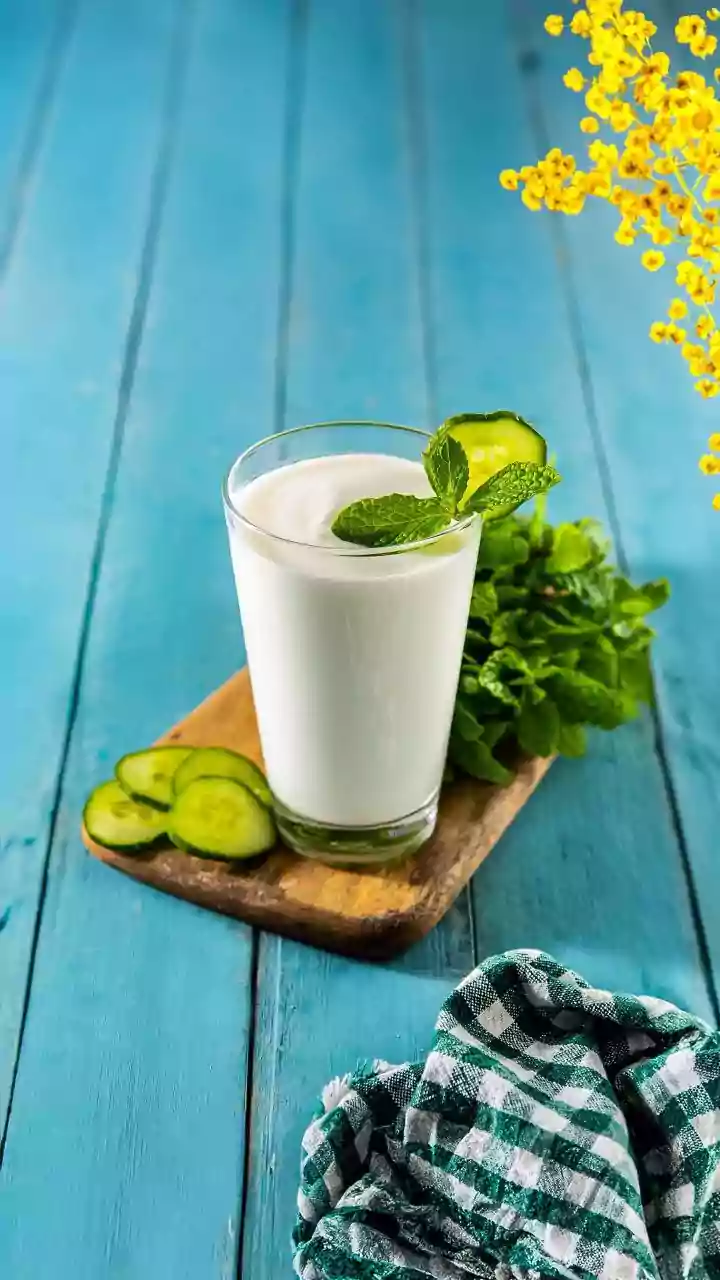
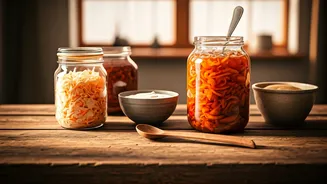
The tang of kombucha, the spicy kick of kimchi, the creamy goodness of kefir—fermented foods are officially mainstream, and for good reason. For centuries, cultures around the world have used fermentation to preserve food, but we’re now fully embracing
its benefits for flavor and gut health. The process creates complex, savory, and sour notes that can elevate any dish. More importantly, it cultivates probiotics, the beneficial bacteria that support a healthy digestive system. This isn't your grandma's sauerkraut (unless she made a really great batch). Think about adding a dollop of miso to your salad dressing, topping your tacos with kimchi, or starting your day with a yogurt parfait. It’s an easy way to pack a punch of flavor and function.
The Global Spice Cabinet
Step away from the salt and pepper shakers. The modern healthy kitchen is borrowing liberally from the global spice rack, proving that flavor doesn’t have to come from fat or sugar. Spice blends like Middle Eastern za’atar (a mix of thyme, sesame seeds, and sumac) add a bright, earthy flavor to roasted vegetables and grilled meats. Korean gochujang, a fermented chili paste, delivers a sweet, savory, and spicy depth to marinades and soups. North African harissa provides a smoky heat that transforms simple eggs or grain bowls. These ingredients aren’t just about making food taste good; they’re often packed with anti-inflammatory and antioxidant compounds, turning your spice cabinet into a wellness toolkit.
Functional Sips and Sprinkles
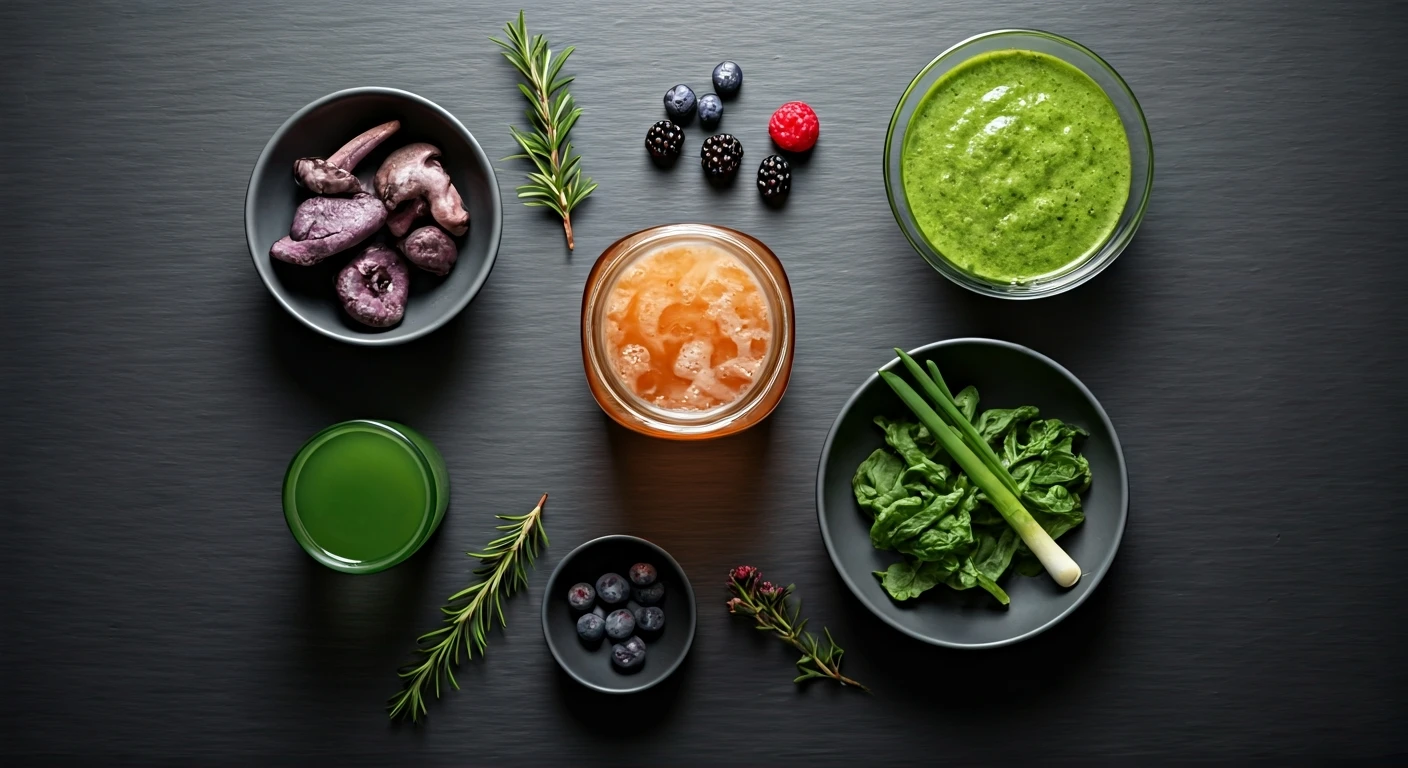
Have you noticed mushrooms popping up in your coffee? Or seen ashwagandha listed in a smoothie? Welcome to the world of functional ingredients and adaptogens. These are herbs, roots, and fungi believed to help the body manage stress and find balance. While they've been used in traditional medicine for millennia, they are now being incorporated into everyday products. Powders from reishi or lion's mane mushrooms are being added to lattes for cognitive support, while ashwagandha is blended into wellness shots to promote calm. The key here is that brands are making them accessible and palatable, turning what could be an intimidating trip to the herb store into a simple, tasty addition to your daily routine.
Plant-Based Gets an Upgrade
The first wave of plant-based eating was about imitation—making a veggie burger that tasted as close to beef as possible. The new wave is about celebration. Chefs and home cooks are no longer trying to hide the vegetables; they’re making them the star of the show. We’re seeing an explosion of creativity with whole foods. Think roasted carrots with a tahini-dill sauce, jackfruit tacos that are smoky and savory in their own right, or creamy pasta sauces made from cashews or butternut squash. This trend is less about being strictly vegan and more about being “plant-forward,” where vegetables, legumes, and grains take center stage because they are delicious, versatile, and packed with nutrients, not just because they are a substitute for meat.
Sweetness, Reimagined
The war on sugar has a delicious new front: natural, nuanced sweetness. Instead of relying on refined white sugar or artificial sweeteners with a chemical aftertaste, people are turning to whole-food sources. Dates and date paste provide caramel-like sweetness and fiber to baked goods and smoothies. Monk fruit and allulose are gaining popularity as zero-calorie sweeteners derived from natural sources that don't cause the same blood sugar spikes as table sugar. Even hot honey, infused with chili flakes, is having a moment, showing that sweetness can be complex and complementary. This trend is about satisfying a sweet tooth in a more thoughtful, less processed way, adding nutritional value instead of just empty calories.