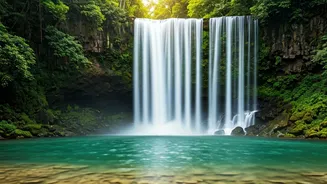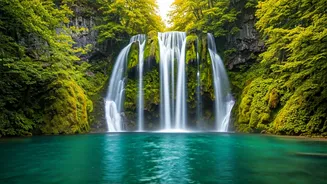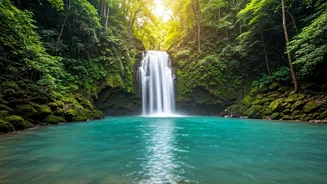

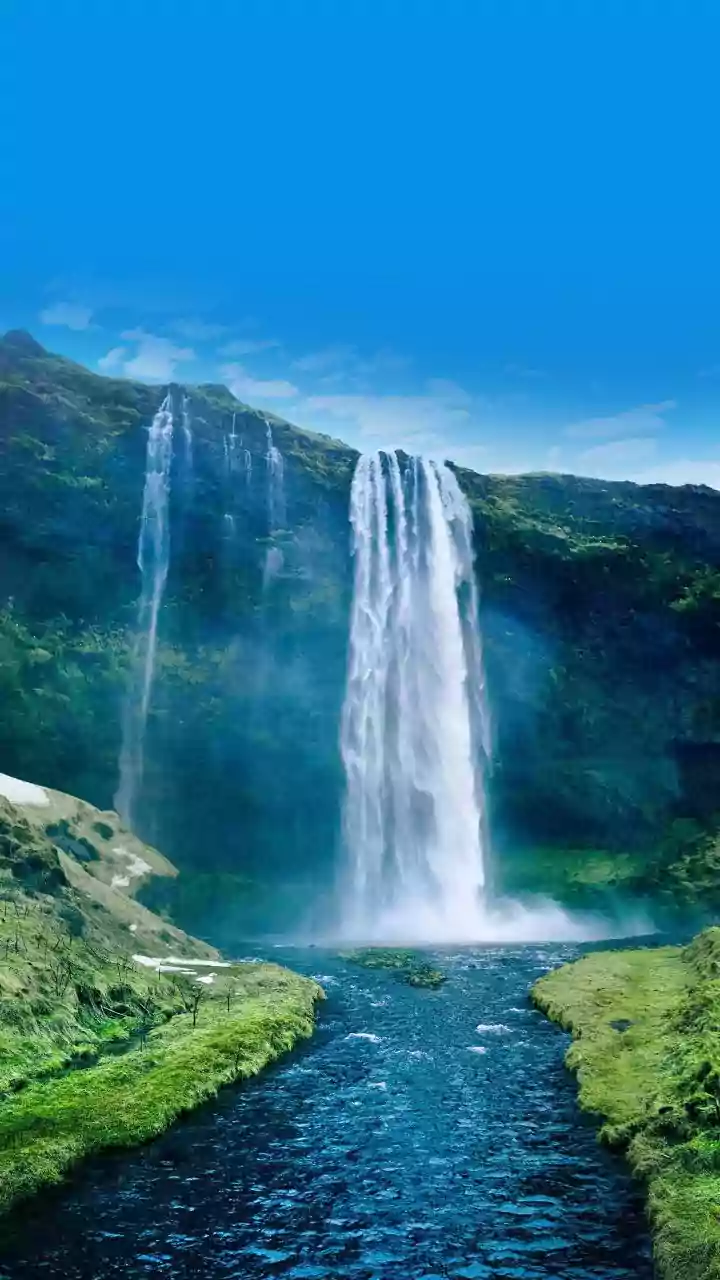

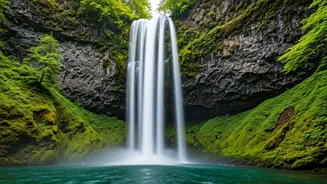



The Allure of Rushing Water
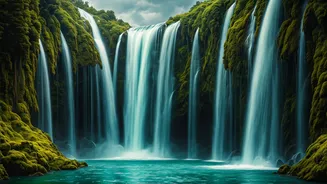
There's a reason we’re drawn to waterfalls. It’s more than just a pretty sight; it’s a powerful sensory experience. The constant, thunderous roar drowns out mental chatter. The cool mist that hangs in the air offers a physical refresh on a warm day. Scientists
and wellness experts often talk about the concept of “blue space”—the calming, meditative effect that bodies of water have on our brains. Unlike the passive tranquility of a lake, a waterfall offers a display of raw, dynamic power that commands your full attention. In an age of endless digital pings and constant connectivity, the sheer force of a waterfall is an undeniable anchor to the present moment. You can’t scroll through your phone when you’re mesmerized by tons of water crashing onto rocks below. This forced mindfulness is a huge part of the appeal. It’s an escape that doesn’t require a plane ticket or a silent retreat, just a drive and a willingness to follow the sound of water.
More Than Just a Photo Op
While waterfalls are undeniably photogenic—fueling a #waterfallchasing movement across social media—the trend runs deeper than just bagging the perfect shot for Instagram. The “waterfall weekend” is about the entire journey. It’s the scenic drive through winding country roads, the anticipation building on the trail, and the satisfaction of the final reveal. It transforms a simple hike into a treasure hunt with a spectacular prize at the end.
This makes it an incredibly accessible form of adventure. You don’t need specialized gear or expert-level fitness for many of the most beautiful falls. From roadside pull-offs in the Blue Ridge Mountains to easy, family-friendly loops in state parks across the Midwest, there's a waterfall experience for nearly every ability level. It’s a low-cost, high-reward activity that encourages picnics, exploration, and making memories that exist far beyond a camera roll.
How to Plan Your Perfect Trip
Jumping on this trend is easy. First, find your destination. Apps like AllTrails and The Dyrt are indispensable, offering user reviews, trail conditions, and photos that help you know what to expect. Don’t overlook your local or state park websites, which often feature maps and highlight their most popular water features.
Next, consider your timing. Spring is often the best season, as melting snow and seasonal rains create the most dramatic flows. However, a summer visit can offer a chance to wade in the pools at the base of some falls. To avoid the biggest crowds, try to go on a weekday or get an early start on a Saturday morning. Finally, pack smart but light. The essentials include sturdy, waterproof footwear (trails can be slick), plenty of water, some high-energy snacks, a portable phone charger, and a small backpack to carry it all. A light rain jacket is also a good idea, as it can double as protection from the waterfall’s spray.
An Adventure Waiting in Every State
One of the best parts about waterfall weekends is that they aren't exclusive to one region of the country. The U.S. is teeming with them. The Pacific Northwest is legendary, with places like Oregon’s Columbia River Gorge boasting dozens of iconic cascades like Multnomah Falls. In the Southeast, the Great Smoky Mountains National Park is a treasure trove, with popular hikes leading to Grotto, Laurel, and Rainbow Falls.
But the options don’t stop there. Upstate New York’s Finger Lakes region is defined by its stunning gorges and falls, including those at Watkins Glen and Taughannock Falls State Park. Even states you might not expect have hidden gems. Hocking Hills State Park in Ohio features the beautiful Cedar Falls, while Texans flock to the ethereal Hamilton Pool Preserve near Austin. A little research will almost certainly reveal a spectacular waterfall closer to you than you think.