








1. The Old City's Living History
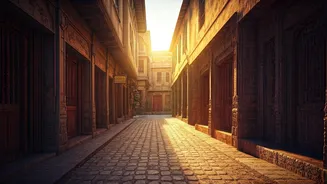
Forget manicured lawns and silent museums. The real history of India is loud, chaotic, and wonderfully alive in the labyrinthine lanes of its old cities. A heritage walk through Delhi’s Chandni Chowk or Kolkata’s North Calcutta isn’t about viewing artifacts
behind glass; it's about stepping into a time machine. In Delhi, you’ll navigate a maze of wires overhead as you follow your guide past centuries-old havelis (traditional mansions) crumbling with dignity, dodge carts piled high with fragrant spices in Khari Baoli, Asia's largest spice market, and listen to stories of Mughal emperors and British colonists that still echo in the architecture. In Kolkata, you might explore the potters' quarter of Kumartuli, where artisans sculpt deities from river clay, or trace the city’s intellectual and revolutionary past through its faded but grand colonial-era buildings. These walks reveal an India where the past isn’t a separate chapter but an active character in the story of the present.
2. The Story of a Misunderstood Community
The word “slum” often conjures images of poverty and despair, but a guided walk through Mumbai’s Dharavi tells a radically different story. Led by residents, ethical tours run by organizations like Reality Tours & Travel focus on the area’s incredible spirit of industry and community. Dharavi is not a place of idle hands; it’s a bustling economic engine with an estimated annual turnover of over $1 billion. Walking through its narrow corridors, you’ll see thriving industries at work—recycling, pottery, leather tanning, and food production. You’re not a voyeur here; you’re a witness to innovation and resilience. The guides share their own life stories, challenging your preconceptions and showing you a complex social fabric built on mutual support and relentless hard work. This walk reveals an India of enterprise and dignity in a place most tourists are taught to avoid.
3. The Himalayan Village Trail
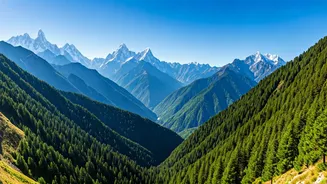
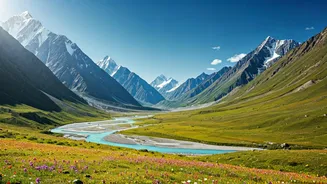
To see an India untouched by urban sprawl, head for the hills. In states like Uttarakhand and Himachal Pradesh, a network of village-to-village walks offers a profound connection to nature and a simpler way of life. These aren’t grueling high-altitude treks but gentle hikes along terraced fields and rhododendron forests, staying in village guesthouses or traditional homestays. The experience is deeply immersive. You wake to the sound of temple bells, share chai with your host family, and watch shepherds guide their flocks along ancient paths. Your “guides” are often local farmers who can name every plant and bird. The rhythm is dictated by the sun and the seasons. This kind of walk strips away the non-essential, revealing a quiet, contemplative India grounded in community, agriculture, and a deep reverence for the mountains that provide for them.
4. A Culinary Tour on Foot
You can’t understand India without tasting it, and the best food isn’t found in fancy restaurants—it’s sizzling on street corners. A food walk in cities like Mumbai, Amritsar, or Lucknow is a curated adventure for your palate. A knowledgeable guide helps you navigate the dizzying array of options, taking you to legendary, often hole-in-the-wall vendors who have perfected a single dish over generations. In Lucknow, you might sample succulent galouti kebabs that melt in your mouth. In Amritsar, you’ll be led to the crispiest, most buttery kulchas. In Mumbai, you’ll dive into the chaotic joy of chaat, from spicy pani puri to savory pav bhaji. More than just a meal, it’s a lesson in regional history and culture, explaining how trade routes, migrations, and local ingredients shaped each city’s distinct culinary identity. This walk reveals an India defined by its rich, diverse, and fiercely local flavors.