




What Is the ‘Soft Life,’ Anyway?
If you’ve spent any time on social media, you’ve likely encountered the term “soft life.” It’s a concept, born from Black culture online, that champions a lifestyle of ease, peace, and minimal stress. It’s an intentional rejection of hustle culture and the idea
that our lives must be a constant struggle to be valuable. The soft life isn’t about being lazy; it’s about prioritizing comfort, well-being, and pleasure. It’s choosing the path of least resistance, not because you can’t handle hardship, but because you no longer believe hardship is a prerequisite for happiness. In a world that glorifies the grind, opting for softness is a quiet rebellion. And now, that rebellion is reshaping how we think about taking a break.
The Problem with the ‘Dream Vacation’
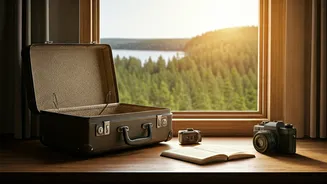
For decades, the American ideal of a vacation was a big, block-buster event. It was the two-week European tour, the sprawling all-inclusive resort, the cross-country road trip. These trips require months of planning, significant savings, and an encyclopedic itinerary to make sure you’re “getting your money’s worth.” But somewhere between the 6 a.m. flight, the packed sightseeing schedule, and the pressure to have a transformative experience, the relaxation gets lost. We often come home more exhausted than when we left, needing a vacation from our vacation. This high-stress, high-stakes approach is the antithesis of the soft life. It treats rest as a project to be managed rather than a state to be enjoyed.
Enter: The Low-Stakes Quick Break
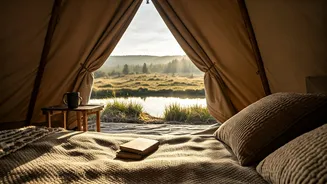
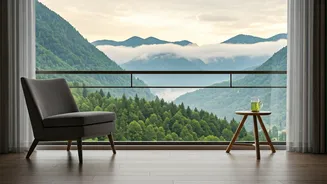
This is where the quick break comes in. The three- or four-day getaway is emerging as the perfect vehicle for soft-life travel. It’s accessible, affordable, and, most importantly, low-pressure. Planning a long weekend in a city a few hours away or a cozy cabin in the woods doesn’t require a master’s degree in logistics. The financial and emotional stakes are lower, which frees you to actually enjoy yourself. Instead of saving up all your PTO and vacation dreams for one monumental trip a year, the quick-break model encourages more frequent, smaller doses of rest. This shift aligns perfectly with a post-pandemic desire for sustainable well-being, where consistent mental health resets are valued more than a single, blowout escape.
The Anatomy of a Soft-Life Getaway
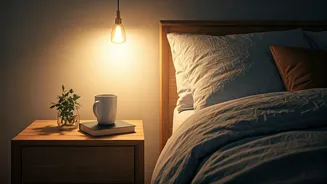
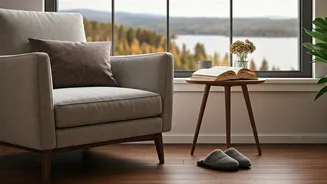
So, what does a soft-life quick break look like in practice? First, it’s about quality over quantity. It’s not about seeing five cities in three days. It might mean booking a slightly nicer hotel than you normally would, simply to enjoy the plush robe and the possibility of room service. The itinerary is intentionally sparse. Maybe there’s one great dinner reservation and a loose plan to visit a single museum or boutique. The rest of the time is beautifully, purposefully empty. It’s for sleeping in without an alarm, reading a book by a pool, taking a long walk with no destination, or simply doing nothing at all. The goal isn’t to conquer a destination; it’s to surrender to rest. Success is measured not by the number of photos you post, but by how genuinely recharged you feel on the drive home.