



Embrace the Art of Slow Coffee and Tea
South Korea’s coffee culture is legendary, but it’s evolving beyond quick caffeine hits. A growing movement champions “slow coffee” and a return to traditional tea. In Seoul, neighborhoods like Seongsu-dong and Yeonnam-dong are dotted with minimalist,
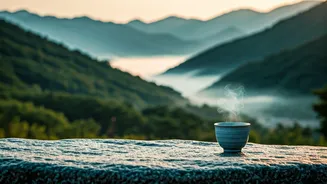
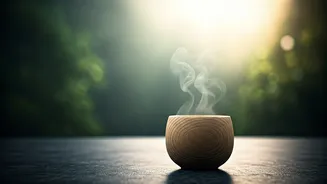
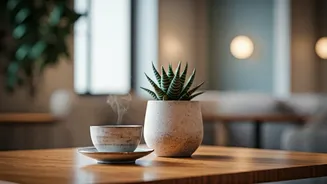
design-forward cafes where the goal is to linger. Many are set in beautifully restored traditional houses, known as hanoks, especially in areas like Ikseon-dong. Here, you can sit on a heated floor, surrounded by wooden beams and paper screens, while sipping a meticulously brewed hand-drip coffee or a fragrant mugwort latte. It’s not just a drink; it’s an experience. This trend extends to traditional teahouses, where you can sample artisanal green teas from Boseong or Jeju Island, paired with delicate rice cakes (tteok). It’s the perfect antidote to a packed travel itinerary, forcing you to pause and appreciate the moment.
Discover 'Healing Travel' in Nature
The Korean concept of “healing travel” (hilling yeohaeng) has become a national pastime, and it’s an idea visitors can easily embrace. It’s about seeking out nature to de-stress and rejuvenate the mind and body. While the DMZ and K-pop tours have their place, consider a trip to one of the country's stunning national parks. Seoraksan National Park in the fall is a painter’s palette of reds and oranges, with trails for all fitness levels. On the southern coast, Dadohaehaesang National Park offers breathtaking views of the archipelago. Of course, there’s Jeju Island, a volcanic paradise known for its unique culture and landscapes. Hike a portion of the Olle Trail, a network of walking paths that wind along the coast, through forests, and past charming villages. Even within Seoul, you can find green escapes like the Seoul Forest or the tranquil trails winding up mountains like Bukhansan or Inwangsan.
Find Joy in Sohwakhaeng
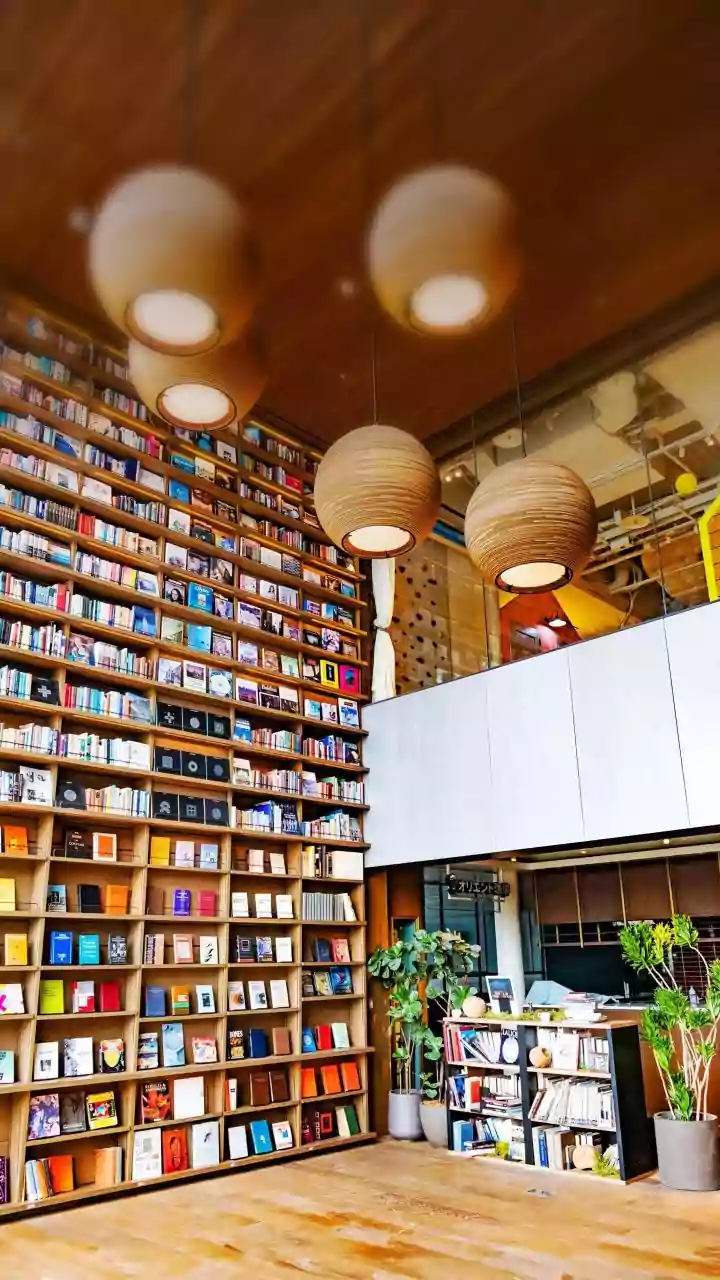
A key cultural term to understand this cosy trend is sohwakhaeng—a portmanteau that means “small but certain happiness.” It’s about finding profound contentment in simple, everyday pleasures. For a traveler, this means shifting your focus from checking off big-ticket sights to curating a series of small, joyful moments. It could be browsing the shelves of an independent bookstore in the Hongdae area, discovering a tiny, one-of-a-kind art gallery in Samcheong-dong, or stumbling upon a local market and trying a freshly made hotteok (sweet pancake). Instead of a fancy, multi-course dinner, sohwakhaeng might be found in a humble bowl of handmade noodle soup (kalguksu) at a neighborhood restaurant that has been serving the same recipe for decades. This mindset encourages you to explore without a strict agenda, leaving room for the serendipitous discoveries that often make the best travel memories.
Explore Historic Neighborhoods at a Slower Pace
While places like Bukchon Hanok Village are famously picturesque, they can also get famously crowded. The secret to enjoying them is timing and perspective. Visit early in the morning, just as the sun is rising, to see the traditional tiled roofs glow without the throngs of tourists. The quiet morning light transforms the experience from a photo op into a peaceful, almost meditative walk through history. Alternatively, explore less-trafficked historic areas. The city of Gyeongju, the former capital of the Silla Dynasty, is often called a “museum without walls.” You can rent a bicycle and leisurely pedal between ancient tombs, temples, and palace ruins scattered throughout the city. In Jeonju, another city famed for its large hanok village, the real charm is found in the quiet back alleys, where you can peek into artisan workshops and smell food cooking in family homes.
Consider a Calming Temple Stay
For the ultimate immersion in calm, a temple stay offers a unique window into Korea’s Buddhist culture and a genuine opportunity to disconnect. Programs are available across the country, from accessible temples on the outskirts of Seoul to remote mountain hermitages. A typical stay involves participating in the daily life of the monks and nuns: waking up for pre-dawn chanting, engaging in formal monastic meals eaten in silence, and participating in walking meditation or conversations about Buddhist philosophy over tea. It’s not a luxury retreat—accommodations are simple and the schedule is structured—but it is a powerful way to quiet the mind. Even a short one-night stay can offer a profound sense of peace and a deeper understanding of the spiritual traditions that underpin so much of Korean culture.