



The New Centerpiece of the Party
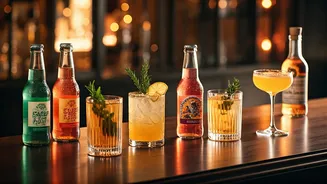
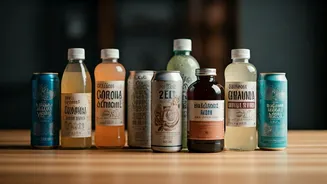
Picture the drinks table at a typical house party. You might expect a keg, some light beer, and maybe a sticky bottle of mass-market vodka. But for a growing number of hosts under 25, that scene is being replaced. In its place, you’ll find beautifully
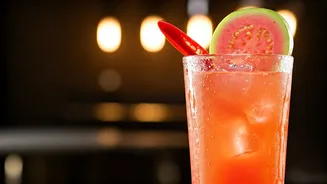
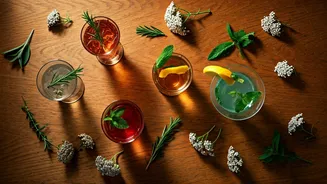
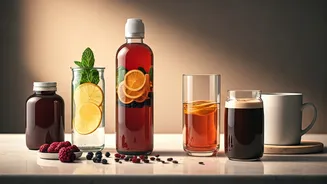
crafted pitchers filled with liquids that are anything but simple. They’re often cloudy, herbaceous, and garnished with things like a sprig of rosemary, a cedar frond, or a dusting of sumac. These are savory mocktails, and they represent a seismic shift in how the youngest generation of adults approaches socializing. Instead of being a lackluster afterthought for designated drivers, the non-alcoholic option is now frequently the star of the show—intentionally complex, thoughtfully prepared, and designed for a discerning palate that values flavor over intoxication.
More Than Just ‘Sober Curious’
The rise of the mocktail is often tied to the “sober curious” movement, and for good reason. Gen Z drinks significantly less alcohol than previous generations at the same age. But to chalk up the embrace of these specific drinks to mere abstention is to miss the point. This isn't about deprivation; it's about elevation. Young drinkers and non-drinkers alike are demanding more from their beverages. They want layers of flavor, a satisfying mouthfeel, and a sense of occasion. A simple soda water with lime feels lazy. A carefully balanced mocktail featuring smoked sage, juniper, and a hint of grapefruit feels like an experience. It’s a choice driven by wellness, mindfulness, and a rejection of the idea that fun must be fueled by alcohol. It’s a conscious decision to savor the moment, not blur it.
An Exploration of Native Flavors
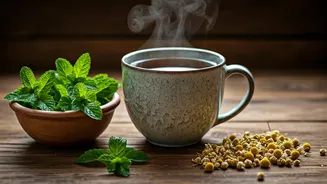
What makes this trend truly compelling is its embrace of ingredients deeply rooted in the American landscape, particularly herbs central to Native American traditions. We're not talking about your standard garden mint or basil. Instead, mixologists and home enthusiasts are exploring the complex profiles of ingredients like wild sage, with its earthy and slightly peppery notes; sumac, which provides a bright, lemony tartness without the aggressive acid of citrus fruit; and cedar, which can be infused to lend a woodsy, aromatic fragrance that feels like a walk in the forest. This movement is being led and informed by Indigenous chefs and entrepreneurs who have long understood the culinary and cultural power of these plants. For non-native enthusiasts, this has become an opportunity to connect with the concept of terroir—the taste of a specific place—and support businesses that harvest these ingredients ethically and sustainably.
A Statement of Generational Values
Ultimately, a glass of a sumac-dusted, sage-infused mocktail is more than just a drink; it's a symbol of Gen Z’s core values. It embodies a commitment to wellness over excess. It reflects a desire for authenticity and connection to the natural world, favoring local, meaningful ingredients over generic, mass-produced ones. And it signals a cultural curiosity that values learning and respect. By championing these drinks, this generation is quietly reshaping social norms. They’re proving that you can have a celebratory, sophisticated, and deeply satisfying beverage without a drop of alcohol. The choice to serve these at a party isn’t just a trend—it’s a declaration that community and flavor are the real intoxicants.