




The Traditional Morning Spread
For generations, breakfast in India has been a cherished, regionally diverse ritual. It was never a throwaway meal. In the north, this might mean hearty, ghee-laden parathas (stuffed flatbreads) served with yogurt and pickles. In the south, it’s a symphony
of fermented rice and lentil creations: fluffy idlis (steamed cakes) and crisp dosas, served with coconut chutney and sambar, a lentil-based vegetable stew. In the west, you'd find savory poha (flattened rice) or upma (a thick semolina porridge). These dishes are delicious, culturally significant, and deeply comforting. But they often share two traits: they can be carb-heavy and time-intensive to prepare, a reality that is increasingly at odds with the fast-paced lives of urban millennials and Gen Z.
The 'Smarter' Swap
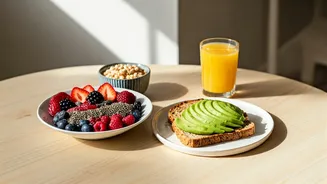
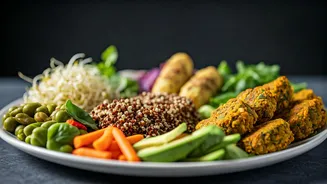
So, what does “smarter” eating look like for this new generation? It's a blend of global health consciousness and hyper-local innovation. The modern Indian breakfast plate is less about a single recipe and more about a set of principles: convenience, high protein, low sugar, and clean ingredients. Rolled oats, once a niche import, are now a pantry staple, prepared as a savory “masala oats” porridge with vegetables and spices. Smoothies packed with fruit, seeds, and protein powder are a common sight in city kitchens, offering a complete meal in a glass. Even the quintessentially American avocado toast has found a place, often spiced with chaat masala or topped with paneer. It’s a move away from the heavy carbs of the past toward nutrient-dense, functional foods that fuel a demanding workday without the afternoon slump.
Wellness, Work, and the Web
Three powerful forces are driving this transformation. First is the global wellness movement, amplified by social media. Instagram and YouTube are flooded with Indian fitness influencers and nutritionists promoting the benefits of a balanced macro-nutrient profile, intermittent fasting, and mindful eating. This has created a generation that reads labels, tracks calories, and sees food as fuel. Second is the reality of modern urban life. With long commutes and demanding jobs, the leisurely breakfast of yesteryear is a luxury few can afford on a weekday. Convenience is king, and a bowl of oatmeal or a quick smoothie is far more practical than preparing an elaborate traditional meal. Finally, the market has responded with an explosion of direct-to-consumer brands offering everything from protein bars and granola to ready-to-eat healthy meals, all just a click away.
Rediscovering Ancient Grains
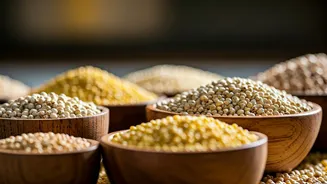
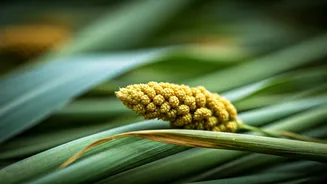
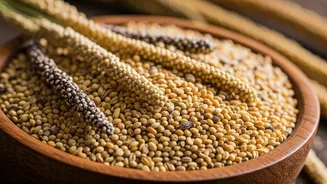
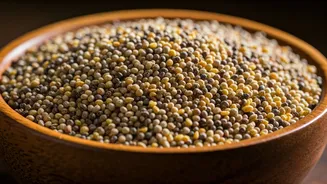
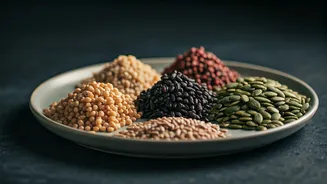
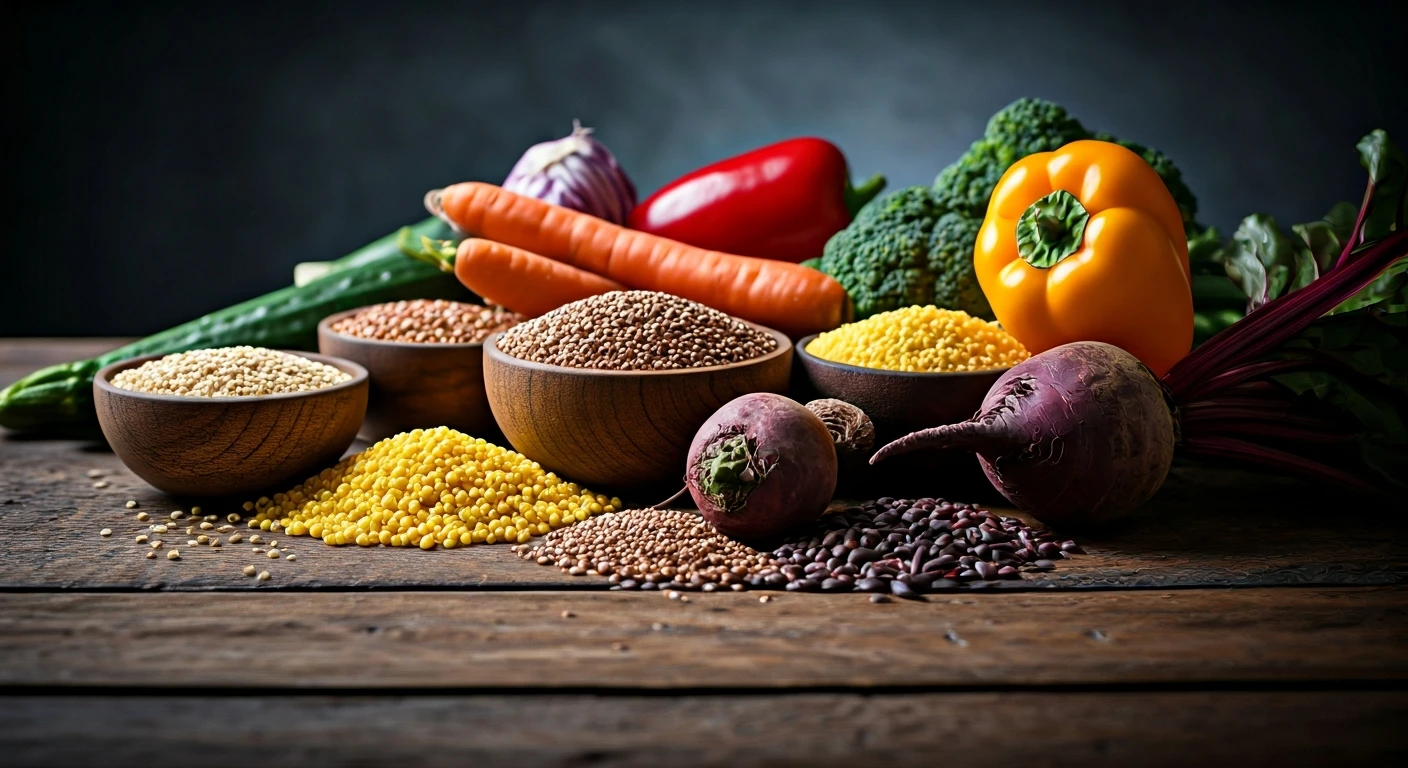
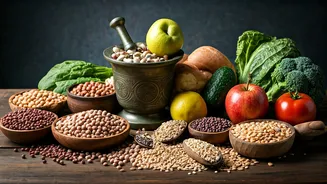
But this shift isn't simply about adopting Western food habits. Perhaps the most interesting part of this trend is the revitalization of ancient Indian ingredients. Grains like millet (bajra), sorghum (jowar), and finger millet (ragi), once considered humble rural staples, are being rediscovered and rebranded as superfoods. Startups are turning these nutrient-packed, gluten-free grains into modern, convenient products like millet muesli, ragi-based pancake mixes, and sorghum flakes. This allows young Indians to eat “smarter” without feeling like they are abandoning their heritage. It's a uniquely Indian solution: embracing modern nutritional science and convenience while celebrating the wisdom of their own culinary past. It’s not about replacement, but a thoughtful re-engineering of tradition for the 21st century.