



A Stage Set in the Himalayas
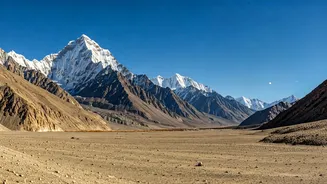
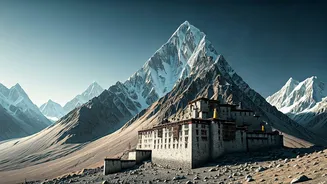
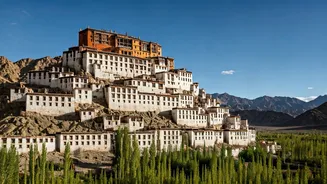
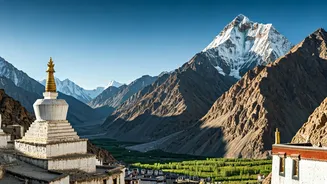
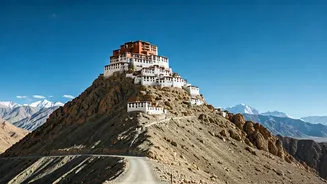
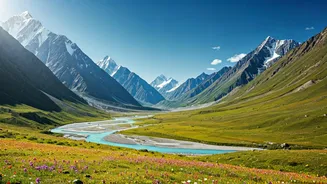
Before you can understand the festival, you have to picture the stage. Ladakh, often called “Little Tibet” or the “Land of High Passes,” is a high-altitude desert region in northern India. Its landscape is a dramatic tapestry of barren mountains, deep
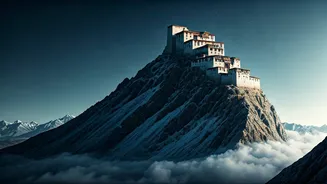
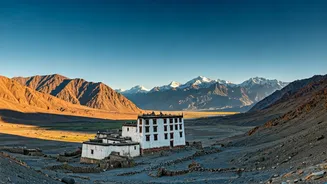
blue skies, and startlingly green valleys carved by the Indus River. Tucked away in one of these valleys, about 25 miles from the regional capital of Leh, sits the Hemis Monastery. Founded in the 17th century, this is the largest and wealthiest monastery in Ladakh, a sprawling complex of courtyards, temples, and prayer halls that cling to a mountainside. For most of the year, it’s a place of quiet contemplation. But for two days every summer, its main courtyard transforms into the most spectacular theater in the Himalayas.
The Heart of the Celebration
At its core, the Hemis festival is a birthday party, but one of immense spiritual significance. It commemorates the birth of Guru Padmasambhava, the 8th-century sage credited with establishing Vajrayana Buddhism in Tibet and the Himalayan region. Known reverently as Guru Rinpoche, or the “Precious Master,” he is considered a second Buddha by many followers. The festival celebrates his mission to vanquish the dark forces and demons that stood in the way of enlightenment. Every ritual, every sound, and every movement during the festival is a retelling of this ancient struggle between good and evil, a powerful reaffirmation of faith for the Ladakhi people.
The Dance of Gods and Demons
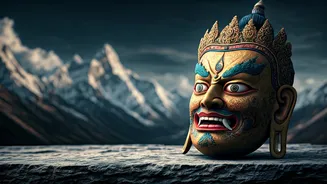
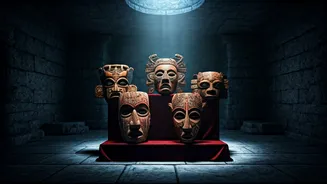
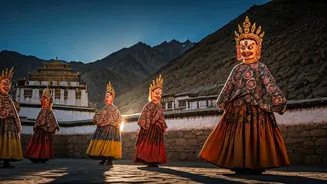
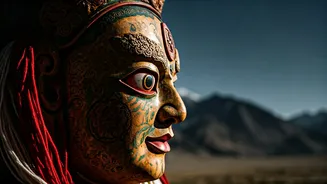
The centerpiece of the festival is the *cham* dance. These are not performances in the Western sense; they are sacred, meditative rituals performed by monks. Donning elaborate, often fearsome, masks and brilliant silk costumes, the dancers transform into deities, demons, and historical figures from Buddhist lore. The masks are intricate works of art—some serene, some terrifying, representing the complex forces of the universe. The movements are slow, deliberate, and hypnotic, performed to the otherworldly sounds of long brass horns (dungchen), crashing cymbals, and deep-throated drums. As the dancers circle the courtyard, they enact stories of cosmic battles, purifying the ground and driving away evil spirits. To witness it is to feel as if you’ve stepped through a portal into a mythical realm.
A Symphony of Sights and Sounds
While the masked dances are the main event, the festival is a full-sensory experience. The air is thick with the scent of burning juniper incense, used for purification. The steady, resonant chanting of the monks provides a spiritual bassline to the entire affair. Every 12 years, the festival becomes even more momentous with the unfurling of a gigantic silk tapestry, or *thangka*, depicting Guru Padmasambhava. This colossal artwork, several stories high, is displayed for only a few hours, and its viewing is believed to bestow great merit and blessings. Even in the years without the giant thangka, the monastery is draped in vibrant prayer flags that snap and flutter in the mountain wind, sending prayers out into the world.
A Window into Ladakhi Life
Perhaps what makes the Hemis festival the ultimate highlight is that it’s not just for tourists. It is, first and foremost, a vital community event. Ladakhis from remote villages, dressed in their finest traditional clothing—women in turquoise-studded headdresses called *peraks* and men in gonchas, a thick woolen robe—flock to the monastery. It’s a time for families to reunite, for friends to socialize, and for everyone to renew their spiritual devotion. For a traveler, this means you are not just observing a spectacle; you are a guest at a deeply authentic cultural and social gathering. Sharing a cup of butter tea or sitting on the ground next to a Ladakhi family watching the dances provides a connection that goes far beyond typical sightseeing.