
The Revolt Against Cold Lunches
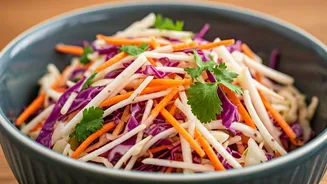
Remember the era of the mason jar salad? For a decade, wellness culture preached a gospel of optimization and discipline. The ideal lunch was something you prepared on Sunday, ate cold at your desk on Wednesday, and felt virtuous—if vaguely unsatisfied—about.
It was a testament to your planning, your willpower, and your commitment to a certain aesthetic of health. But that aesthetic is starting to feel as cold and unappealing as the food itself. We’re experiencing a cultural burnout with the joyless efficiency of meal prep. The “sad desk salad,” once a meme, is now a legitimate source of midday malaise. The new thinking suggests that true self-care isn’t about militant preparation; it’s about giving yourself something genuinely nourishing and comforting in the middle of a stressful day. A warm, fragrant meal feels less like a task to be completed and more like a moment of genuine respite.
The Science of Comfort
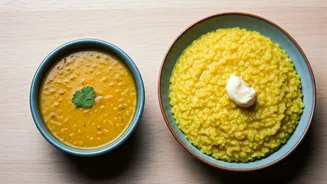
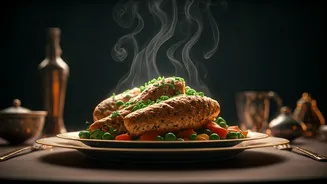
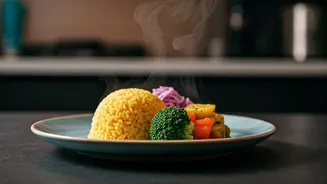
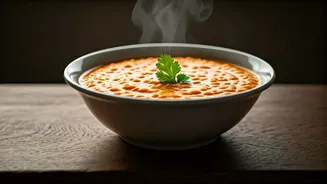
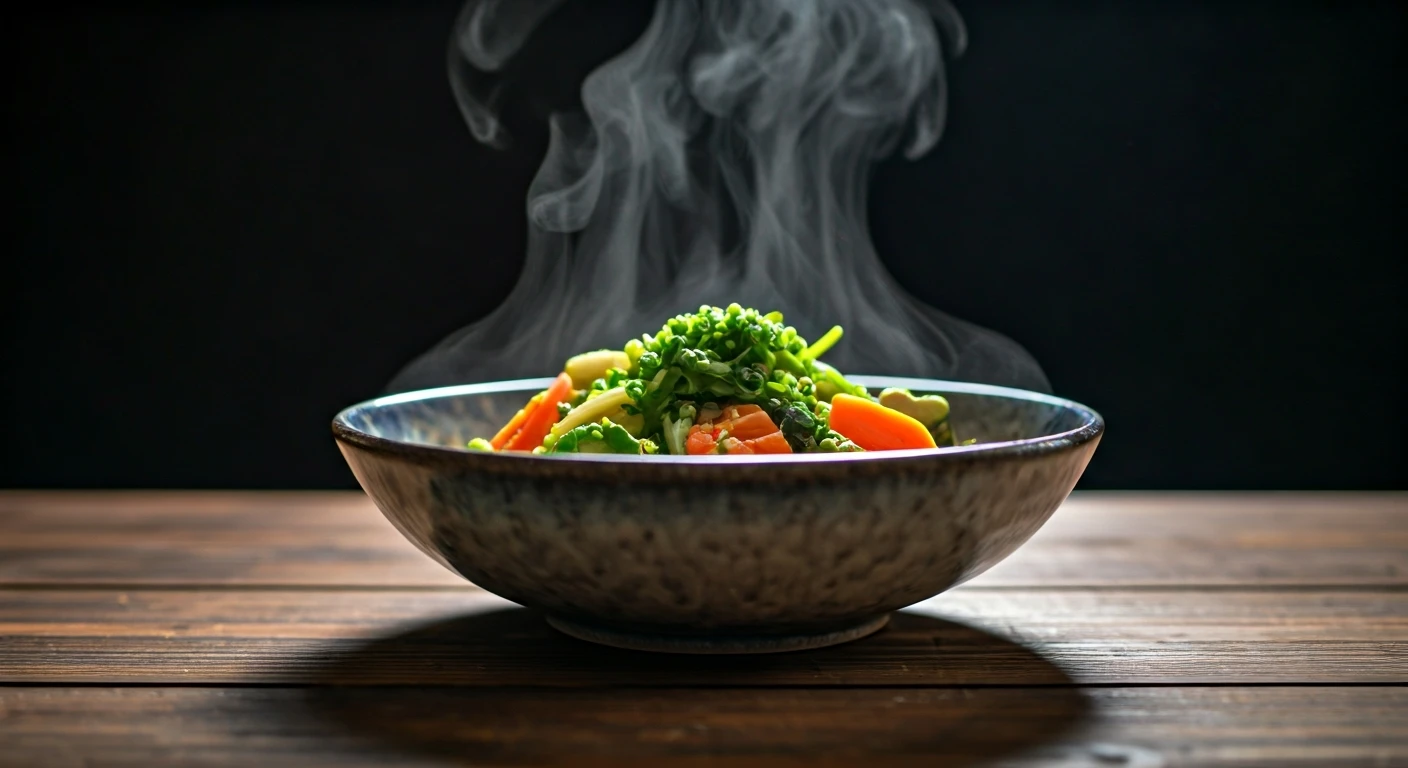
This shift isn't just about vibes; there’s a physiological and psychological basis for it. From a nutritional standpoint, cooking can break down plant cell walls, making certain nutrients more bioavailable. Think of the lycopene in cooked tomatoes versus raw ones. Warm foods can also be easier to digest for some people, as the body doesn't have to expend extra energy to heat them to body temperature before beginning digestion. But the real power of a hot meal is psychological. Warmth is primal. It’s associated with safety, comfort, and care—the soup your mom made when you were sick, the crackling fireplace, a hug. In a world defined by digital coldness and constant anxiety, the sensory experience of a hot meal—the steam, the aroma, the satisfying weight of it—acts as a powerful grounding force. It’s a 15-minute mindfulness exercise that doesn't require an app.
The Quiet Luxury of a Real Meal
This is where the “flex” comes in. In our hyper-convenient, delivery-obsessed culture, the ability to eat a hot, freshly prepared meal in the middle of the day has become a new status symbol. It signals that you have something more valuable than a fancy gym membership: time. Whether you’re working from home and can step away to sauté some vegetables, or you have a job with a culture (and amenities) that allows for a proper lunch break, a hot meal is a marker of a certain quality of life. It implies you haven’t had to resort to a squashed sandwich or an expensive but lukewarm delivery. You have control over your schedule and your environment. You value your well-being enough to prioritize this small but significant ritual. It’s a quiet act of defiance against the grind, a declaration that you are worth more than a protein bar scarfed down between meetings.
From Pandemic Kitchens to Office Woks
The pandemic undoubtedly accelerated this trend. Forced to stay home, millions of Americans rediscovered their kitchens. We baked sourdough, we perfected our sauces, and we remembered the simple pleasure of eating a meal moments after it was cooked. Now, as people return to the office, they’re unwilling to give up that small luxury. This has fueled a boom in products designed to bridge the gap. Portable electric lunch boxes that heat your food at your desk are selling out. Compact, office-friendly blenders for hot soups are trending on TikTok. We’re seeing a micro-revolution in bringing the comforts of the home kitchen into the corporate world. It’s a sign that people aren’t just trying to replicate the *food* from their pandemic-era lives, but the *feeling* of being cared for that came with it.