






From Table Scraps to Tailored Diets
For generations, the diet of a typical Indian dog consisted of table scraps, milk-soaked 'roti' (flatbread), or basic home-cooked meals. Commercial pet food was a niche product, often seen as an unnecessary luxury. But that's changing, and fast. A new
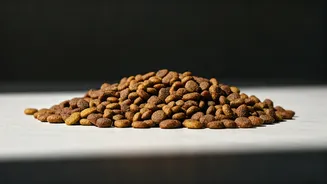
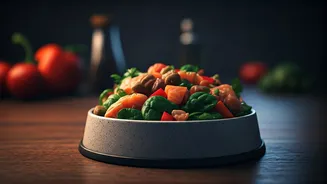
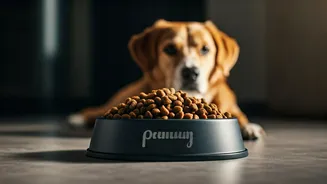
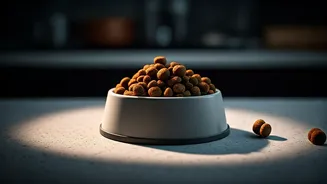
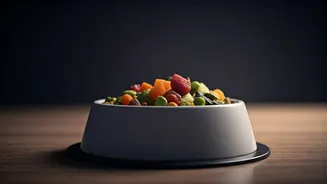
and rapidly expanding market segment is demanding something more: specialized, high-protein formulas that sound like they could be on a health-conscious human’s menu. We're talking grain-free kibble, salmon-and-chickpea blends, and freeze-dried raw foods. This isn’t just a simple upgrade from one brand of kibble to another; it represents a fundamental shift in how a growing segment of the population views canine nutrition and care. This pivot from leftovers to scientifically formulated diets signals a deeper change in the human-animal bond.
The 'Pet Humanization' Effect
At the heart of this trend is a concept familiar to many Americans: “pet humanization.” As urbanization accelerates and household structures change in India, more people are adopting pets for companionship. These aren't just guard dogs or yard animals; they are cherished members of the family. They have names, celebrate birthdays, wear sweaters, and, increasingly, have their own social media accounts. When a dog is seen as a “fur baby” rather than just an animal, owners’ priorities shift. They begin to project their own health and wellness aspirations onto their pets. If the owner is focused on eating clean, organic, or high-protein, it’s a small leap to want the same for their four-legged family member. This emotional shift is the primary engine driving consumers to scrutinize labels and spend significantly more on pet food that promises better health, a shinier coat, or more energy.
A Barometer of the New Middle Class
Premium pet food is a classic discretionary purchase—you don't buy it unless your own basic needs are comfortably met. Its rise, therefore, is one of the clearest signals of a burgeoning, aspirational middle and upper-middle class in India with significant disposable income. As incomes rise, families are not just buying more things; they're buying better things. This pattern has played out in categories from smartphones to coffee, and the pet care industry is the latest frontier. A willingness to spend two or three times more on a bag of high-protein dog food is a statement of economic confidence. It reflects a new consumer base that is globally aware, digitally savvy, and eager to participate in the wellness trends they see online, extending that lifestyle to every member of their household—including the furry ones.
A Market in the Making
This consumer shift has not gone unnoticed by businesses. The Indian pet care market, while still smaller than those in the U.S. or Europe, is one of the fastest-growing in the world. Global giants like Mars Petcare (owner of Royal Canin and Pedigree) and Nestlé (Purina) are investing heavily, introducing their premium lines to the Indian market. At the same time, a vibrant ecosystem of domestic, direct-to-consumer (D2C) startups has emerged. These local brands often appeal to pet owners with fresh-cooked meals, custom diet plans, and an emphasis on local ingredients, challenging the dominance of the international players. This competition is creating a dynamic and rapidly evolving marketplace where the ultimate winner is the consumer—and their increasingly well-fed dogs.