


First, What Is Biophilic Design?
You’ve seen it all over Instagram and Pinterest: apartments dripping with greenery, natural wood tones, and an abundance of sunlight. That’s biophilic design in a nutshell. The term, popularized by biologist E.O. Wilson, describes our innate human need
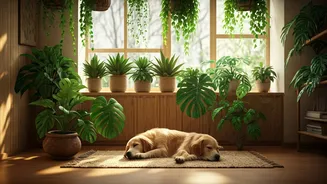
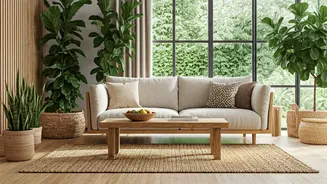
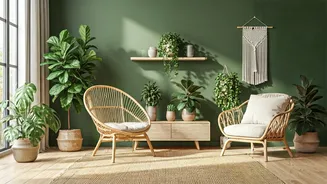
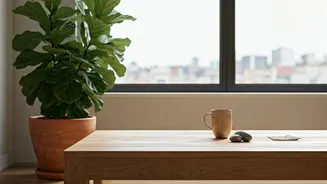
to connect with nature. In interior design, it translates to incorporating natural elements into our built environments. This goes beyond just buying a few houseplants. It’s a holistic approach that uses natural light, materials like wood and stone, nature-inspired patterns, and, of course, a healthy dose of plant life to create a space that feels calming, restorative, and alive. The goal is to blur the line between indoors and outdoors, creating a personal sanctuary that combats the stress of city life.
Why It’s an “Urban Flex”
In a cramped, expensive city apartment, space and light are luxuries. Successfully cultivating a lush indoor garden demonstrates a certain level of mastery over your environment. It says you have the time, knowledge, and resources to nurture life. Adding the “pet-safe” layer elevates it further. It’s a quiet declaration that you’re not only a capable plant parent but also a responsible pet owner. You’ve done your research. You’ve curated your collection with care. You’ve created a harmonious ecosystem where your monstera *won’t* send your cat to the emergency vet. This level of intentionality—creating a space that is beautiful, healthy, and safe for all its inhabitants—is a powerful statement in modern urban culture. It’s a flex of care, not just aesthetics.
The Dangerous Side of Trendy Plants
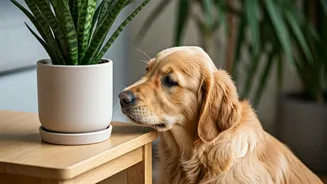
Here’s the catch: many of the most popular and photogenic houseplants are toxic to cats and dogs. The very plants that define the modern bohemian look can be a serious hazard. For example, the iconic Sago Palm is extremely poisonous, with ingestion often leading to liver failure. The ubiquitous Fiddle Leaf Fig, Snake Plant, and Pothos varieties can cause significant oral irritation, vomiting, and difficulty swallowing if chewed on by a curious pet. Even flowers like lilies are famously fatal to cats. This is the central challenge for the urban pet owner. How do you achieve that verdant, jungle-like vibe without putting your four-legged companion at risk? It requires moving beyond what’s merely trending and becoming a more discerning decorator.
Your Go-To List for Pet-Safe Greenery
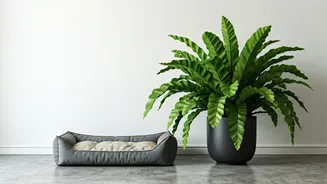
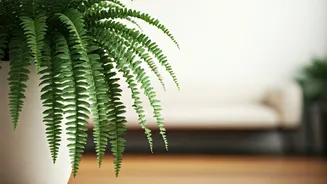
The good news is that there are plenty of stunning plants that are completely non-toxic. Building your indoor oasis starts with choosing the right species. Always double-check any plant against the ASPCA’s comprehensive toxic and non-toxic plant lists before bringing it home, but here are some proven winners to get you started: * **Spider Plant (Chlorophytum comosum):** This retro classic is making a huge comeback. It’s incredibly resilient, great at purifying the air, and produces little “spiderettes” that can be propagated into new plants. Completely safe for cats and dogs. * **Calathea Varieties (Prayer Plants):** Known for their stunning, ornate leaves that often feature vibrant pinks, whites, and deep greens, Calatheas are a showstopper. They fold their leaves up at night, like hands in prayer. All true Calatheas are non-toxic. * **Boston Fern (Nephrolepis exaltata):** Perfect for adding a lush, feathery texture to your space. They love humidity, making them ideal for a bathroom, and their shaggy fronds are completely safe for pets to bat at. * **Haworthia (Zebra Plant):** If you love the look of succulents but worry about spiky cacti, the Haworthia is a great choice. Its striking white stripes and compact size make it perfect for desks and shelves, and it’s non-toxic. * **Parlor Palm (Chamaedorea elegans):** Want a tropical tree vibe without the danger? The Parlor Palm is your answer. It’s a slow-growing, low-maintenance palm that thrives in lower light conditions and is pet-friendly.
Designing for Safety and Style
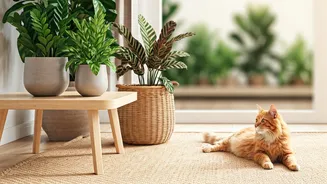
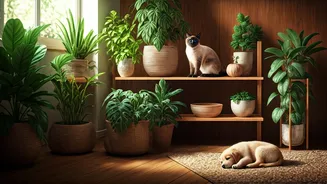
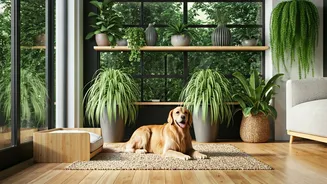
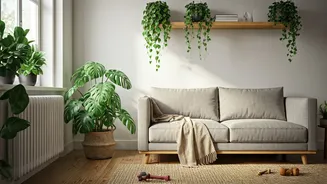
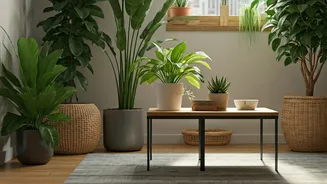
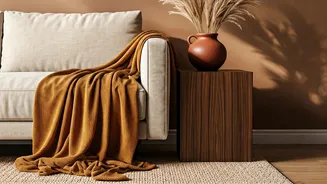
Once you have your pet-safe plants, placement is key to achieving that biophilic look. Think in layers. Use a tall, non-toxic Parlor Palm to create height in a corner. Let a Spider Plant cascade from a bookshelf or a hanging planter—which also keeps it out of a mischievous pet’s immediate reach. Group smaller plants like Haworthias and Peperomias on a tray to create a mini-garden on a coffee table. Don't forget other biophilic elements. Complement your greenery with natural textures: a jute rug, linen curtains, a stone coaster, or a wooden side table. Maximize natural light wherever possible. The combination of safe plants, smart placement, and natural materials will create a space that feels both intentionally designed and organically peaceful.