

The Land of High Passes
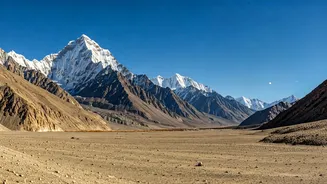
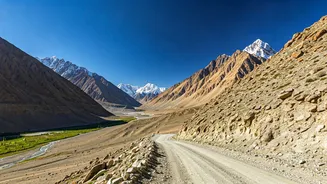
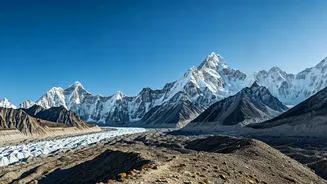
Known as “The Land of High Passes,” Ladakh is a place of breathtaking, almost lunar, landscapes. Tucked away in northern India, this region was, until recently, one of the most remote corners of the world. The journey here is part of the experience, often
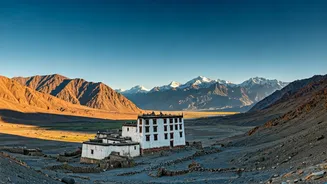
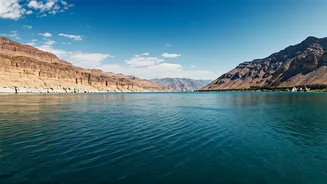
involving flights over snow-dusted Himalayan peaks that give way to a panorama of brown, purple, and grey mountains, sliced through by impossibly blue rivers. This isn't a land of lush greenery; its beauty is stark, powerful, and immense. The silence is profound, broken only by the wind whistling through prayer flags or the distant call of a bird. The sky, free from the haze of city life, is a piercing, brilliant blue during the day and a blanket of dense, glittering stars at night. Being here feels like standing on the roof of the world, a vantage point that strips away the non-essential and commands your full attention.
Echoes in Ancient Monasteries
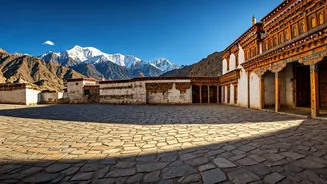
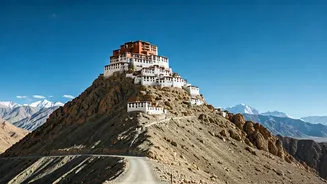
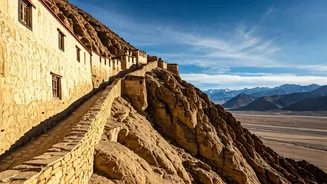
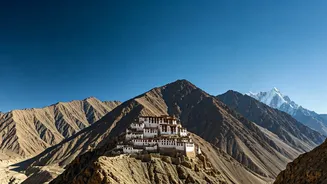
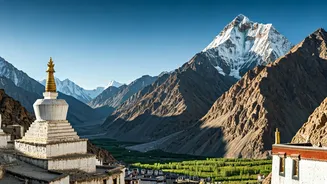
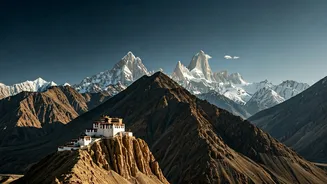
The soul of Ladakh resides in its gompas, or Tibetan Buddhist monasteries. These are not ruins but living, breathing centers of faith, perched precariously on hilltops and cliffsides as if they grew from the rock itself. From the iconic Thiksey Monastery, with its tiered structure resembling the Potala Palace in Lhasa, to the ancient murals of Alchi, stepping into a gompa is like stepping back in time. The air inside is thick with the scent of juniper incense and melting yak butter lamps. The deep, guttural chants of monks during morning prayers reverberate through the halls, a sound that seems to vibrate in your very bones. Walls are covered in vibrant, intricate thangkas—painted scrolls depicting deities and mandalas—that tell stories of enlightenment, compassion, and the cyclical nature of existence. It’s an overwhelming sensory experience that quiets the mind and opens the heart.
A Living, Breathing Faith
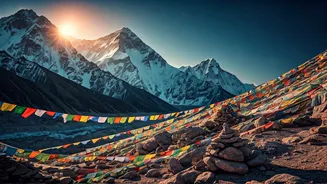
What makes the spiritualism of Ladakh so powerful is that it’s not an artifact preserved for tourists. It is the lifeblood of the Ladakhi people. You see it everywhere: in the strings of colorful prayer flags that send blessings into the wind, in the rows of prayer wheels spun by pilgrims young and old, and in the quiet dignity of the monks in their saffron and maroon robes. This isn't mysticism for show; it is an integrated part of daily life. Locals greet you with a gentle “Jullay!”—a versatile word for hello, goodbye, and thank you—that embodies the warmth and openness of the culture. The Buddhist principles of compassion and mindfulness are not just philosophical concepts here; they are practiced. This authenticity is what elevates a trip to Ladakh from a simple vacation to a deeply moving cultural immersion.
Finding Stillness Above the Clouds
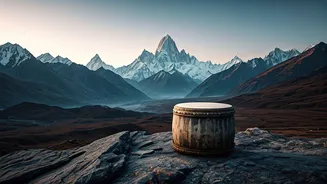
In our hyper-connected, relentlessly noisy world, true serenity can feel like an impossible luxury. Ladakh offers it in abundance. The sheer scale of the landscape has a way of putting personal worries into perspective. The high altitude forces you to slow down, to breathe more deeply, to move with intention. There is a meditative quality to simply sitting and watching the shadows of the clouds drift across the barren mountainsides. This is a place that encourages introspection. Whether you’re watching the sunset paint the Stok Range in hues of orange and pink or listening to the gentle murmur of a stream, you find yourself unplugging not just from your devices, but from the frantic pace of modern life. The “mysticism” of Ladakh isn’t some esoteric secret; it’s the simple, profound clarity that arises when you are quiet enough to hear your own thoughts.