





Understanding the Monsoon Magic
First, let's clear things up: the North American Monsoon isn't a month-long torrential downpour. Typically running from late June through September, it’s a seasonal shift in wind patterns that brings moisture up from the Pacific and Gulf of Mexico into
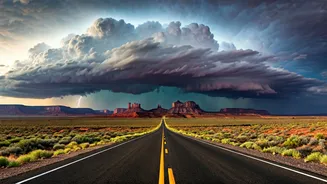
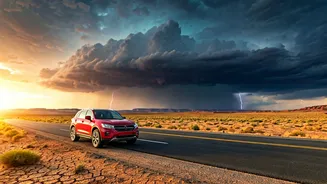
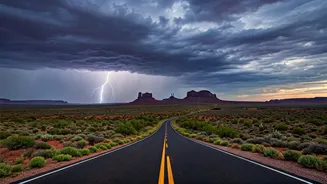
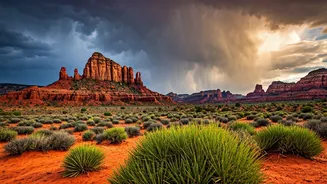
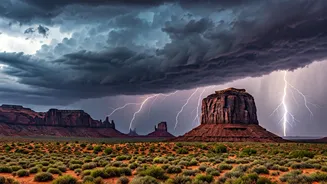
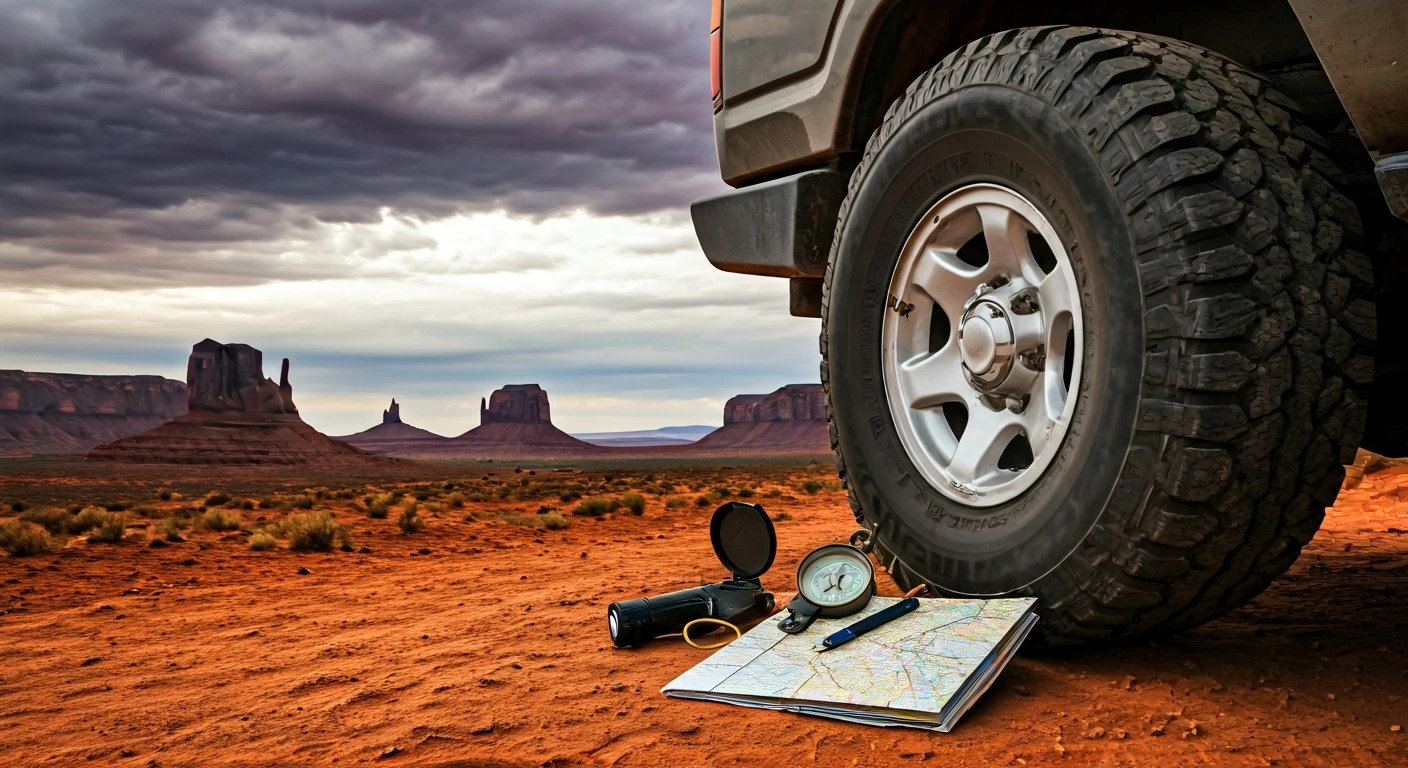
the arid landscapes of Arizona, New Mexico, Utah, and Colorado. The result? Short, intense, and highly localized afternoon thunderstorms. For travelers, this means a daily spectacle. The desert, baked under the summer sun, suddenly comes alive. The air cools, the earthy smell of creosote fills the air after a rain (an aroma known as petrichor), and the sky puts on a show that makes any photograph look professional. Instead of avoiding this “bad” weather, savvy adventurers are learning to embrace it as the region’s most dynamic and photogenic season.
Grand Canyon, Arizona
The Grand Canyon is already a masterclass in scale, but the monsoon adds an element of divine drama. Imagine watching colossal thunderheads, dark and heavy with rain, build over the vast chasm. The afternoon light, filtered through layers of cloud and moisture, paints the canyon walls in shifting shades of purple, orange, and deep red. Far-off lightning strikes offer a silent, spectacular light show. While a direct hit from a storm can be dangerous (always stay away from the rim during lightning), positioning yourself to watch the storms roll across the opposite side of the canyon is an unforgettable experience. The storms pass as quickly as they arrive, often leaving behind double rainbows and freshly washed air that provides crystal-clear, long-distance views.
Zion National Park, Utah
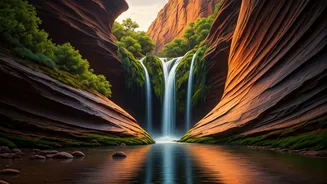
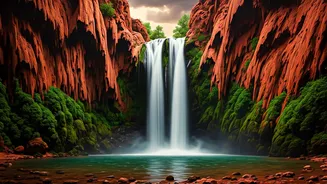
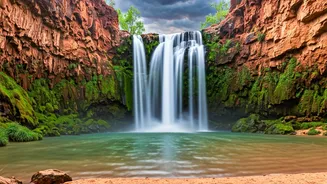
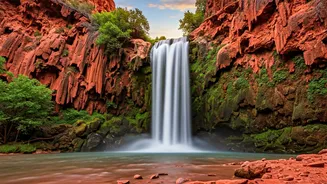
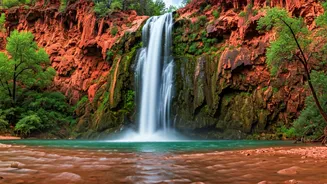
Zion's towering sandstone cliffs are impressive any day, but during the monsoon, they weep. The porous rock soaks up the intense bursts of rain and, within minutes, hundreds of temporary waterfalls cascade down sheer rock faces that are bone-dry the rest of the year. The Virgin River, normally a placid turquoise stream, can swell with reddish-brown storm runoff, showcasing the raw power that carved the canyon. This is a time for roadside sightseeing from the park’s shuttle bus rather than intensive hiking. Flash floods are a serious and deadly risk, especially in slot canyons like The Narrows, which are often closed on short notice. But for those who come to witness the landscape's transformation from the safety of a viewpoint, it’s a rare and powerful sight.
The Sonoran Desert, Arizona
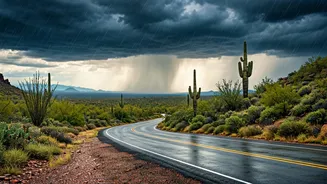
Outside of Tucson and Phoenix, the Sonoran Desert undergoes a stunning metamorphosis. The normally muted palette of greens and browns explodes with life. Cacti, which have been patiently waiting, burst into bloom with waxy, vibrant flowers. The iconic saguaro cactus, its arms reaching to the sky, looks even more majestic against a backdrop of dark, stormy clouds. Ocotillo plants, which often look like a collection of dead sticks, sprout tiny green leaves almost overnight. This is the season of renewal. It’s also a prime time for wildlife viewing, as animals from coyotes to desert tortoises become more active in the cooler, post-rain environment. A drive through Saguaro National Park or the Organ Pipe Cactus National Monument becomes a lesson in resilience and sudden beauty.
White Sands, New Mexico
The world’s largest gypsum dunefield offers a surreal landscape on any given day. But during the monsoon, White Sands National Park becomes otherworldly. The storms here are often fast and furious, and the visual contrast is staggering. Imagine the pure, almost blindingly white dunes set against a bruised, purple-gray sky. When rain falls, it darkens the sand and makes the ripples and patterns stand out in stark relief. Once the storm passes, the wet sand reflects the clearing sky, creating a massive, shimmering mirror. The moisture also temporarily solidifies the gypsum, making it easier to walk on the dunes without sinking. It’s a photographer’s dream, offering a minimalist yet intensely dramatic canvas that changes by the minute.