





The Unflappable Garden Optimist
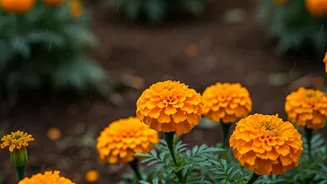
There’s a certain melancholy that settles over a garden after a hard rain. Delicate zinnias are bowed, top-heavy peonies lie face-down in the mud, and the lawn is littered with fallen petals. It’s a scene of botanical drama. And yet, there they are: the marigolds.
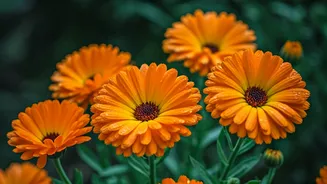
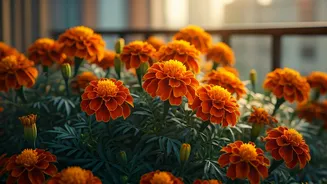
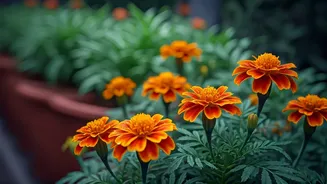
Unbothered. Their pom-pom heads of orange, yellow, and rust seem to shake off the water with a casual shrug, glowing like tiny suns in the washed-out gray light. They aren’t just enduring the weather; they look like they were built for it. This isn't just a gardener's imagination. The marigold’s reputation as a stalwart, no-fuss flower is earned through a combination of brilliant botanical design and a kind of rugged simplicity that more dramatic flowers lack. They are the garden’s reliable, cheerful workhorses, the ones you can count on when everything else is having a bad day.
Anatomy of a Survivor
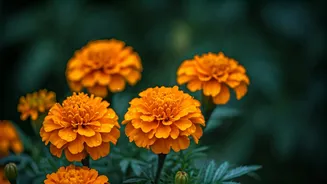
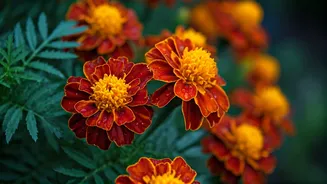
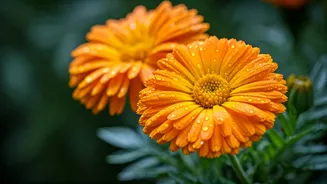
So what makes marigolds such pros at handling a downpour? It starts with their structure. Unlike flowers with large, single-cup blossoms that can fill with water and snap their own stems, most marigold varieties (especially French and Signet types) have dense, multi-layered flower heads. These intricate structures don’t act like buckets; instead, the tightly packed petals help shed water efficiently. Their stems are another key part of their resilience. They are often thick, sturdy, and fibrous, giving them a flexibility that allows them to bend in the wind and rain rather than break. Furthermore, the natural oils that give marigolds their distinct, sharp scent also create a subtly waxy coating on their leaves and petals. This natural water resistance prevents them from becoming saturated and waterlogged. While other plants are still recovering, weighed down and prone to fungal disease from excess moisture, the marigold is already drying off and turning its face back to the sun.
The Professional's Toolkit
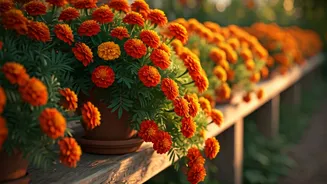
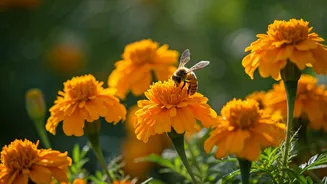
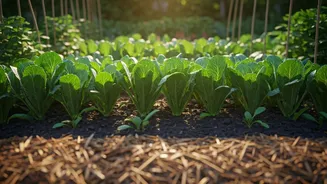
A marigold’s professionalism extends far beyond just looking good after a storm. They are one of the hardest-working plants in any garden bed, performing multiple jobs at once. This is the flower that doesn’t just show up; it clocks in and gets to work. Their most famous talent is pest control. The pungent scent that some people find off-putting is a powerful deterrent for a host of garden pests, from whiteflies to rabbit visitors who prefer less aromatic snacks. But their real secret weapon operates underground. Marigolds, particularly certain French varieties, produce a chemical called thiophene in their roots, which is toxic to root-knot nematodes—microscopic worms that can wreak havoc on the root systems of vegetable plants like tomatoes and peppers. Planting marigolds as a companion plant is like hiring a tiny, beautiful security guard for your vegetable patch. They actively protect their neighbors, making the entire garden ecosystem healthier and more productive.
Low-Maintenance, High Reward
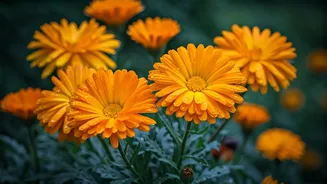
For the everyday American gardener, perhaps the marigold’s greatest professional quality is its sheer ease of use. They are not divas. They don’t demand perfect soil, precise watering schedules, or constant fussing. In fact, they thrive in average, even poor, soil and are relatively drought-tolerant once established. They sprout eagerly from seed, grow quickly, and bloom continuously from late spring until the first hard frost, providing a steady, reliable splash of color when other, more finicky annuals have given up. This low-maintenance attitude makes them perfect for beginner gardeners, children’s gardening projects, or anyone who wants maximum visual impact with minimum effort. They are the definition of a plant that gives more than it takes, asking for little more than a sunny spot and rewarding you with months of cheerful, storm-proof beauty.