



The Opening Scene: A Crack in the Sky
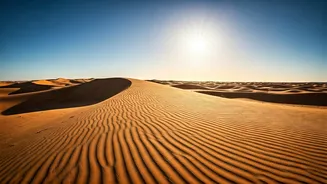
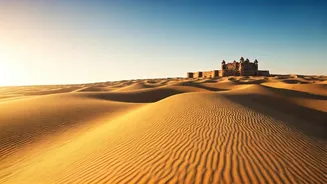
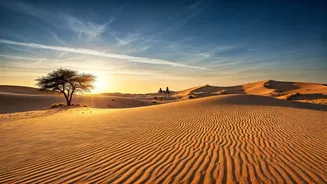
For most of the year, Jaisalmer is a study in gold and blue—the sun-baked yellow of its forts and havelis against a perpetually clear sky. It’s the ‘Golden City’ for a reason, an icon of the arid, romanticized Indian desert. But for a few short weeks,
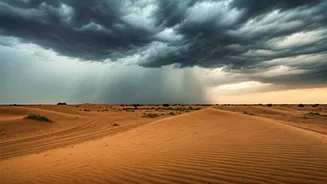
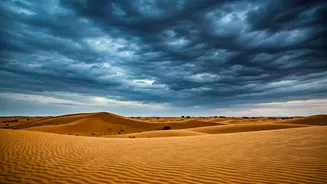
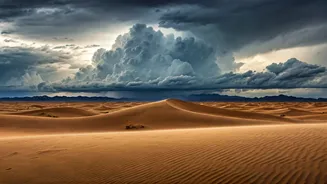
usually between July and September, a different director takes over. The first sign is a change in the air. The dry, searing heat softens, and a new humidity clings to everything. Then come the clouds, great towers of slate-gray and purple that build on the horizon, swallowing the endless blue. When the thunder finally rolls across the desert, it’s not just a sound; it’s an event. It feels like the opening percussion of a grand score, announcing the arrival of the film’s protagonist: the rain. The first drops are fat and deliberate, hitting the dusty ground with audible plops, each one a tiny, dark starburst on the parched earth.
A City Washed in New Colors
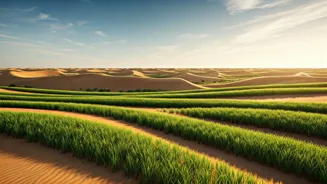
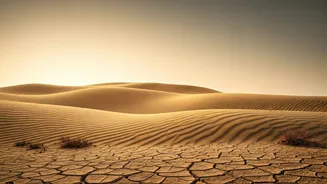
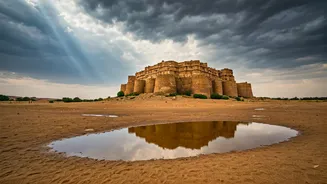
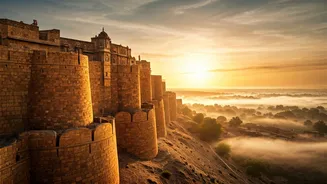
The magic of Jaisalmer’s monsoon isn’t just the presence of water, but what that water does to the light and color. The city’s famous Jurassic sandstone, which glows a warm honey-gold in the sun, undergoes a dramatic transformation. When drenched, it deepens into a rich, saturated ochre, almost a fiery umber. The ancient walls of the Jaisalmer Fort look less like a sandcastle and more like a fortress carved from solid gold. Puddles form in the cobbled alleyways, creating mirrors that reflect the dramatic sky and the intricate facades of the city’s ornate havelis. For a fleeting moment, Jaisalmer is a city of dual landscapes: one of stone and one of its watery reflection. Beyond the city walls, the desert itself puts on a show. Patches of scrub that have lain dormant and brown suddenly burst into a surprising, almost neon green, a temporary carpet laid over the dunes.
The Soundtrack of the Storm
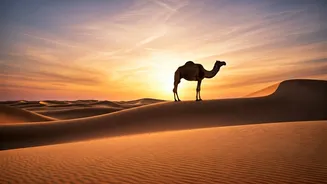
A desert is defined by its quiet. The silence of Jaisalmer, broken only by the whisper of the wind or a distant camel’s call, is part of its charm. The monsoon replaces this silence with a complex, layered soundtrack. The main percussion is the rain itself—a gentle hiss that builds into a powerful drumming on tin roofs and ancient stone balconies. It’s a sound of pure abundance in a land of scarcity. This is accompanied by the low rumble of thunder that seems to make the very ground vibrate. But the most joyful sounds are human. As the downpour begins, there's a collective, city-wide sigh of relief. Windows are thrown open not to escape the heat, but to welcome the cool, rain-scented air. The sound of children laughing and shouting as they run into the streets to play in the rain becomes a dominant theme, a pure expression of delight that echoes through the narrow lanes.
The Local Audience
In this cinematic experience, the residents of Jaisalmer are both the audience and the cast. For them, the monsoon is not a tourist spectacle but a vital, life-affirming event. The mood of the entire city lifts. The pace slows even further as people gather on verandas and in tea stalls, watching the sky. The ritual of 'chai and pakoras'—hot, spiced tea paired with deep-fried savory fritters—becomes almost mandatory. It’s a sensory combination designed for a rainy day, a comfort against the sudden cool. You see families heading to the newly filled Gadsisar Lake, a man-made reservoir that often runs low, to witness the water levels rising. It’s a celebration, a spectacle, and a moment of communal gratitude. The rain washes the dust from the air, but it also seems to wash away a collective tension, replacing it with a palpable sense of renewal and optimism.