






Pets Have Been Promoted to Family
The single biggest driver behind this trend is a massive cultural shift often called “pet humanization.” For a growing number of Americans, particularly Millennials and Gen Z, pets aren't just animals; they are cherished family members. This generation,
often delaying marriage and children, lavishes the same attention, care, and discretionary income on their furry companions as previous generations did on their kids. They see their pets' needs as an extension of their own. If they eat organic, so does their dog. If they prioritize mental wellness, they’re buying anxiety-reducing beds for their cat. This fundamental change in the pet-owner relationship has created a powerful new consumer category: the pet parent who is willing to spend premium prices on products that align with their own values and lifestyle.
Aesthetics as the Trojan Horse
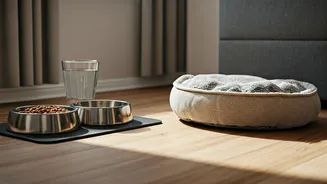
Legacy pet products were built for function and often sold in big-box pet stores. They were clunky, covered in paw-print patterns, and made of primary-colored plastic. Modern startups like Fable Pets, Wild One, and The Foggy Dog realized that to access the modern consumer’s wallet, they first had to appeal to their sense of style. Their products are designed to blend seamlessly into a curated home. A dog crate looks like a chic piece of Scandinavian furniture. A leash-and-harness set comes in the same muted, on-trend colors as a direct-to-consumer clothing brand. By prioritizing aesthetics, these brands aren't just selling a dog bed; they're selling an accessory for your home. This makes them a perfect fit for lifestyle trade shows, where the primary buyers are boutique owners and interior designers looking for beautiful objects, regardless of whether they’re for a human or a pet.
The Wellness Wave Extends to Paws
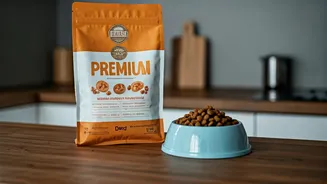
The human wellness industry is a multi-trillion-dollar behemoth, and pet startups are drafting in its wake. The same trends that dominate our own lives—clean ingredients, mental health support, sustainable materials, and preventative care—are now being applied to our pets. This is why trade show booths are filled not just with stylish collars, but with probiotic powders, calming CBD chews, and subscription boxes for vet-formulated, fresh-cooked meals. These companies speak the language of modern wellness, using terms like “holistic,” “human-grade,” and “ethically sourced.” They are tapping into a consumer who is already conditioned to believe that investing in high-quality, specialized products leads to a better, longer life. When that belief system is already in place, extending it to a beloved pet feels natural, not indulgent.
The Savvy Retail and Social Media Strategy
Dominating a lifestyle trade show isn't just about making B2B sales to West Elm or a small-town boutique. It’s a powerful marketing play. For these startups, being accepted into a curated show like Shoppe Object or NY NOW lends them instant credibility and brand validation. It signals that they are a design-led brand, not just another pet company. This placement generates press and, crucially, social media content. Retail buyers and influencers roam these shows, posting their favorite finds. A well-designed booth becomes a backdrop for hundreds of Instagram stories, effectively serving as free advertising. Getting their minimalist leash set placed in a high-end concept store allows them to reach their target customer in an environment she already trusts, sidestepping the crowded and price-sensitive aisles of a traditional pet superstore. It's a flywheel: the trade show placement leads to better retail partners, which leads to more social proof, which strengthens the brand and justifies the premium price.