



What Exactly Is Well Jumping?
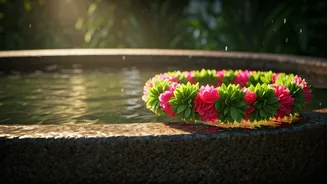
When you picture a festival, you probably think of music, food, and parades. You likely don’t picture scores of people, often wearing vibrant floral crowns, leaping with abandon into neighborhood wells, ponds, and streams. Yet, that’s the centerpiece
of São João, an annual festival celebrated with particular fervor in Goa, India. Held in late June, the festival honors the birth of St. John the Baptist. The jumping is a symbolic reenactment of the saint, who is said to have leaped with joy in his mother Elizabeth’s womb when she was visited by a pregnant Mary. Far from a somber religious rite, São João is a boisterous, water-logged party. Revelers, fueled by festive spirit and local fruit liquor, go from well to well, singing, dancing, and taking the plunge. It’s an expression of community, faith, and pure, unadulterated fun.
A Celebration Tinged with Obvious Risk
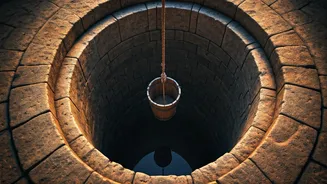
The thrill of the leap, however, comes with a host of dangers that are impossible to ignore. The festival takes place during the monsoon season, when wells are swollen with rainwater. This makes the water deep and often turbulent, dramatically increasing the risk of drowning, even for strong swimmers. Revelers are often in high spirits, and alcohol consumption can impair judgment and physical coordination, a dangerous combination when dealing with deep water. Beyond drowning, the physical act of jumping is fraught with peril. A misjudged leap can lead to severe injury from striking the hard stone or brick walls of the well on the way down. Furthermore, what lies beneath the murky surface is a total unknown. Submerged rocks, discarded debris, or simply a shallower-than-expected depth can lead to broken bones, spinal injuries, or other forms of blunt force trauma. Every leap is a gamble against unseen hazards.
The Hidden Dangers Below the Surface
The risks aren’t just physical and immediate. The water itself can pose a significant public health threat. These aren't chlorinated swimming pools; they are often local wells or natural water bodies that may be contaminated with agricultural runoff, animal waste, or sewage. Immersing oneself and inevitably swallowing some of this water can expose participants to a range of waterborne diseases. Illnesses like gastroenteritis, cholera, typhoid, and leptospirosis are serious concerns in these environments. While the festival is a day of joy, the consequences of a single gulp of contaminated water can manifest days later, leading to severe illness that requires medical intervention. For communities with limited access to immediate healthcare, this adds another layer of serious, often overlooked, risk to the celebration.
Why Constant Vigilance Is Key
The headline’s mention of “daily” precautions might seem confusing for an annual festival, but it speaks to a deeper truth: ensuring safety for such a high-risk event isn’t a one-day affair. For local authorities, police, and community leaders in places like Goa, the planning is a near-constant process. It involves pre-festival awareness campaigns, urging moderation and caution. Authorities often identify and sometimes even ban jumping in particularly dangerous or dilapidated wells. During the event, emergency services are put on high alert, with disaster management teams and lifeguards strategically stationed in areas with high concentrations of revelers. This vigilance is a year-round conversation about balancing cherished tradition with non-negotiable safety. It’s a daily challenge for community leaders to educate the younger generation and remind seasoned participants that the spirit of the festival can only be preserved if its participants are.