

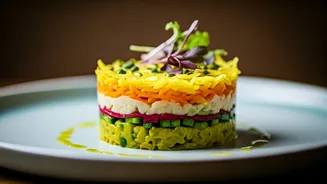
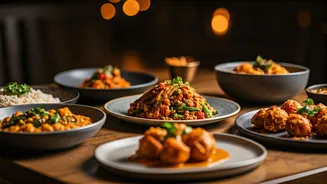


Meet the Bean of the Hour
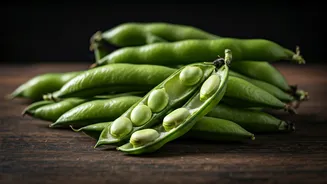
If you’ve only encountered fava beans in the context of Italian pasta or Middle Eastern ful medames, their appearance in a bowl of sabzi or dal might seem surprising. But one taste explains the appeal. Fresh fava beans, also known as broad beans, have
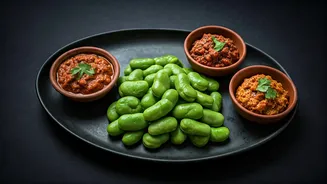
a uniquely sweet, nutty, and slightly buttery flavor with a creamy texture that sets them apart from other legumes. Their most striking feature, however, is their brilliant, almost electric green color, which pops beautifully against the rich, earthy tones of classic Indian spices like turmeric and cumin. Part of their allure is their ephemeral nature. As a true spring vegetable, their season is short and requires a bit of effort—they must be freed from their large pods and then again from their individual greyish skins after a quick blanch. This process, known as double-shelling, is a bit of a kitchen meditation, but the reward is a tender, jewel-like bean that elevates any dish it joins.
A Familiar Stranger in the Pantry
To say Indian cuisine is “discovering” fava beans is both true and a slight oversimplification. While fresh, young fava beans aren't a pan-Indian staple like dal or potatoes, their tougher, more mature relatives have long had a place in certain regional kitchens. In parts of North India and Pakistan, dried or mature broad beans, known as 'bakla,' are used in rustic, slow-cooked dishes. These preparations are hearty and delicious but possess a different character—more robust and earthy than the delicate profile of the spring fava. The current trend isn't about rediscovering an old recipe for bakla. It's about a new application: taking the fresh, tender fava beans beloved in Western seasonal cooking and integrating them into the Indian culinary framework. It's less a historical revival and more of a creative, cross-cultural fusion happening in real-time, primarily driven by Indian-American chefs and home cooks.
The Perfect Storm for a Food Trend
So why now? Several factors have created a perfect storm for the fava bean’s ascent in the modern Indian kitchen. First, there's the growing influence of the farm-to-table movement on diaspora cooking. As second- and third-generation Indian-Americans connect with local food systems, they are naturally incorporating seasonal produce from their local farmers' markets into the flavors of their heritage. The fava bean is a perfect candidate: a spring star in the U.S. that pairs beautifully with Indian spices. Second is the undeniable influence of social media. In a world of food influencers, visuals are everything. The fava bean’s vibrant green is pure Instagram gold, providing a stunning visual contrast that makes dishes look as good as they taste. Finally, it reflects the creative evolution of Indian food itself. Chefs and bloggers are constantly pushing boundaries, seeking new textures and flavors to innovate within traditional formats. The fava bean offers a novel ingredient that feels both excitingly new and comfortingly familiar.
How to Bring the Trend Home
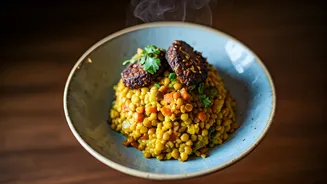
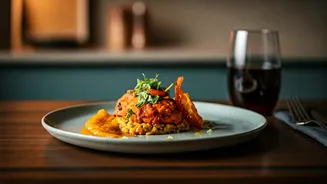
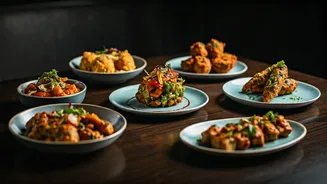
The beauty of this trend is its versatility. Fava beans are being used in wonderfully inventive ways. You might see them blitzed into a creamy, spiced dip served with naan, much like a South Asian take on hummus. Others are stirring them into light, fragrant versions of upma or poha for a protein-boosted breakfast. They are a natural fit for sabzis—lightly stir-fried vegetable dishes—where they can be paired with potatoes, paneer, or other spring vegetables like asparagus and peas. They also add a wonderful bite and sweetness to modern Indian salads and grain bowls, tossed with quinoa, chaat masala, and a lemon-tamarind vinaigrette. Their creamy texture even works when lightly mashed and folded into dals, adding body and a subtle sweetness that balances the earthy lentils. The key is to add them near the end of cooking to preserve their delicate flavor and bright color.