






Make the Carrier a Safe Haven
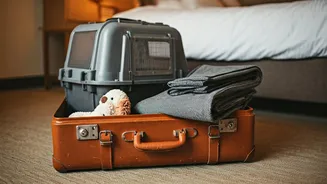
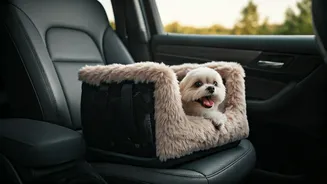
The travel carrier shouldn't be a cage; it should be a mobile den. Whether you're traveling by car or plane, the right carrier is non-negotiable. For air travel, ensure it meets airline-specific requirements for size and ventilation. For car trips, a secured
crate or a pet seatbelt harness is essential for safety. The key is to make it a positive space long before you leave. Leave the carrier out in your home for days or weeks beforehand with the door open. Place favorite blankets, toys, and the occasional treat inside so your pet begins to associate it with comfort and security, not just trips to the vet.
Practice the Art of the 'Staycation'
A cross-country road trip should not be your pet’s first experience in a carrier or a long car ride. Desensitization is your best friend. Start with short trips around the block, gradually increasing the duration. Reward your pet with praise or a special treat upon returning home. This process, known as conditioning, helps break the negative association some pets have with travel. They learn that getting in the car doesn't always end in a stressful situation and that they will, eventually, end up back in their familiar home environment. This gradual exposure can dramatically reduce anxiety when the real travel day arrives.
Pack a Pet-Specific Go-Bag
You have your suitcase, and your pet needs one, too. A dedicated bag with all their essentials prevents last-minute stress and ensures you have what you need on hand. This bag should include more than just food. Pack enough of their regular food for the entire trip (plus a little extra), a portable water bowl, any necessary medications, and copies of their vaccination records. Also include a favorite toy, a grooming brush, waste bags, and cleaning supplies for any accidents. Having everything in one place makes pit stops and hotel check-ins seamless.
Keep Their Routine Consistent
Pets, especially dogs, are creatures of habit. While travel inherently disrupts their routine, you can minimize the stress by maintaining consistency where possible. Try to stick to their regular feeding times and walk schedules. If your dog is used to a 7 a.m. breakfast and a walk, try to honor that, even if it means waking up a bit earlier in the hotel. This predictability provides a sense of normalcy in an otherwise unfamiliar environment, helping to ground them and reduce feelings of unease or confusion.
Address Anxiety Proactively
For some pets, no amount of conditioning can completely eliminate travel anxiety. In these cases, it's important to be proactive. Pheromone sprays (like Feliway for cats or Adaptil for dogs) can be spritzed in their carrier to mimic natural calming signals. Anti-anxiety wraps or “thunder shirts” apply gentle, constant pressure, which can have a soothing effect. For more severe cases, consult your veterinarian. They can assess whether a prescription anti-anxiety medication or a natural calming supplement might be appropriate for your pet’s specific needs and health profile. Never give your pet medication without a vet’s guidance.
Plan for Pet-Friendly Pit Stops
Long stretches in a car are tough on anyone, but they're especially hard on a pet confined to a small space. Plan your route with your pet in mind. Look for rest stops with grassy areas where they can safely stretch their legs, get a drink of water, and relieve themselves. A short 15-minute break every two to three hours can make a world of difference in their comfort and mood. It also gives you a chance to check in on them, offer reassurance, and ensure they are traveling well before getting back on the road.